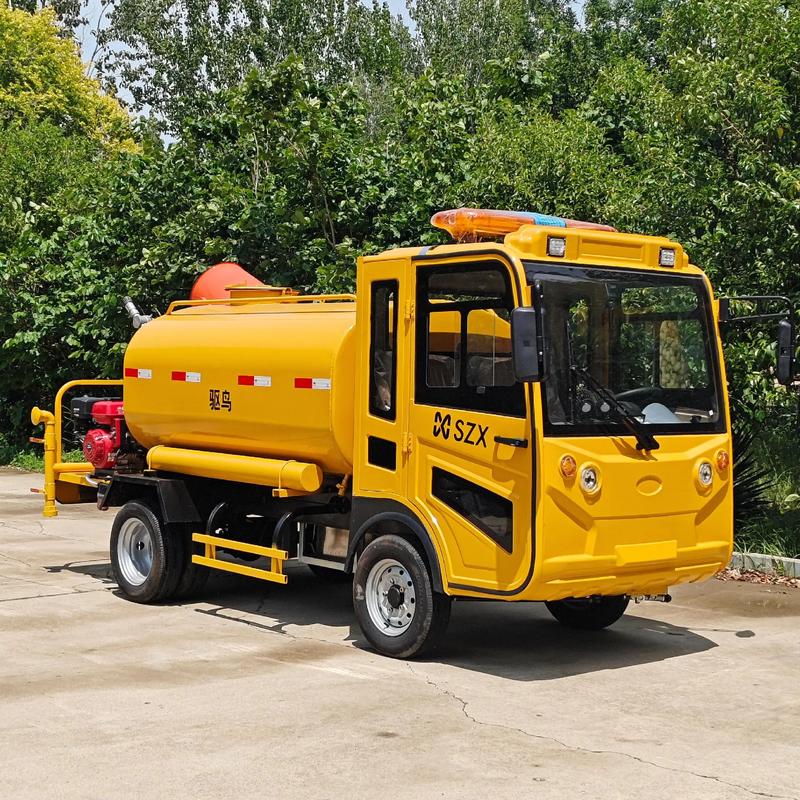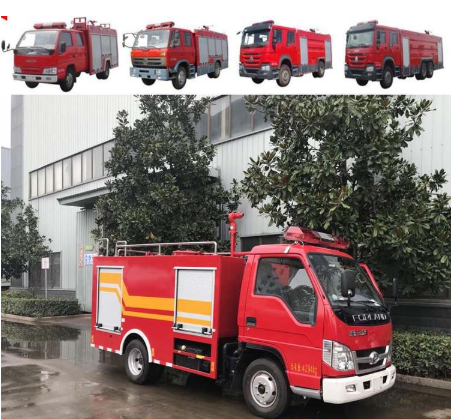

Community mini fire station dedicated mini fire truck small water tank foam fire fighting rescue vehicle
Category:
Transportation/Special Purpose Vehicles/Fire truck
Model:
bj
Brand:
Futian
Overall vehicle dimensions:
≤5000×1800×2200mm
Water tank capacity:
0.5-2.0m³
Fire pump flow rate:
≥30L/s
Fire pump pressure:
≥1.0MPa
Rated capacity:
2-4 people
Chassis type:
Lightweight Class II chassis
range:
≥30m
Maximum speed:
≥90km/h
Retail Price
10,000,000.00USD
重量
kg
- Product Description
-
Overall vehicle dimensions ≤5000×1800×2200mm
Water tank capacity 0.5-2.0m³
Fire pump flow rate ≥30L/s
Fire pump pressure ≥1.0MPa
Rated capacity 2-4 people
Chassis type Lightweight Class II chassis
range ≥30m
Maximum speed ≥90km/h
Description :
Mini fire trucks are emergency rescue vehicles designed specifically for narrow streets, old residential areas, and community microcirculatory roads. It solves the pain point of large fire trucks being unable to enter complex road conditions such as alleys and lanes, and can quickly arrive at the scene for firefighting in the early stages of a fire. This model is usually modified based on a lightweight chassis and has the characteristics of maneuverability, small turning radius, and strong passability. Typical working conditions include daily patrols in urban communities, fire inspections in towns and rural areas, and internal emergency response in key units. It is the core equipment for building a "five minute fire rescue circle".
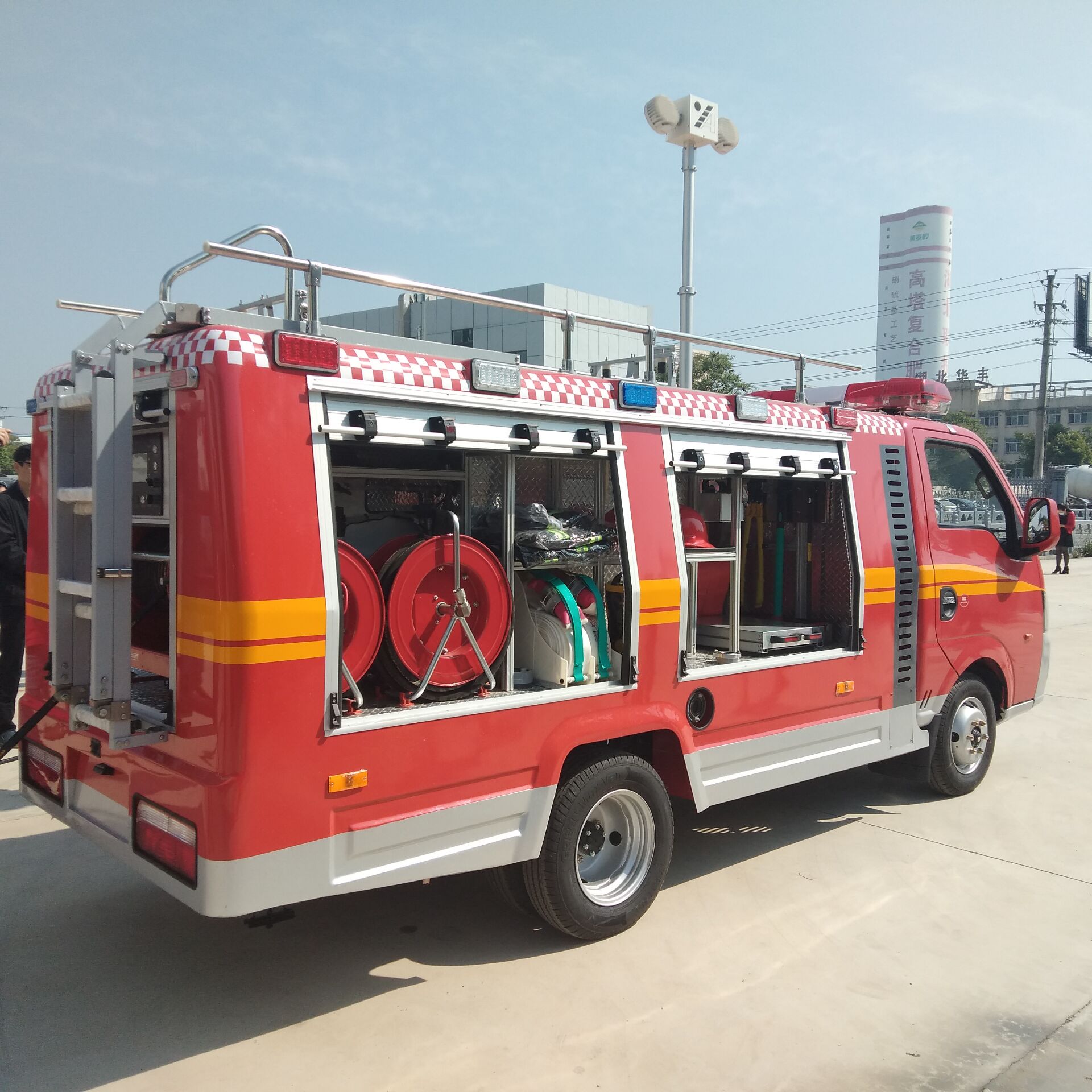
The common total weight of this type of mini fire truck is between 2 tons and 4.5 tons, with a body length usually controlled within 5 meters and a width not exceeding 1.8 meters to ensure smooth passage through the limited width door. The tank body is mostly made of high-quality carbon steel or 304 stainless steel, and the capacity is generally between 0.5 tons and 2 tons. Some models are equipped with Class A foam proportional mixing system. The vehicle is equipped with fire pumps, water cannons, water hose reels, and a basic dismantling tool cabinet. The execution standard complies with GB 7956.1 "Fire Trucks Part 1: General Technical Conditions" and GA related industry standards. Before leaving the factory, it must undergo strict pressure resistance testing, sealing testing, and road driving stability testing to ensure reliability under emergency conditions.
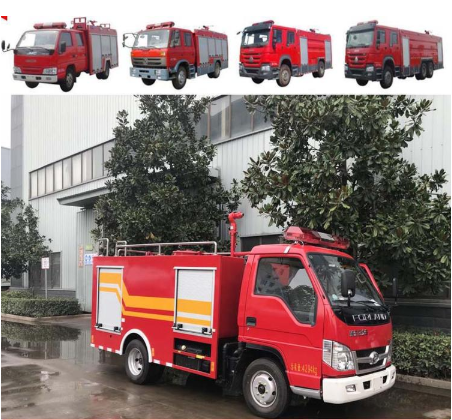
When selecting, it is necessary to determine based on the actual width of the roads in the jurisdiction and the distribution of water sources. If the community road is extremely narrow and there are no fire hydrants, it is recommended to choose a model with a built-in large capacity water tank (1.5 tons or more) and water absorption function; If the surrounding water sources are sufficient, lightweight and equipment carrying models can be chosen. Compared with large water tank fire trucks, mini fire trucks sacrifice their continuous water supply capacity in exchange for extremely high timeliness; Compared with hand-held mobile pumps, it has the ability to transport personnel and spray more diverse fire extinguishing media. Not suitable for extinguishing high-rise building fires or large-scale petrochemical fires, it is mainly positioned as an initial control force for "early, small, and late" operations.
In terms of installation and maintenance, drivers need to be familiar with changes in the vehicle's center of gravity to avoid rollover caused by sharp turns at high speeds. It is necessary to regularly check whether the water intake device of the fire pump is normal in daily life. In cold winter areas, the remaining water in the pump and tank must be drained to prevent freezing and cracking. It is recommended to start the engine once a week and test run the water pump to ensure that the oil circuit is unobstructed. Common faults include aging and leakage of the water pump sealing ring, failure to attach the power take-off, etc. Regular lubrication of the transmission shaft cross joint is required. The battery needs to be kept fully charged to ensure that the warning lights and alarms are always available. When parked for a long time, the vehicle should be moved regularly to prevent tire deformation and brake system rust, and to keep the entire vehicle in a state of readiness.
AfterSalesService :
Key words:
More Products