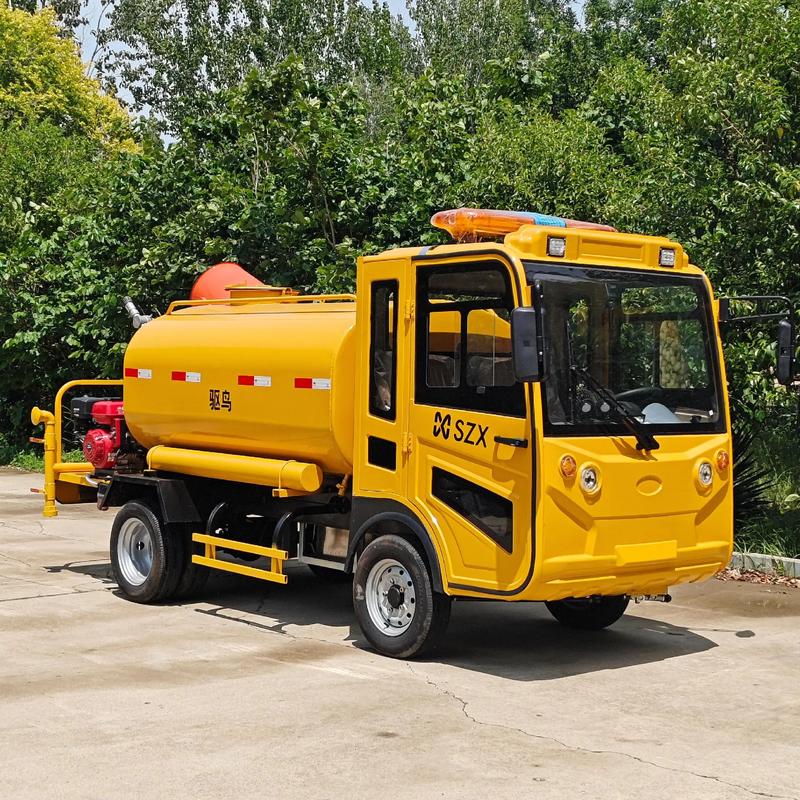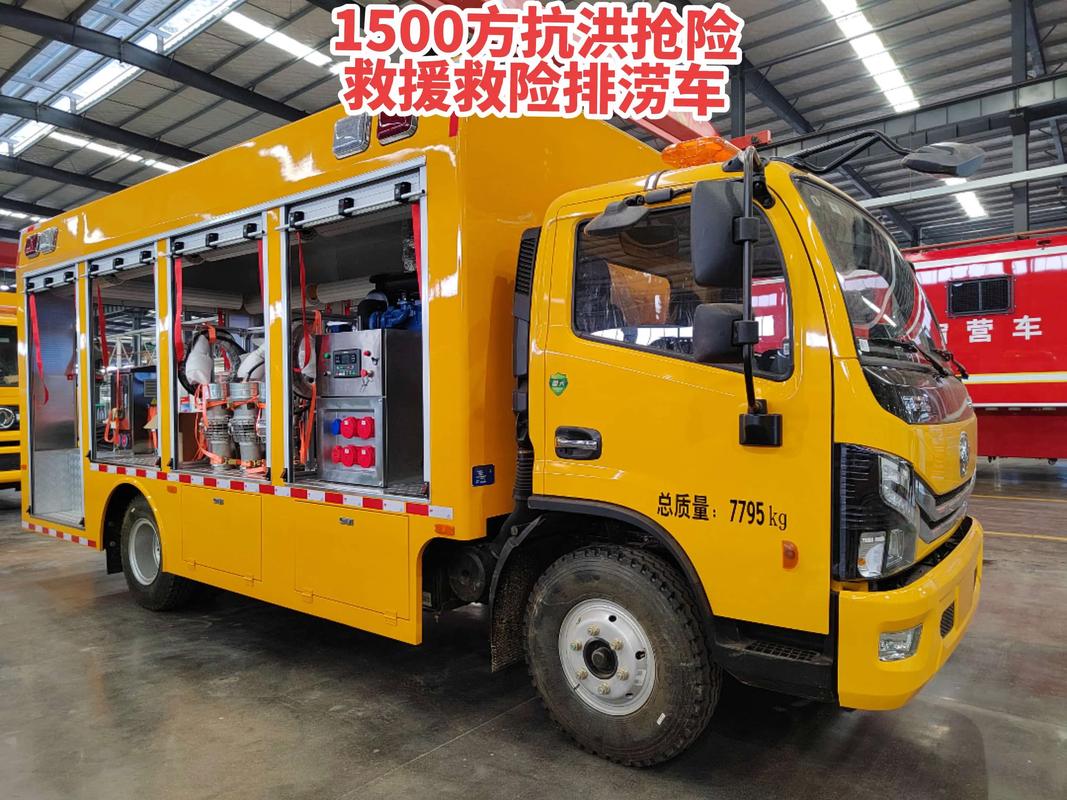

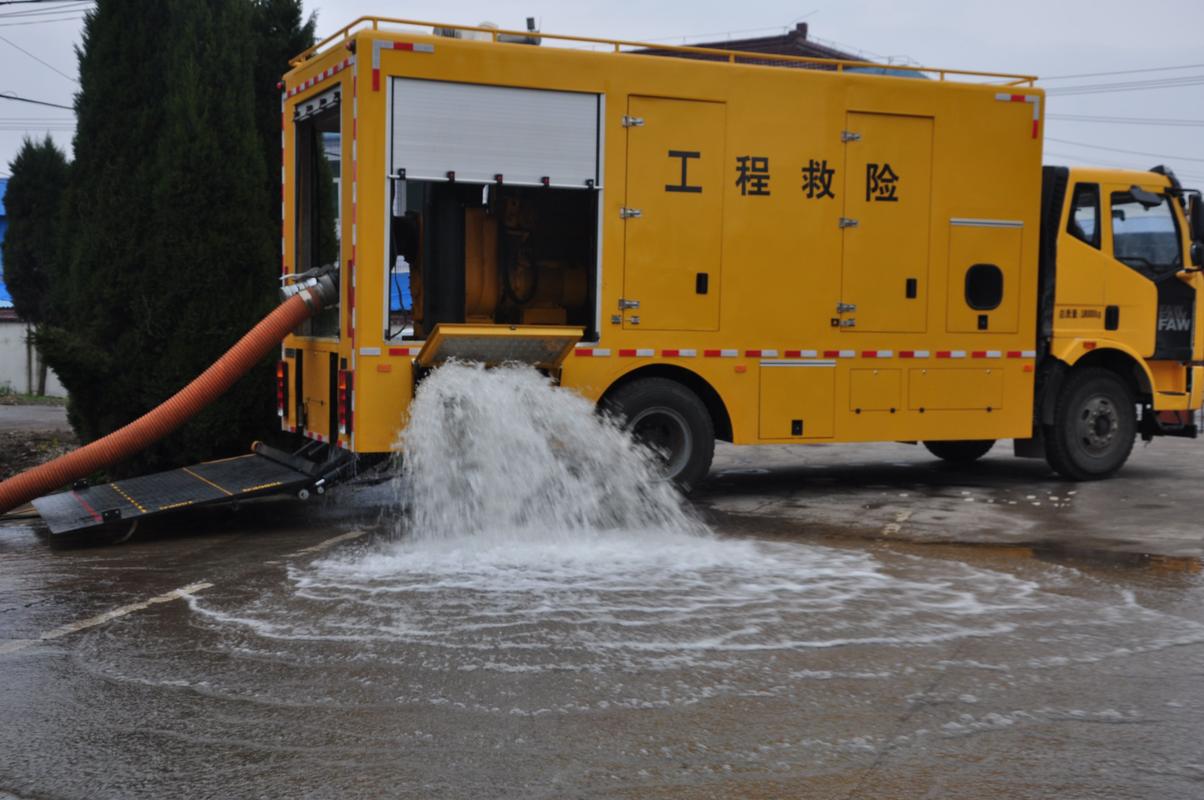
Large flow drainage rescue vehicle, mobile drainage pump truck, emergency flood control pumping equipment
Category:
Special Purpose Vehicles/Engineering Vehicle Special Purpose Vehicle/Engineering rescue vehicle
Model:
Drainage vehicle
Brand:
Datoin
Maximum drainage flow rate:
500-3000 m³/h
Head range:
10-30 m
Power source:
Vehicle mounted diesel engine
Chassis type:
Specialized commercial truck chassis
Operation method:
Local control/remote control
Applicable Medium:
Clear water/wastewater with a small amount of impurities
noise level:
≤ 75 dB (A) (silent type)
Continuous working hours:
≥24 h
Retail Price
10,000,000.00USD
重量
kg
- Product Description
-
Maximum drainage flow rate 500-3000 m³/h
Head range 10-30 m
Power source Vehicle mounted diesel engine
Chassis type Specialized commercial truck chassis
Operation method Local control/remote control
Applicable Medium Clear water/wastewater with a small amount of impurities
noise level ≤ 75 dB (A) (silent type)
Continuous working hours ≥24 h
Description :
The high flow drainage emergency vehicle is an emergency drainage equipment designed specifically for urban waterlogging, tunnel waterlogging, and sudden floods. This model integrates a high-performance water pump system and a dedicated chassis, aiming to solve the pain points of poor mobility and slow deployment speed of traditional drainage equipment. By directly driving high-power submersible pumps or self-priming pumps through vehicle mounted power, the rapid drainage capacity of hundreds to thousands of cubic meters per hour can be achieved. Typical working conditions include street ponding cleaning after rainstorm, emergency evacuation of underground space and river dike rescue. As a mobile drainage solution, the drainage rescue vehicle can operate independently in environments with power outages or lack of external power, ensuring the rapid lowering of water levels during the golden rescue time, safeguarding people's lives and property safety, and restoring normal urban traffic operation.
The core specifications of the drainage rescue vehicle depend on the type of water pump it is equipped with and the load-bearing capacity of the chassis. Common configurations include diesel direct drive pump sets or hydraulic drive pump sets, with a flow range typically between 500m ³/h and 3000m ³/h, and a head that can be selected between 10 meters and 30 meters according to demand. The body structure is welded with high-strength steel and equipped with specialized pump compartment sound insulation and noise reduction treatment to ensure that night work does not disturb the public. The execution standards comply with the general technical conditions for special vehicles and relevant modification specifications for fire trucks. The bottom of the vehicle is equipped with stable support legs to prevent the body from shifting due to the reaction force caused by high flow pumping. The electrical control system has safety functions such as overload protection and automatic shutdown due to water shortage. Some high-end models are also equipped with remote control panels, allowing operators to monitor the operation status of the drainage emergency vehicle from a safe distance, ensuring operational safety and efficiency.
When selecting, it is important to consider the water level depth, drainage distance, and on-site power supply situation of the work scenario. For deep foundation pits or underground parking garages with accumulated water, high lift drainage rescue vehicles should be selected; For wide road areas with water, priority should be given to high flow and low head configurations. If the work area is sensitive to noise, it is necessary to confirm whether the vehicle is equipped with a silent cabin or a silent water pump. Compared with fixed pump stations, the advantage of drainage rescue vehicles is their mobility and flexibility, as they can quickly enter combat without the need to lay long-distance cables; However, compared with small portable water pumps, its initial investment cost is higher, making it suitable for municipal departments, fire rescue teams, and large industrial and mining enterprises to configure. Pay attention to distinguishing between ordinary sprinkler truck modified vehicles and professional drainage rescue vehicles. The latter has stronger power matching and professional fluid delivery system, and can operate continuously under high load for a long time without overheating or performance degradation.
Daily maintenance is the key to ensuring that the drainage rescue vehicle is always available. After each use, the inside of the pump body must be rinsed with clean water to prevent sediment accumulation and damage to the impeller, and the sealing of the inlet and outlet valves must be checked. Regularly replace diesel engine oil, filter element, and hydraulic oil, especially after working in high temperature or high humidity environments. It is recommended to conduct a no-load test run once a month to check the battery level, starting system, and control panel sensitivity to ensure successful start-up in emergency situations. During winter storage, it is necessary to drain the accumulated water in the pump chamber and pipelines to prevent freezing and cracking of components. Common faults such as insufficient water pressure are often caused by blockage of the inlet or wear of the impeller, and require timely cleaning or replacement of vulnerable parts. Establishing detailed vehicle maintenance records, recording the duration of each attendance and maintenance content, can help extend the service life of drainage rescue vehicles and maintain optimal combat readiness.
AfterSalesService :
Key words:
More Products