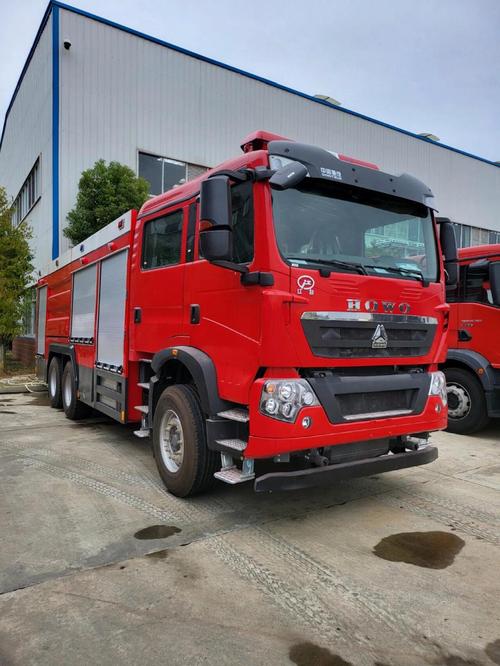

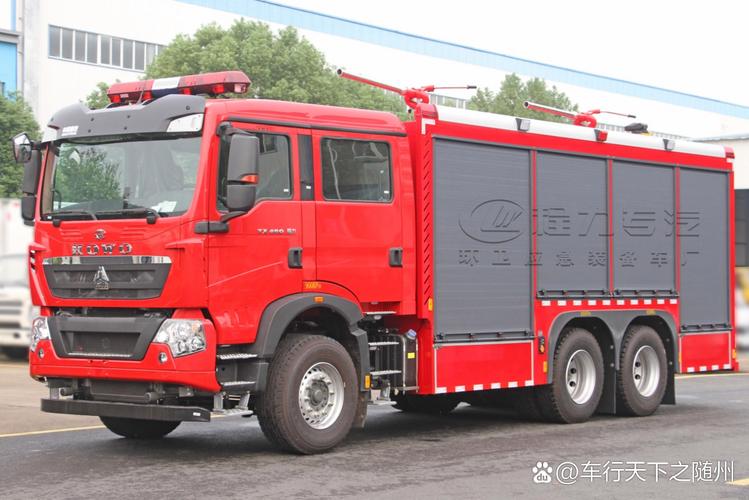
Dry powder fire truck efficient firefighting and rescue specialized vehicle equipment
Category:
Transportation/Special Purpose Vehicles/Fire truck
Model:
zz
Brand:
zz
Chassis type:
Second class commercial vehicle chassis
Dry powder tank capacity:
2000-8000L
work pressure:
1.0-1.5MPa
Spray method:
DC/spray adjustable
Drive gas:
Nitrogen/Carbon Dioxide
Applicable fire types:
Class B/C/E fire
Body material:
High quality carbon steel anti-corrosion treatment
Execution Standard:
GB7956
Retail Price
10,000,000.00USD
重量
kg
- Product Description
-
Chassis type Second class commercial vehicle chassis
Dry powder tank capacity 2000-8000L
work pressure 1.0-1.5MPa
Spray method DC/spray adjustable
Drive gas Nitrogen/Carbon Dioxide
Applicable fire types Class B/C/E fire
Body material High quality carbon steel anti-corrosion treatment
Execution Standard GB7956
Description :
A dry powder fire truck is a specialized firefighting vehicle designed to extinguish fires involving flammable liquids, gases, and electrical equipment. This model stores a large amount of dry powder fire extinguishing agent in a vehicle mounted dry powder tank, and uses nitrogen or carbon dioxide as the driving gas to spray the dry powder into the fire source area, quickly suppressing the combustion chain reaction and achieving the goal of rapid fire extinguishing. Dry powder fire trucks are widely used in high-risk areas such as petrochemicals, oil depots, gas stations, airports, and large warehouses. They are key rescue equipment for dealing with large-scale flowing fires and gas leakage fires, effectively ensuring the safety of life and property and reducing disaster losses.
This dry powder fire truck usually consists of a second-class vehicle chassis, dry powder tank, power gas cylinder group, pipeline system, spray gun, and control panel. The body structure is welded with high-quality steel and treated with anti-corrosion and rust prevention to adapt to harsh working environments. The common specifications for the capacity of dry powder tanks include 2 tons, 4 tons, 6 tons, 8 tons, etc. The working pressure is generally maintained between 1.0-1.5 MPa to ensure a long spraying distance and wide coverage area. The vehicle is equipped with a high-performance dry powder monitor and a hand-held spray gun, which support DC and spray spray modes to meet different fire demands. The overall design of the vehicle complies with the national standard GB7956 "Fire Performance Requirements and Test Methods for Fire Trucks", and has passed strict quality testing and certification to ensure stable and reliable performance indicators.
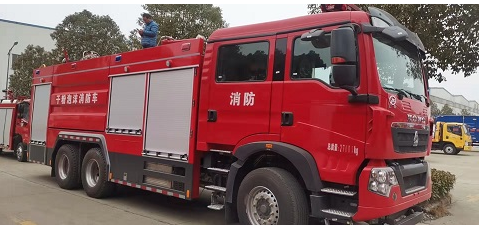
When selecting a dry powder fire truck, the dry powder load capacity and chassis configuration should be determined based on the actual fire type and scale of the protected object. For small gas stations or local facilities, a lightweight chassis with a small capacity dry powder tank can be chosen; For large petrochemical bases or airports, it is recommended to use heavy-duty chassis combined with large capacity storage tanks and multi-channel injection systems. It should be noted that dry powder fire trucks are mainly designed for Class B (liquid) and Class C (gas) fires. If Class A solid deep fire is involved, it is recommended to coordinate with water tank fire trucks for operation. In addition, when making a purchase, attention should be paid to the after-sales service network of the chassis brand and the material and craftsmanship of the upper part to avoid maintenance difficulties caused by geographical restrictions. At the same time, it is necessary to confirm whether the vehicle has the necessary road qualifications and announcement information.
The daily maintenance of dry powder fire trucks is crucial and directly affects their emergency response capabilities. After use, the residual dry powder in the spray gun and pipeline should be cleaned in a timely manner to prevent clumping and blockage. The fire extinguishing agent in the dry powder tank should be checked regularly for moisture and clumping. It is recommended to sun dry or replace it every six months. The pressure value of the power gas cylinder needs to be regularly checked to ensure that it is within the rated working pressure range. Valves and sealing rings should be replaced annually to prevent aging and leakage. The chassis of the vehicle needs to be inspected and maintained for oil, filter elements, and brake systems in accordance with automotive maintenance standards. During long-term parking, the vehicle should be parked in a dry and ventilated area, and the engine should be preheated regularly to maintain sufficient battery power, ensuring that it can be immediately started and put into firefighting and rescue work in emergency situations.
AfterSalesService :
全国联保Key words:
More Products