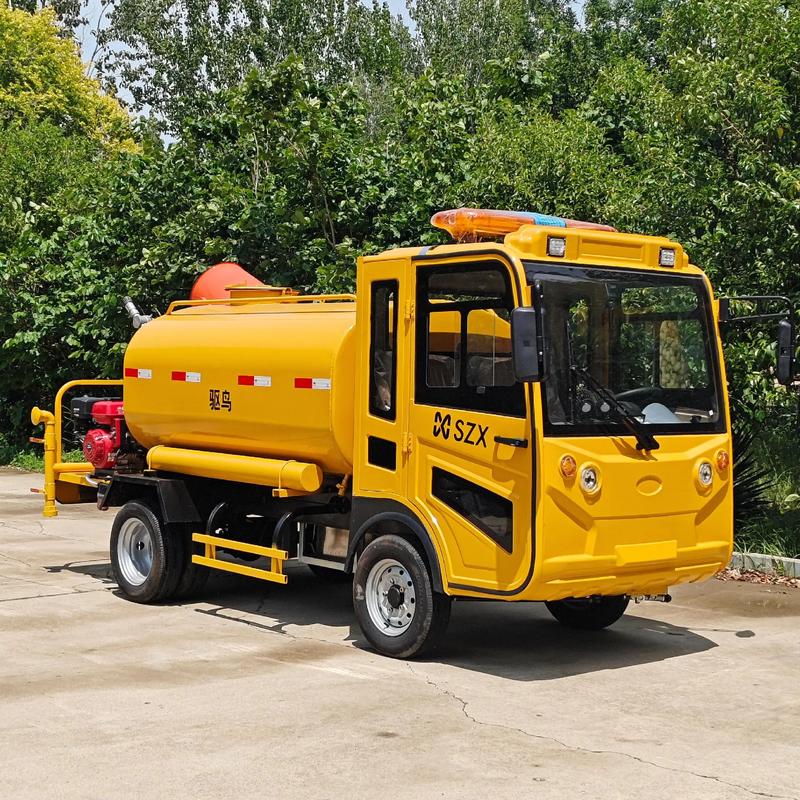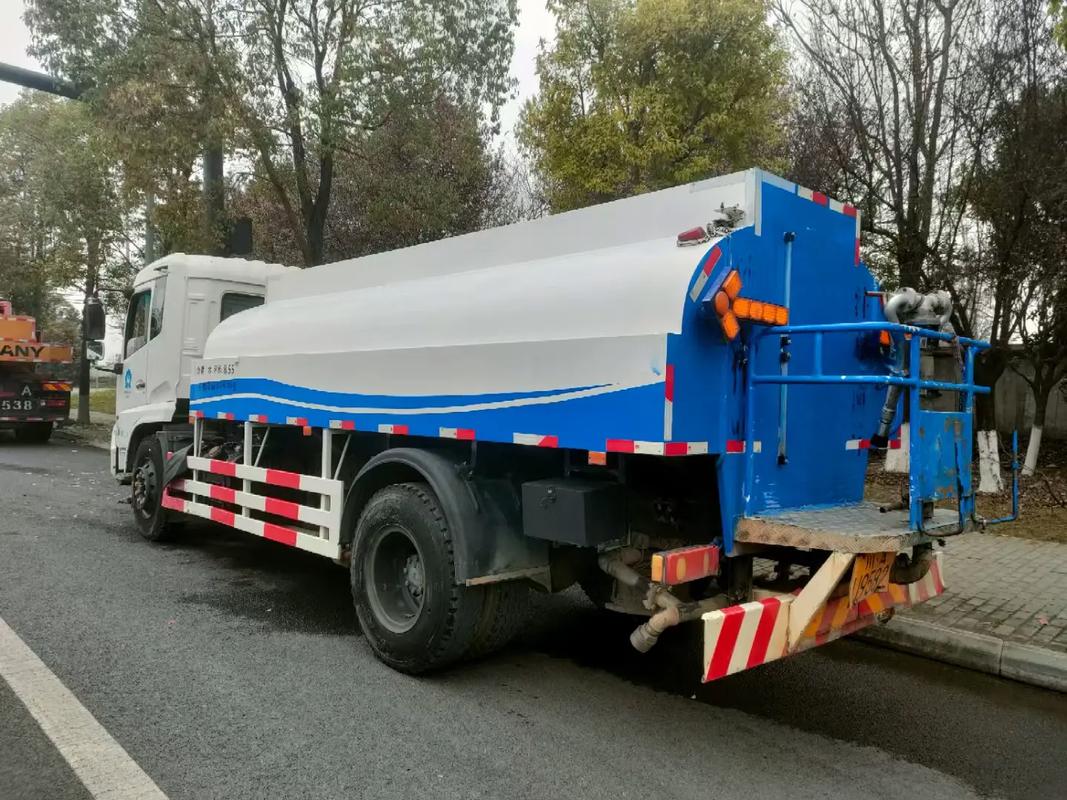

Small and medium-sized water tank trucks are specialized vehicles for municipal greening, watering, and environmental sanitation operations
Category:
Special Purpose Vehicles/Tank type specialized vehicles/Water tank truck
Model:
eq
Brand:
Water tanker truck
Tank material:
Q235 carbon steel/stainless steel
Tank volume:
2-12 cubic meters
Pump model:
65QZ-40/50N
Watering width:
≥ 14 meters
Homework pressure:
0.4-0.6MPa
Chassis brand:
Dongfeng/Futian/Liberation
emission standard:
China VI
Function Configuration:
Forward charge, rear spray/side spray/anti-aircraft gun
Retail Price
10,000,000.00USD
重量
kg
- Product Description
-
Tank material Q235 carbon steel/stainless steel
Tank volume 2-12 cubic meters
Pump model 65QZ-40/50N
Watering width ≥ 14 meters
Homework pressure 0.4-0.6MPa
Chassis brand Dongfeng/Futian/Liberation
emission standard China VI
Function Configuration Forward charge, rear spray/side spray/anti-aircraft gun
Description :
Small and medium-sized water tankers are specialized vehicles used for urban road washing, landscaping irrigation, and dust reduction on construction sites. This model is mainly designed to meet the needs of rapid water replenishment and cleaning in large areas, and is suitable for typical working conditions such as municipal sanitation, community property management, construction sites, and agricultural and forestry irrigation. As a common sanitation equipment, water tankers use a vehicle mounted water pump system to pressurize and transport the water stored in the tank to the front and rear nozzles or high-pressure water cannons, achieving efficient operation. Its compact design and small turning radius make it particularly suitable for flexible operation on narrow streets or complex road conditions, and it is one of the infrastructure for improving the quality of urban environmental sanitation.
The water tanker is usually made of high-quality carbon steel or stainless steel for the tank body, which has strong corrosion resistance and compression resistance, ensuring that it is not easily rusted or deformed when in long-term contact with water bodies. The interior of the tank is treated with anti wave plates, effectively reducing the impact of liquid shaking on the stability of the chassis during vehicle operation. The vehicle chassis is mostly selected from mainstream brands such as Dongfeng and Foton, with strong power and maintenance outlets throughout the country. The tank capacity is generally between 2 cubic meters and 12 cubic meters, and the specific specifications depend on the wheelbase and chassis load-bearing capacity. The entire vehicle complies with the national standard GB 7258 Technical Conditions for Motor Vehicle Operation Safety, and is equipped with overflow valves, drain valves, and liquid level gauges to ensure safe operation and accurate water monitoring.
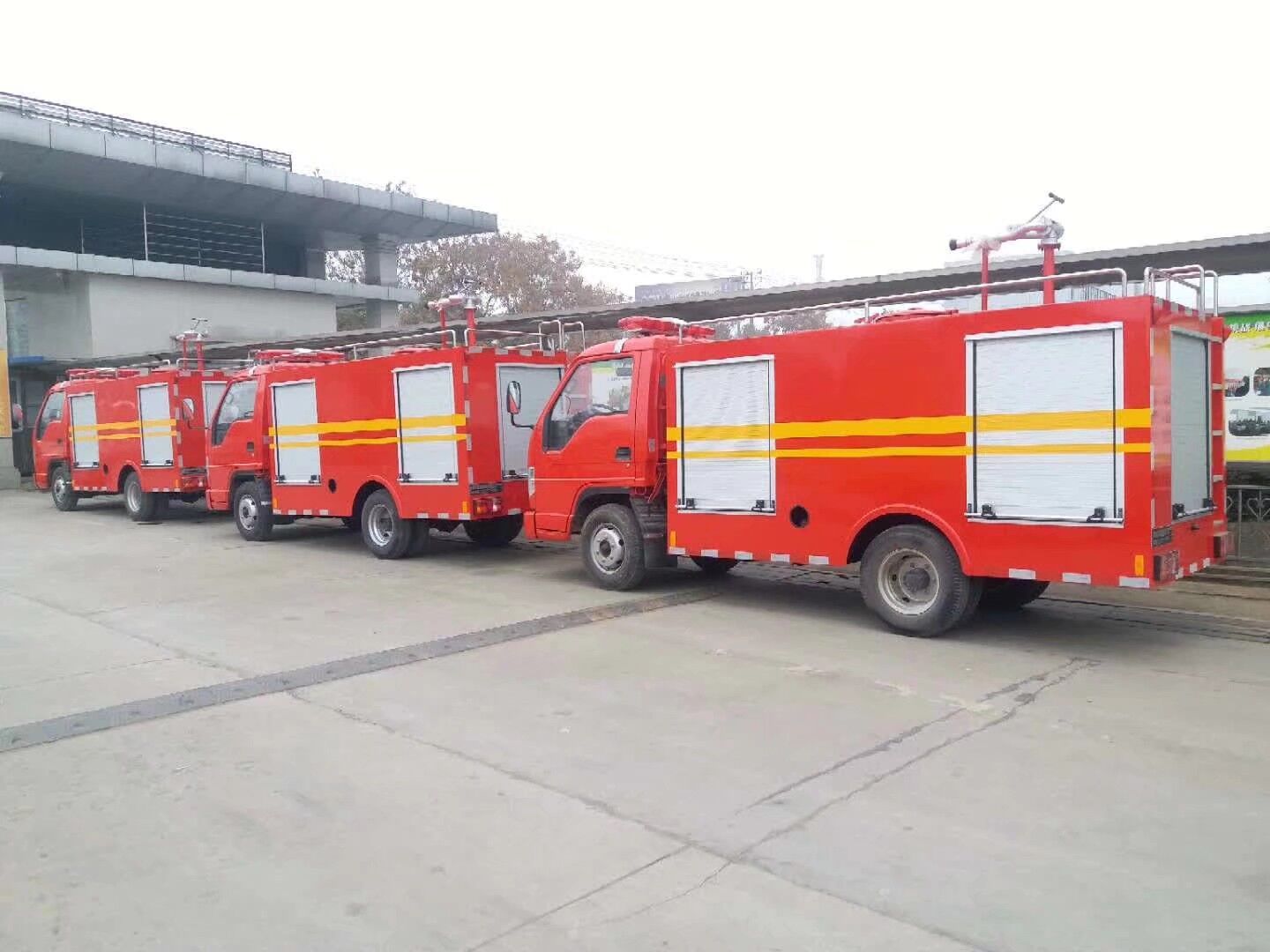
When selecting, the volume and functional configuration of the water tank truck should be determined based on the actual operating scenario. If it is mainly used for watering inside residential areas or narrow alleys, it is recommended to choose small car models with a capacity of 3-5 cubic meters, which are short and flexible in size; If used for flushing urban main roads or long-distance water supply, medium to large-sized vehicles with a capacity of 8 cubic meters or more should be selected and equipped with high-pressure front flushing and rear spraying devices. Attention should be paid to distinguishing the differences between water tank trucks and fire trucks. The former focuses on daily cleaning and greening, while the latter focuses on high-pressure firefighting and rescue. There are essential differences between the two in terms of pump pressure parameters and pipeline design. When purchasing, it should be clear whether it is necessary to install a spray unit or a weeding device to meet the needs of diversified operations.
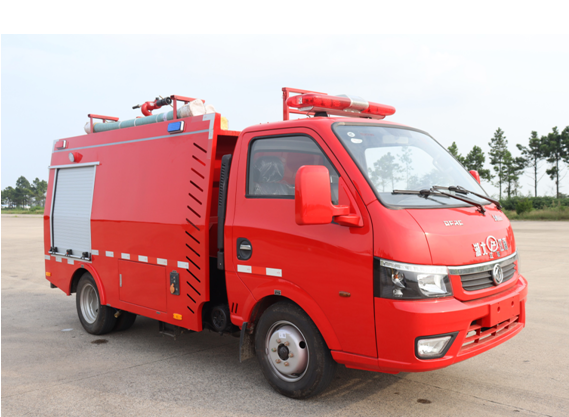
The daily maintenance of water tankers focuses on the maintenance of the water pump system and power take-off. After each homework is completed, the accumulated water in the pump should be drained to prevent the pump body from freezing and cracking in winter or corrosion caused by long-term standing. Regularly inspect the welding seams of the tank for any leakage, clean the filter screen of the suction port to prevent debris from blocking and affecting the water absorption efficiency. Lubricate the power take-off transmission shaft and all grease fittings to ensure smooth power transmission. Common faults include insufficient water pressure, which is often caused by wear of the water pump seal or air leakage in the intake pipeline. It is necessary to replace the sealing gasket or tighten the pipeline joint in a timely manner. Standardized operation and regular maintenance can significantly extend the service life of water tankers and reduce operating and maintenance costs.
AfterSalesService :
Key words:
More Products