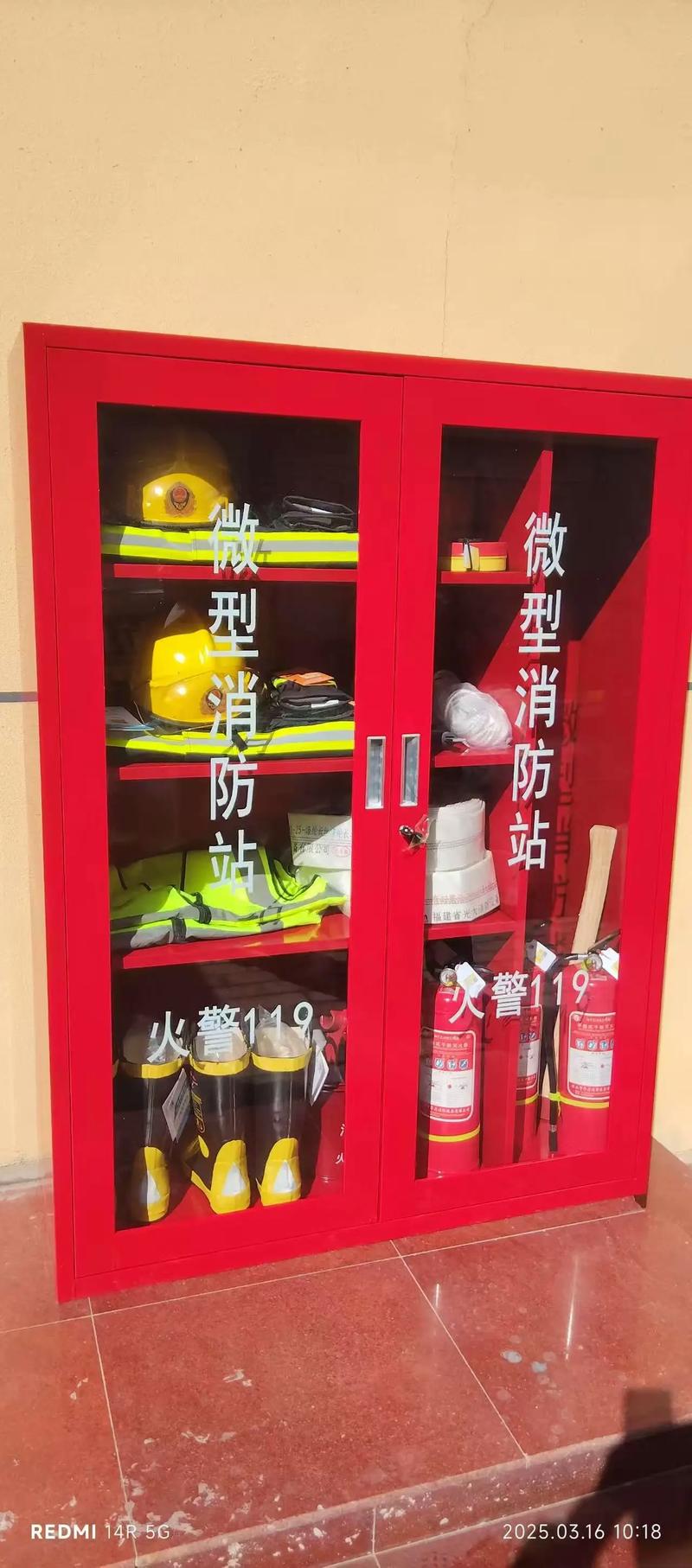

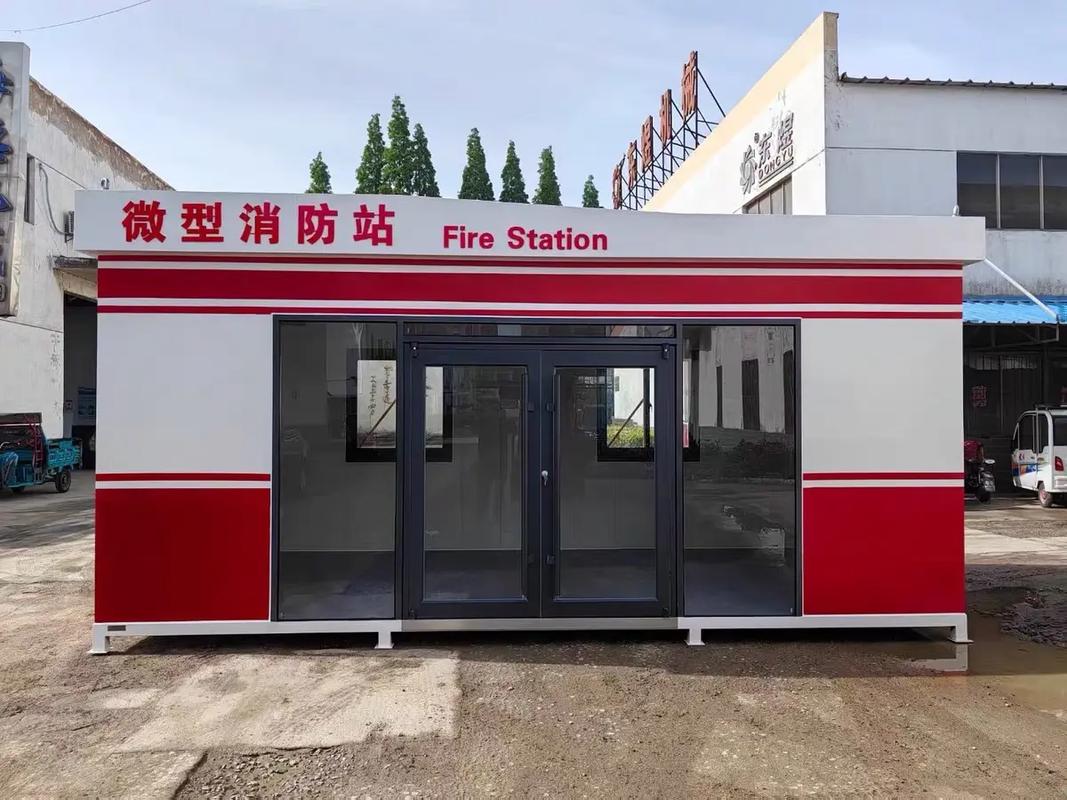
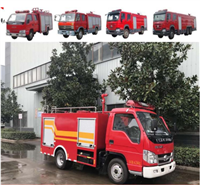
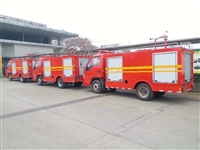
Small and rapid response firefighting and rescue vehicles specifically designed for micro fire stations in rural communities
Category:
Transportation/Special Purpose Vehicles/Fire truck
Model:
bj
Brand:
Small fire truck
Water tank capacity:
0.5-2.0 tons
Pump pressure:
≥1.0 MPa
person capacity :
2-6 people
Chassis type:
Light commercial chassis
Startup method:
Electric start/manual start
range:
≥ 30 meters
Applicable Scenarios:
Township/Community/Narrow Lane
Supporting equipment:
Water hose/water gun/dismantling tool
Retail Price
10,000,000.00USD
重量
kg
- Product Description
-
Water tank capacity 0.5-2.0 tons
Pump pressure ≥1.0 MPa
person capacity 2-6 people
Chassis type Light commercial chassis
Startup method Electric start/manual start
range ≥ 30 meters
Applicable Scenarios Township/Community/Narrow Lane
Supporting equipment Water hose/water gun/dismantling tool
Description :
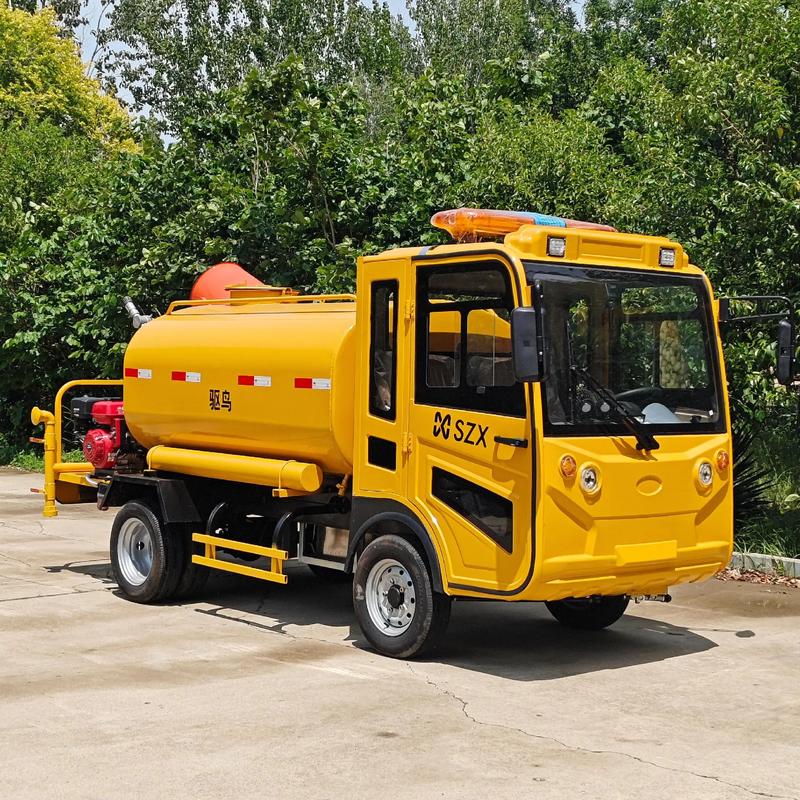
Micro fire trucks are fast response firefighting and rescue vehicles designed specifically for towns, communities, and narrow streets, aiming to solve the pain points of large fire trucks being unable to enter old residential areas, urban villages, and rural roads. This model integrates fire extinguishing, rescue, and publicity functions, which can quickly arrive at the scene to extinguish the fire in the early stages, effectively control the spread of the fire, and protect the safety of residents' lives and property. As the core equipment of micro fire stations in rural communities, it has the characteristics of mobility, flexibility, and easy operation, and is suitable for emergency response in various complex road conditions. It is an important component of the grassroots fire safety system.
This car is usually modified based on a lightweight chassis, with a compact body size and a small turning radius, making it easy to shuttle in narrow alleys. The vehicle is equipped with basic firefighting equipment such as high-pressure water pumps, water tanks (common capacity of 0.5-2 tons), fire hoses, water guns, and demolition tools. Some high-end models are also equipped with fire cannons, lighting systems, and alarms to meet the needs of night work. The vehicle complies with the national standard GB 7956.1 "Fire Trucks Part 1: General Technical Conditions" and relevant modification specifications, and has undergone strict performance testing to ensure stability and reliability under high-pressure water spraying, long-distance driving, and frequent start stop conditions, meeting the daily operational requirements of grassroots fire stations.
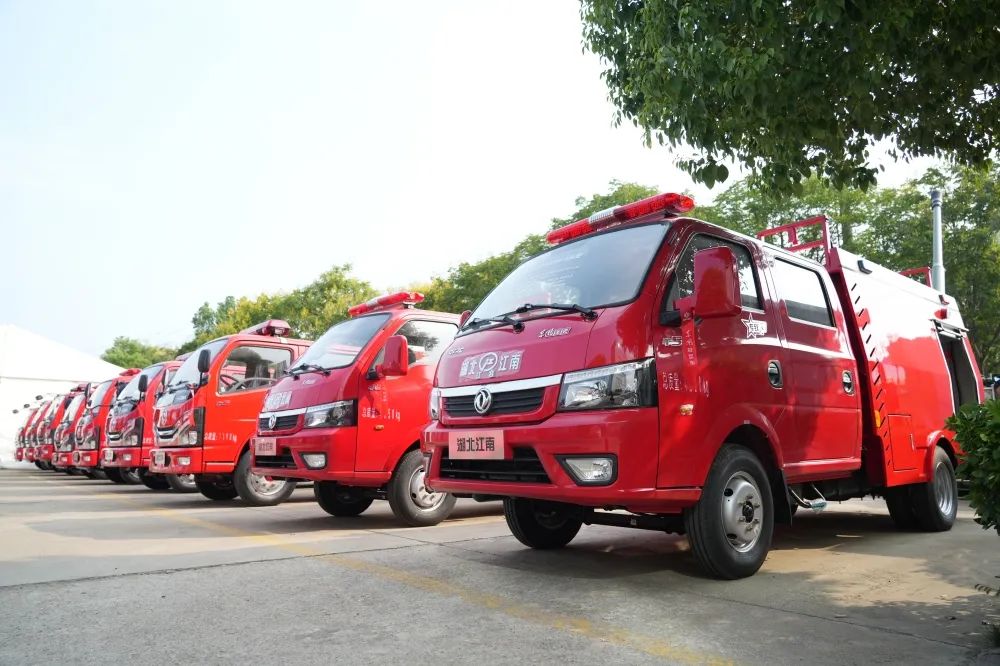
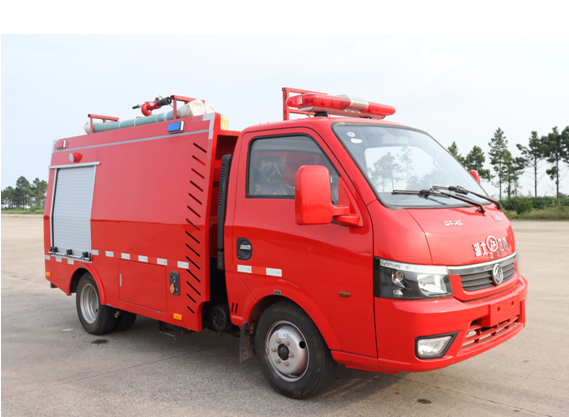
When selecting, it is important to consider the width of the roads in the jurisdiction, the distribution of water sources, and the main types of fires. For old urban areas or rural areas with extremely narrow roads, it is recommended to choose micro car models with shorter wheelbase and stronger passability; If there are many high-rise buildings or flammable materials piled up in the jurisdiction, attention should be paid to whether the pump head and water tank capacity meet the continuous combat needs. Unlike ordinary pickup trucks or light trucks, mini fire trucks have been professionally modified and equipped with independent fire power systems and equipment fixing devices, avoiding equipment damage or inconvenience caused by temporary loading. They are more suitable for regular standby and rapid deployment, and are an ideal choice for building a "one minute rescue circle".
In daily use, it is necessary to regularly check the inlet filter of the water pump to prevent debris from blocking and affecting the water absorption efficiency; Attention should be paid to emptying the remaining water in the pump in cold regions during winter to prevent pipeline freezing and cracking. It is recommended to conduct a weekly engine test and water test to ensure that the engine, power take-off, and water pump are working properly. Vehicle mounted fire extinguishers, water hoses, and other consumables need to be replaced or maintained regularly according to their expiration dates to maintain the equipment's integrity rate. Drivers should be familiar with vehicle performance and equipment operation procedures, regularly participate in fire skills training, ensure proficiency and safety in carrying out firefighting and rescue tasks in emergency situations, and extend the service life of the vehicle.
AfterSalesService :
Key words:
More Products