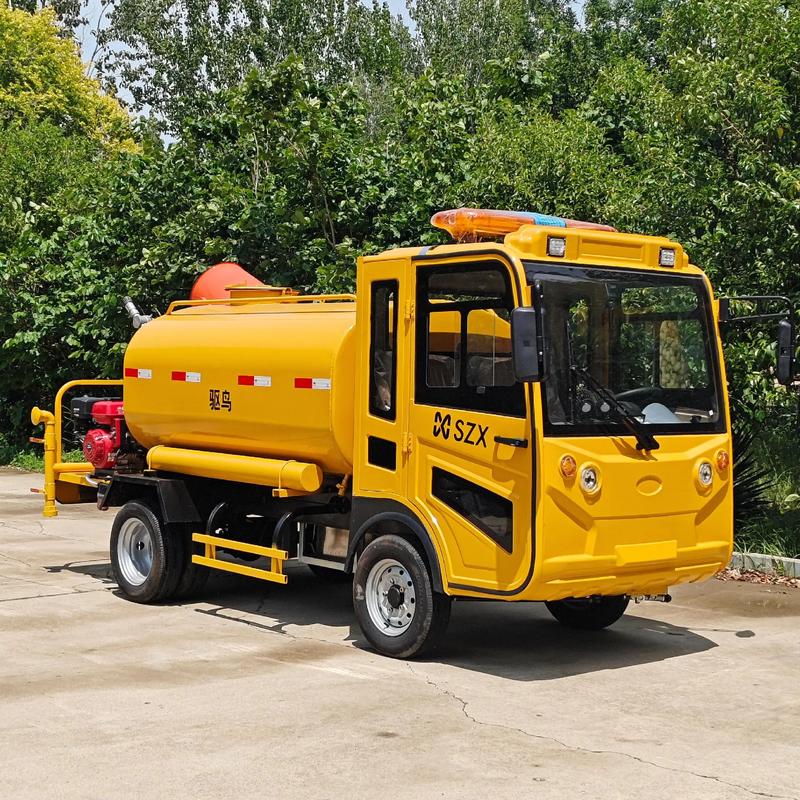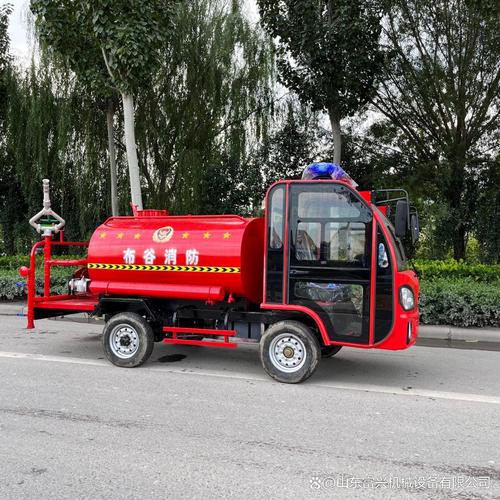

Small, flexible and efficient mini water tank fire truck for township and community use
Category:
Special Purpose Vehicles/Special Purpose Vehicles for Fire Fighting Vehicles/Water tank fire truck
Model:
bj
Brand:
Futian
Water tank capacity:
1.5-3.0 m³
Fire pump type:
Hand lift/vehicle mounted centrifugal pump
rated flow:
20-30 L/s
range:
≥30 m
Chassis type:
Light truck chassis
person capacity :
2-5 people
Overall dimensions:
Length ≤ 6000 mm
Maximum speed:
≥90 km/h
Applicable Scenarios:
Township/Community/Narrow Lane
Retail Price
10,000,000.00USD
重量
kg
- Product Description
-
Water tank capacity 1.5-3.0 m³
Fire pump type Hand lift/vehicle mounted centrifugal pump
rated flow 20-30 L/s
range ≥30 m
Chassis type Light truck chassis
person capacity 2-5 people
Overall dimensions Length ≤ 6000 mm
Maximum speed ≥90 km/h
Applicable Scenarios Township/Community/Narrow Lane
Description :
Micro water tank fire truck is a lightweight firefighting operation vehicle designed specifically for township streets, old residential areas, and narrow alleys. It mainly solves the pain point of large fire trucks being unable to enter narrow spaces for firefighting and rescue, and is suitable for initial fire extinguishing, daily fire inspection, and emergency water supply. This model is compact in size, with a small turning radius, and can flexibly navigate through complex road conditions, ensuring that it arrives at the scene within the golden rescue time. It is an important equipment in the grassroots fire safety system.
This vehicle is usually modified based on a lightweight chassis, with a compact body structure and equipped with specialized fire pumps, water tanks, and basic firefighting equipment. The water tank capacity is generally between 1-3 tons, meeting the demand for short-term continuous water spraying. Pump sets often use hand lifted or vehicle mounted fire pumps with moderate rated flow and a range of over 30 meters. The body material is mostly high-strength steel or aluminum alloy, and the anti-corrosion and anti rust treatment meets national standards. The electrical system has a waterproof and dustproof rating to ensure stable operation in harsh environments, and the overall design meets the requirements of the GB 7956.1 "Fire Truck" series standards.
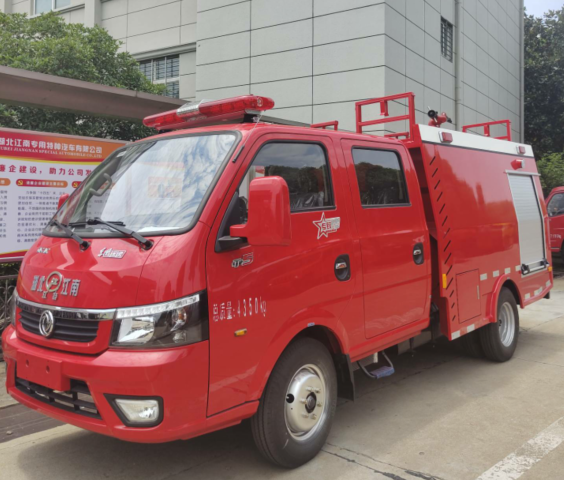
When selecting, special attention should be paid to the matching degree between the chassis load-bearing capacity and the water tank capacity. For rural alleys with a road width of less than 3 meters, it is recommended to use double row or single row micro card chassis with shorter wheelbase; If you need to balance a certain load capacity and long-distance driving stability, you can choose a light truck chassis. Compared with conventional large water tank fire trucks, micro cars sacrifice some of their water carrying capacity and high-pressure spraying ability, but in return, they have extremely high passability and rapid response capabilities. Not suitable for large-scale chemical fires or deep fire extinguishing in high-rise buildings, mainly used for initial control of Class A solid material fires and some Class B liquid fires.
In daily use, the inlet filter of the water pump should be checked regularly to prevent debris from blocking and affecting the water absorption efficiency. Attention should be paid to emptying the water tank and pipeline in cold regions during winter to prevent freezing and cracking of the pump body and water tank. Before driving, check whether the tire pressure, brake system, and warning lights are normal. It is recommended to conduct a water outlet test once a month to ensure smooth connection of the power take-off and stable water pressure. When parked for a long time, the engine should be started regularly to warm up and maintain sufficient battery power. Common faults such as insufficient water pump pressure are often caused by aging seals or worn impellers, which require timely replacement and maintenance to ensure that the vehicle is always in a state of readiness.
AfterSalesService :
Key words:
More Products