

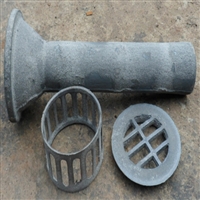
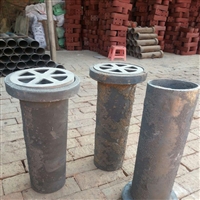
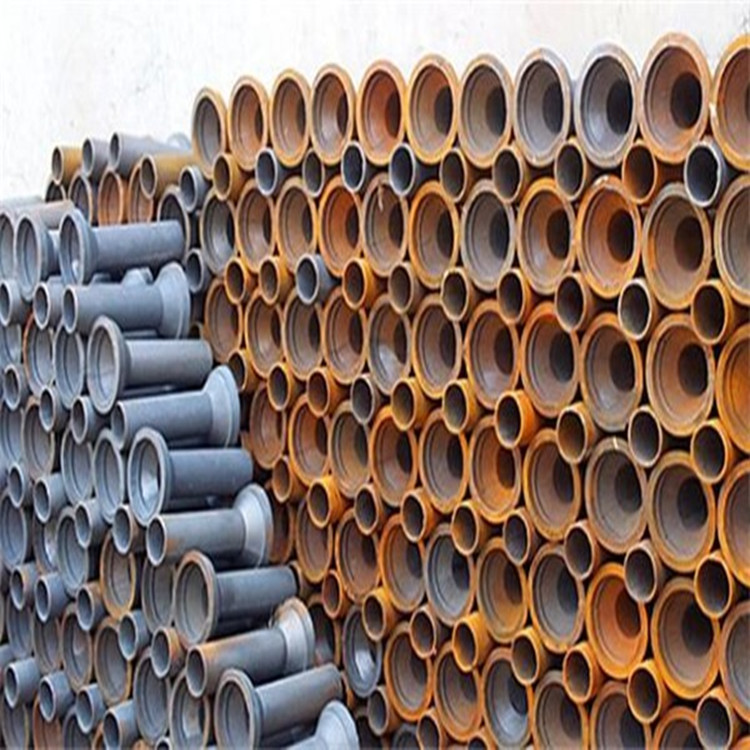
Ma'anshan Drainage Pipe - Cast Iron Drainage Pipe - Circular Drainage Pipe Processing
Category:
metallurgy/tubing/Cast iron pipe
Model:
complete
Brand:
Shun Tian
brand:
Shun Tian
model:
complete
Specifications:
114*420
type:
pipe material
purpose:
drainage
Processing Technology:
deep processing
Processing & Customization:
yes
Is it imported:
No
Place of Origin:
Hebei
Retail Price
40.00USD
重量
kg
- Product Description
-
brand Shun Tian
model complete
Specifications 114*420
type pipe material
purpose drainage
Processing Technology deep processing
Processing & Customization yes
Is it imported No
Place of Origin Hebei
Description :
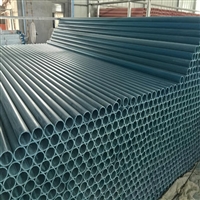
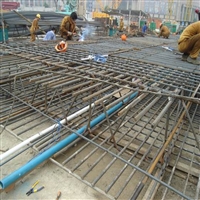
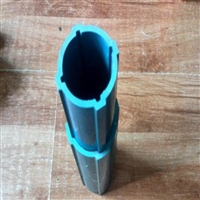
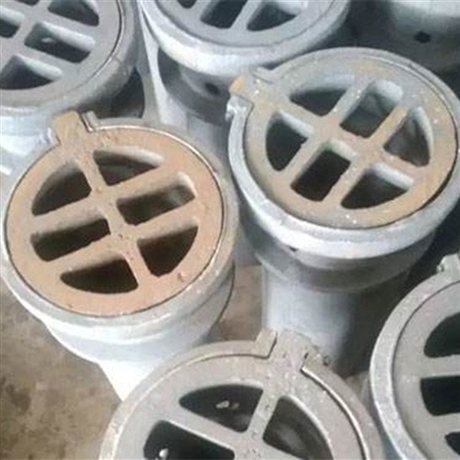
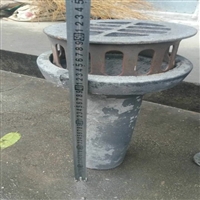
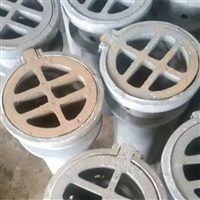
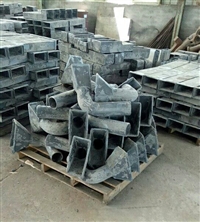
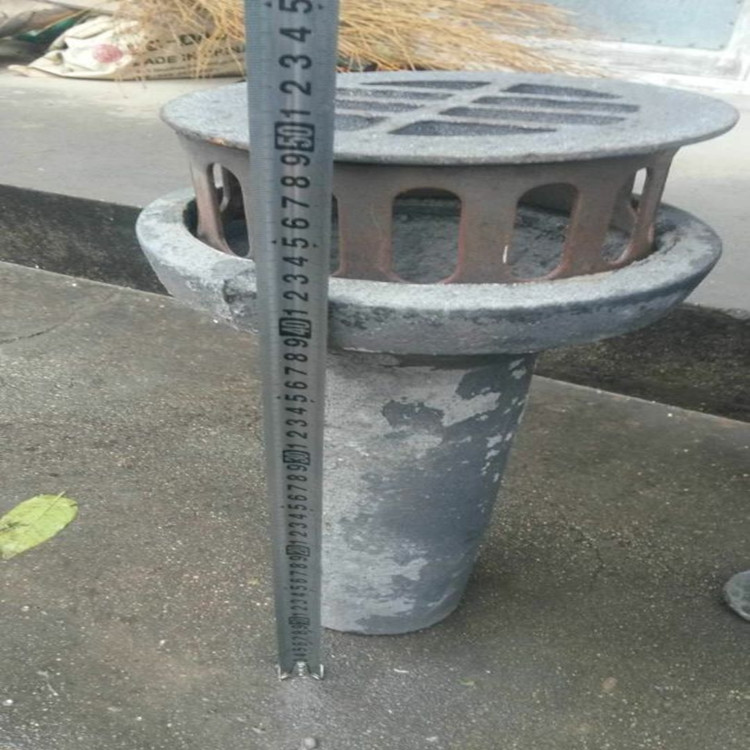
Ma'anshan drainage pipe - cast iron drainage pipe - circular drainage pipe processing, under tight construction period and poor construction conditions. Its advantages are even more obvious. The longitudinal drainage hole of the cast iron drain pipe, as shown in the circular drain pipe diagram, is a relatively complete cast iron drain pipe, suitable for paving structures with waterproof layers for longitudinal drainage. The transverse drainage hole of the cast iron drain pipe is a reinforced concrete drain pipe.



October was originally the traditional peak season for demand, and with continued production restrictions, the fundamentals of the steel market were expected to improve. The Lange Steel Research Center analyzed that there are several reasons for the deep decline in steel prices, including:
One is that the international steel market has peaked and rebounded, which has driven the domestic marketWith the rapid recovery of overseas steel production, the supply gap has been repaired, and at the same time, the global economic recovery has slowed down. The phase of rapid expansion of steel demand has ended, and the tight situation of global steel supply and demand has eased. The global steel market is showing a fluctuating downward trend, especially the European sheet metal market, which has been declining for four consecutive months. In October, the decline in the European sheet metal market increased, and some varieties in the US market also experienced a correction. According to monitoring data from the Lange Steel Research Center, the prices of hot-rolled coils, cold-rolled coils, hot-dip galvanized coils, and medium thick plates in EU steel mills fell by $80, $145, $90, and $80 respectively from the end of September in October. The prices of hot-rolled coils in Midwest steel mills in the United States also fell by $50 from the end of September.
Secondly, the international market has also experienced a decline since mid October, which has dragged down the steel marketSince mid October, the prices of basic metals on the London Metal Exchange have fallen across the board. On October 28th, the three-month aluminum futures closed at $2748 per ton, a decrease of $427 or 13.4% from the high on October 15th; The 3-month copper futures closed at $9640 per ton, a decrease of $575 or 5.6% from the high on October 15th. On the one hand, the settlement price of London copper is 9860 US dollars/ton, a decrease of 792 US dollars/ton from the high point on October 19th; The settlement price of Lunan Aluminum is $2721/ton, a decrease of $459/ton from the high point on October 18th.
The third reason is that the demand for "Silver Ten" was not released as expected, and the upward trend was not realizedCurrently, the sales area of commercial housing has been experiencing negative growth for three consecutive months, and the land purchase area of real estate development enterprises has continued to decline year-on-year. Driven by the continuous negative growth in real estate sales, construction, construction, and land purchase, real estate investment has significantly shrunk, while the monthly growth rate of infrastructure investment has also shown a continuous negative growth for five months. Due to factors such as weak construction industry and power restrictions, the demand for construction steel in the "Silver Ten" project has performed worse than expected, and there has been no surge in transactions. According to research data from Lange Steel Network, the average daily trading volume of the Beijing building materials market in October was 6763 tons, a decrease of 2582 tons from September and a decrease of 3262 tons from the same period last year. At the same time, the increase in downstream manufacturing steel products with a year-on-year decrease in production has also weakened the demand for sheet metal to a certain extent.
Fourthly, the resumption of production by steel mills in some regions has caused some disturbance to the marketWith the resumption of production by steel enterprises in Jiangsu and Guangdong regions, the market has some expectations of loosening production restrictions, and the blast furnace operating rate has also rebounded. According to research data from Lange Steel Network, on October 22, the blast furnace operating rate of major steel companies in China was 76.6%, an increase of 0.8 percentage points from the low point on October 9.
Under the guidance of ensuring supply and stabilizing prices, the black market is experiencing a coordinated declineSince mid October, the National Development and Reform Commission has intervened in coal prices, the National Standing Committee has cracked down on coal market speculation in accordance with the law, and the China Securities Regulatory Commission has resolutely suppressed excessive speculation and eliminated malicious capital speculation. The panic sentiment at the futures level has emerged, with coking coal, coke, and iron ore falling, causing the cost of the market to collapse, leading to a significant decline in thread and hot coil prices, and further driving down steel prices.
November is approaching, and from the demand side, the northern region is gradually entering winter, and the demand for building materials will gradually weaken; From the supply side, production restrictions continue nationwide, and comprehensive control of air pollution in key areas is accelerating in autumn and winter. The steel industry in the Beijing Tianjin Hebei region and surrounding areas is implementing staggered production, further restricting the release of steel production. The market continues to show a weak supply-demand pattern; The firm price of coke still provides strong cost support at present, but in the downward trend of the futures market, the downward movement of cost support on the market, and the weakening trend of raw material demand due to production restrictions by steel mills, the probability of iron ore and coke prices declining in the later stage will increase, and steel costs will also tend to fall. It is expected that the domestic steel market will show a fluctuating and weakening pattern in November.
One is that the international steel market has peaked and rebounded, which has driven the domestic marketWith the rapid recovery of overseas steel production, the supply gap has been repaired, and at the same time, the global economic recovery has slowed down. The phase of rapid expansion of steel demand has ended, and the tight situation of global steel supply and demand has eased. The global steel market is showing a fluctuating downward trend, especially the European sheet metal market, which has been declining for four consecutive months. In October, the decline in the European sheet metal market increased, and some varieties in the US market also experienced a correction. According to monitoring data from the Lange Steel Research Center, the prices of hot-rolled coils, cold-rolled coils, hot-dip galvanized coils, and medium thick plates in EU steel mills fell by $80, $145, $90, and $80 respectively from the end of September in October. The prices of hot-rolled coils in Midwest steel mills in the United States also fell by $50 from the end of September.
Secondly, the international market has also experienced a decline since mid October, which has dragged down the steel marketSince mid October, the prices of basic metals on the London Metal Exchange have fallen across the board. On October 28th, the three-month aluminum futures closed at $2748 per ton, a decrease of $427 or 13.4% from the high on October 15th; The 3-month copper futures closed at $9640 per ton, a decrease of $575 or 5.6% from the high on October 15th. On the one hand, the settlement price of London copper is 9860 US dollars/ton, a decrease of 792 US dollars/ton from the high point on October 19th; The settlement price of Lunan Aluminum is $2721/ton, a decrease of $459/ton from the high point on October 18th.
The third reason is that the demand for "Silver Ten" was not released as expected, and the upward trend was not realizedCurrently, the sales area of commercial housing has been experiencing negative growth for three consecutive months, and the land purchase area of real estate development enterprises has continued to decline year-on-year. Driven by the continuous negative growth in real estate sales, construction, construction, and land purchase, real estate investment has significantly shrunk, while the monthly growth rate of infrastructure investment has also shown a continuous negative growth for five months. Due to factors such as weak construction industry and power restrictions, the demand for construction steel in the "Silver Ten" project has performed worse than expected, and there has been no surge in transactions. According to research data from Lange Steel Network, the average daily trading volume of the Beijing building materials market in October was 6763 tons, a decrease of 2582 tons from September and a decrease of 3262 tons from the same period last year. At the same time, the increase in downstream manufacturing steel products with a year-on-year decrease in production has also weakened the demand for sheet metal to a certain extent.
Fourthly, the resumption of production by steel mills in some regions has caused some disturbance to the marketWith the resumption of production by steel enterprises in Jiangsu and Guangdong regions, the market has some expectations of loosening production restrictions, and the blast furnace operating rate has also rebounded. According to research data from Lange Steel Network, on October 22, the blast furnace operating rate of major steel companies in China was 76.6%, an increase of 0.8 percentage points from the low point on October 9.
Under the guidance of ensuring supply and stabilizing prices, the black market is experiencing a coordinated declineSince mid October, the National Development and Reform Commission has intervened in coal prices, the National Standing Committee has cracked down on coal market speculation in accordance with the law, and the China Securities Regulatory Commission has resolutely suppressed excessive speculation and eliminated malicious capital speculation. The panic sentiment at the futures level has emerged, with coking coal, coke, and iron ore falling, causing the cost of the market to collapse, leading to a significant decline in thread and hot coil prices, and further driving down steel prices.
November is approaching, and from the demand side, the northern region is gradually entering winter, and the demand for building materials will gradually weaken; From the supply side, production restrictions continue nationwide, and comprehensive control of air pollution in key areas is accelerating in autumn and winter. The steel industry in the Beijing Tianjin Hebei region and surrounding areas is implementing staggered production, further restricting the release of steel production. The market continues to show a weak supply-demand pattern; The firm price of coke still provides strong cost support at present, but in the downward trend of the futures market, the downward movement of cost support on the market, and the weakening trend of raw material demand due to production restrictions by steel mills, the probability of iron ore and coke prices declining in the later stage will increase, and steel costs will also tend to fall. It is expected that the domestic steel market will show a fluctuating and weakening pattern in November.
AfterSalesService :
Key words:- Ma'anshan drainage pipe
More Products