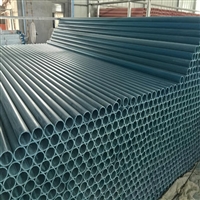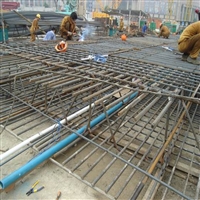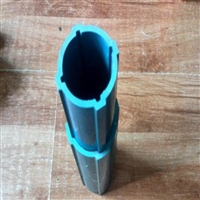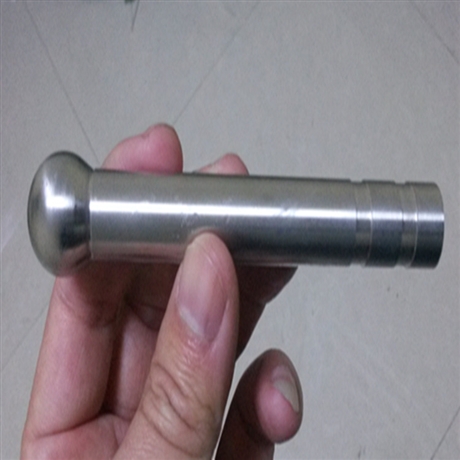

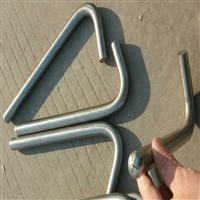
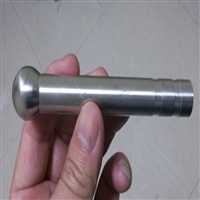
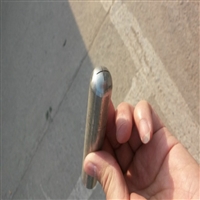

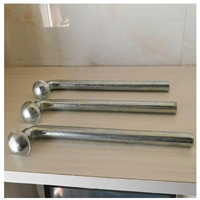

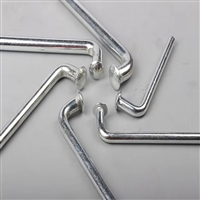
Introduction to Wenzhou Settlement Observation Point Products
Category:
metallurgy/Stainless steel material/Stainless steel bars
Model:
Brand:
Cangzhou Shuntian
grade:
Observation standard
cross-sectional shape:
round bar
surface treatment:
glossy surface
Processing Technology:
Forging
tensile strength:
370MPa~480MPa
Processing Service:
deep processing
execution standard:
National Standard
quality grade:
A-level
Processing & Customization:
yes
Is it imported:
No
weight:
one
Scope of application:
rail transit
delivery service:
Can be delivered to the factory
Type of goods sales:
spot
Item Number:
twenty thousand one hundred and twenty
warehouse address:
Cangzhou, Hebei
warehouse phone:
fifteen billion one hundred and three million three hundred and seventy-two thousand six hundred and sixty-seven
manufacturer:
Cangzhou Shuntian Steel Pipe Co., Ltd
Retail Price
17.00USD
重量
kg
- Product Description
-
grade Observation standard
cross-sectional shape round bar
surface treatment glossy surface
Processing Technology Forging
tensile strength 370MPa~480MPa
Processing Service deep processing
execution standard National Standard
quality grade A-level
Processing & Customization yes
Is it imported No
weight one
Scope of application rail transit
delivery service Can be delivered to the factory
Type of goods sales spot
Item Number twenty thousand one hundred and twenty
warehouse address Cangzhou, Hebei
warehouse phone fifteen billion one hundred and three million three hundred and seventy-two thousand six hundred and sixty-seven
manufacturer Cangzhou Shuntian Steel Pipe Co., Ltd
Description :
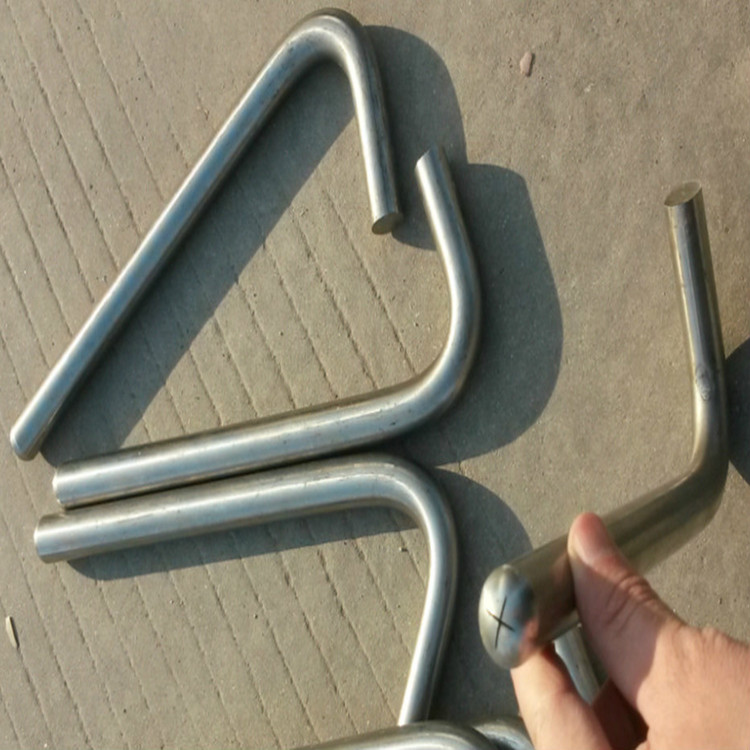
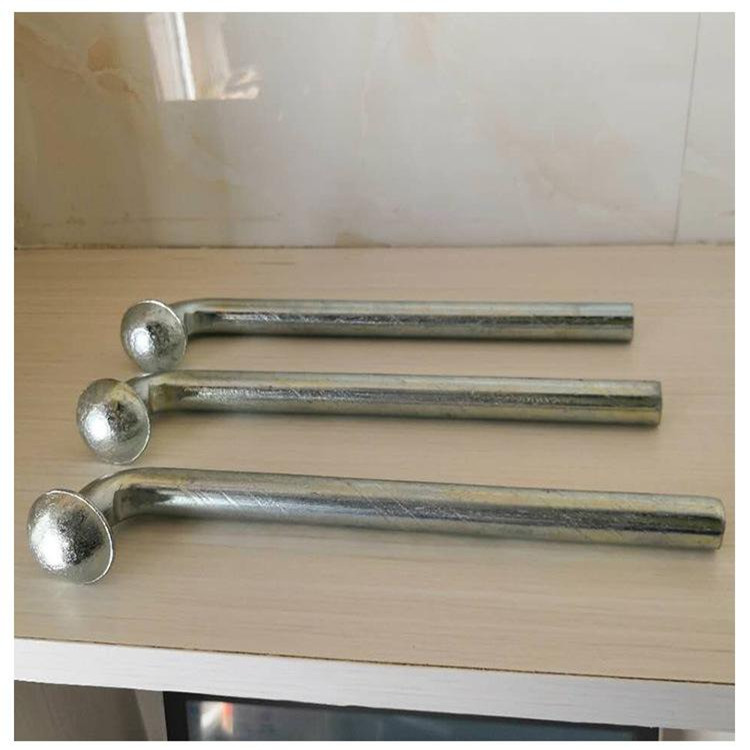
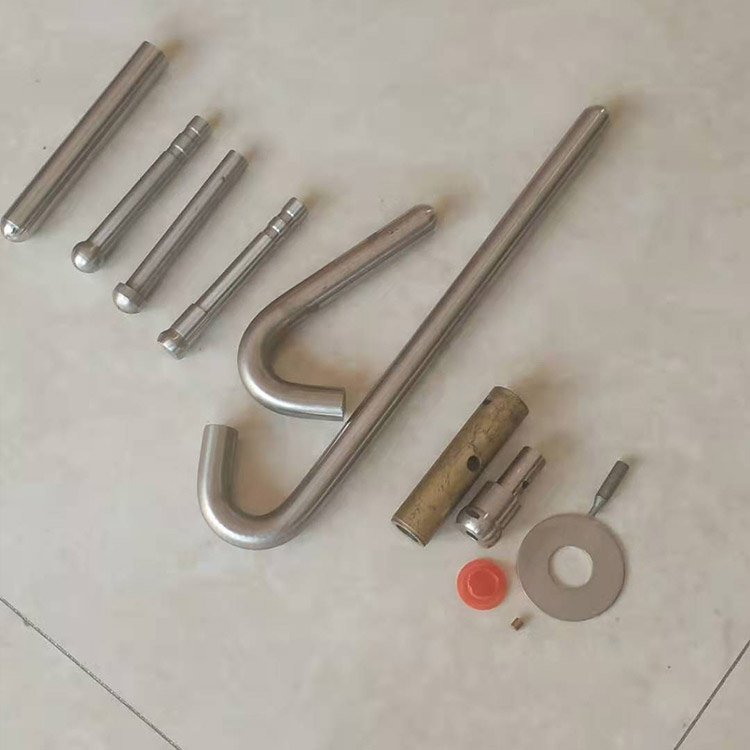
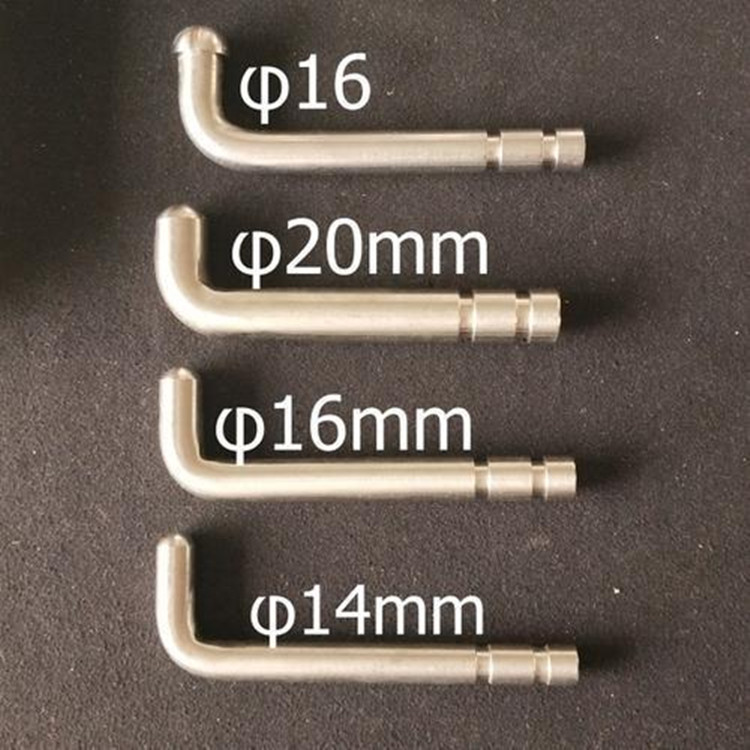
Product Name Settlement observation point Specifications 12*100mm,12*150mm,12*200mm,14*150mm,14*200mm,14*250mm...... Diameter 12mm 14mm 16mm
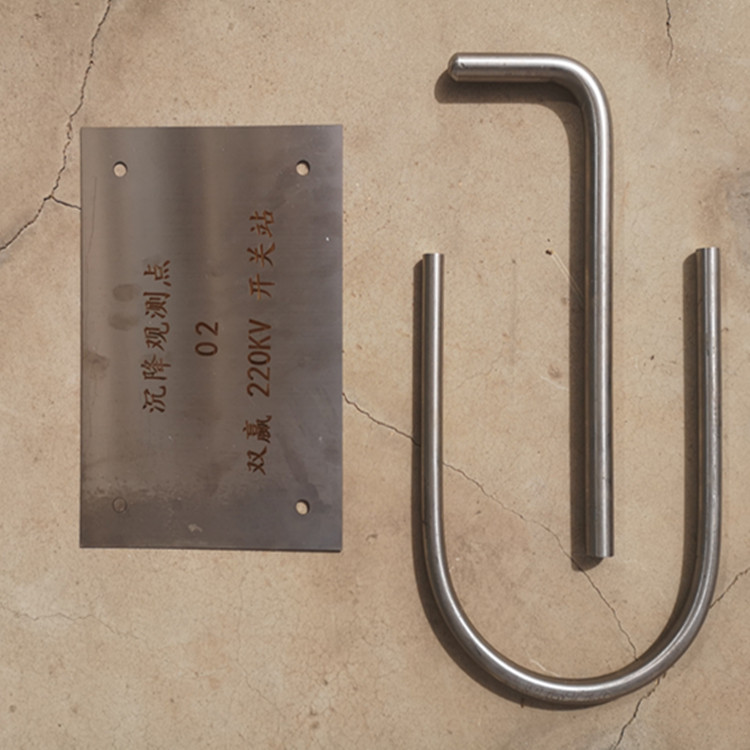
The settlement observation points for product application should be securely set up and properly protected to prevent damage during construction. Settlement observation points should generally be located at the following positions: 1. At the four corners, large corners, and 10-15 meters along the exterior wall of the building, or every 2-3 column bases; 2. On both sides of the intersection of high and low rise buildings, old and new buildings, and vertical and horizontal walls; 3. On both sides of building cracks and settlement joints, at locations where there is a significant difference in foundation burial depth, at the boundary between artificial and natural foundations, at the boundary between different structures, and at the boundary between filling and excavation; 4. Set points on each or part of the column foundation of the frame structure building or along the longitudinal and transverse axes; 5. At the four corners and middle positions of raft foundation, box foundation bottom plate or structural parts close to the foundation; 6. For buildings with a width greater than or equal to 15m and complex geology or expansive soil areas, interior wall points shall be set in the middle of the load-bearing interior partition wall, and ground points shall be set in the center and surrounding areas of the indoor floor; 7. Adjacent stacking of heavy objects, vibration foundations, heavy equipment and power equipment foundations, etc. The observation period for general buildings can start after the foundation is completed or the basement is built, while for large and high-rise buildings, observation can start after the foundation cushion or foundation bottom is completed. The number of observations and interval time should depend on the foundation and loading conditions. Civil buildings can be observed once every 1-5 floors of height increase; Industrial buildings can be observed separately according to different construction stages, such as backfilling foundation pits, installing columns and roof trusses, masonry walls, equipment installation, etc. If the building is uniformly raised, it should be observed at least once when the load is increased by 25%, 50%, 75%, and 100%. If the construction process is temporarily suspended, observation should be conducted once during the suspension and once again during the resumption of work. If there is a sudden increase or decrease in ground load near the foundation, a large amount of water collection around the foundation, or prolonged continuous rainfall, the number of observations should be increased in a timely manner. When a building suddenly experiences significant settlement, uneven settlement, or severe cracks, continuous observations should be conducted immediately on a daily or daily basis. If the settlement is still unstable after the completion of the building, observation should continue during the use phase. Judgment of settlement stability: In general observation projects, if the settlement rate is less than 0.01-0.04mm/day, it can be considered that the settlement stability stage has been entered.

AfterSalesService :
Key words:- Wenzhou subsidence observation point
More Products