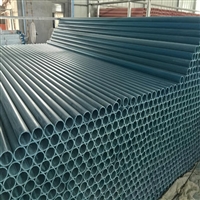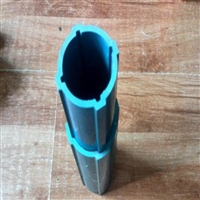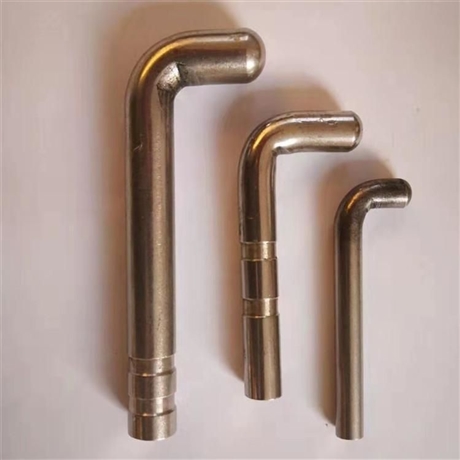

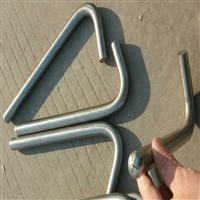
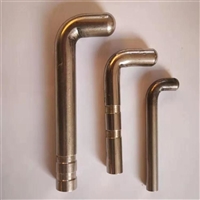
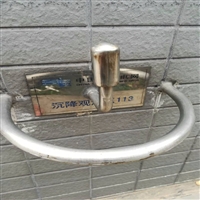
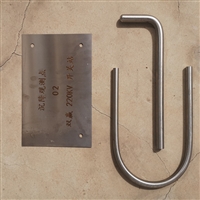
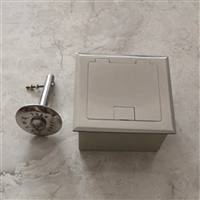

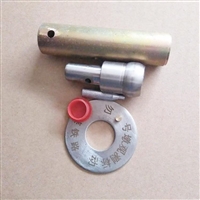
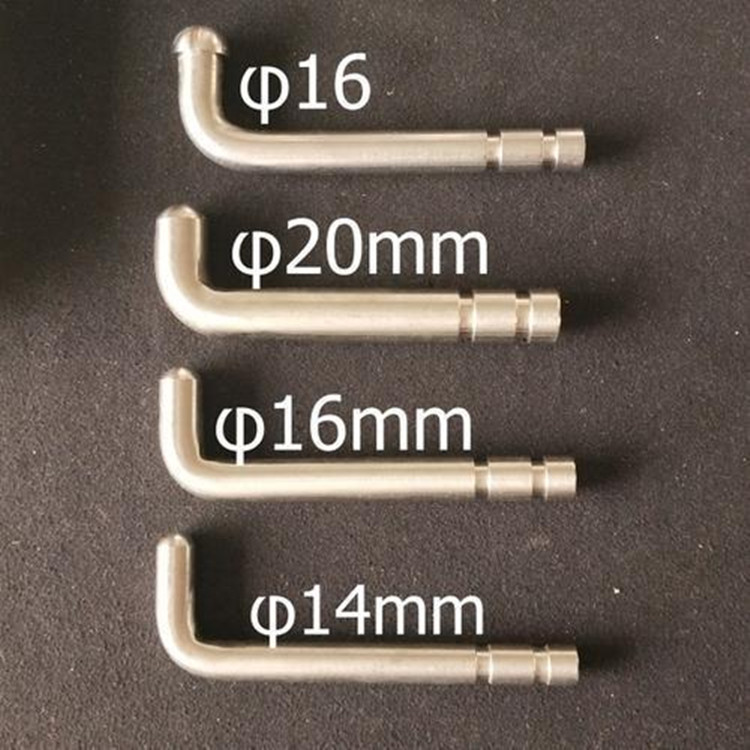
Ningde observation standard suppliers can customize according to customer requirements
Category:
metallurgy/Stainless steel material/Stainless steel bars
Model:
Brand:
Cangzhou Shuntian
grade:
Observation standard
cross-sectional shape:
round bar
surface treatment:
glossy surface
Processing Technology:
Forging
tensile strength:
370MPa~480MPa
Processing Service:
deep processing
execution standard:
National Standard
quality grade:
A-level
Processing & Customization:
yes
Is it imported:
No
weight:
one
Scope of application:
rail transit
delivery service:
Can be delivered to the factory
Type of goods sales:
spot
Item Number:
twenty thousand one hundred and twenty
warehouse address:
Cangzhou, Hebei
warehouse phone:
fifteen billion one hundred and three million three hundred and seventy-two thousand six hundred and sixty-seven
manufacturer:
Cangzhou Shuntian Steel Pipe Co., Ltd
Retail Price
7.00USD
重量
kg
- Product Description
-
grade Observation standard
cross-sectional shape round bar
surface treatment glossy surface
Processing Technology Forging
tensile strength 370MPa~480MPa
Processing Service deep processing
execution standard National Standard
quality grade A-level
Processing & Customization yes
Is it imported No
weight one
Scope of application rail transit
delivery service Can be delivered to the factory
Type of goods sales spot
Item Number twenty thousand one hundred and twenty
warehouse address Cangzhou, Hebei
warehouse phone fifteen billion one hundred and three million three hundred and seventy-two thousand six hundred and sixty-seven
manufacturer Cangzhou Shuntian Steel Pipe Co., Ltd
Description :
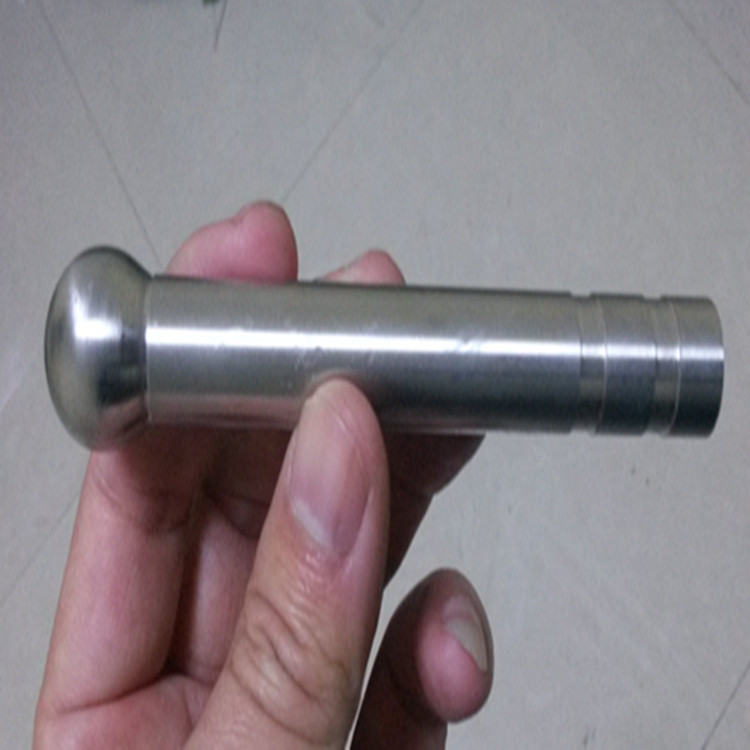
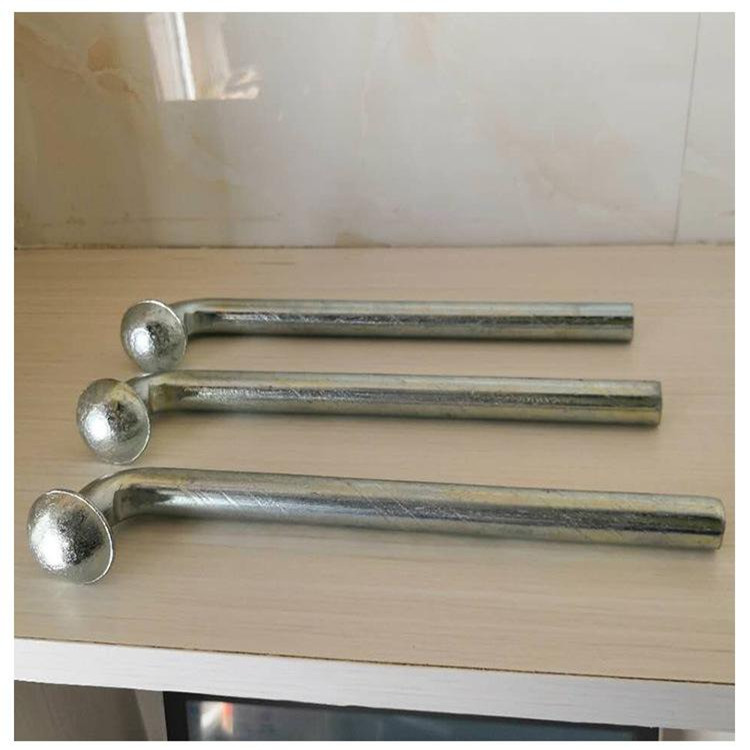
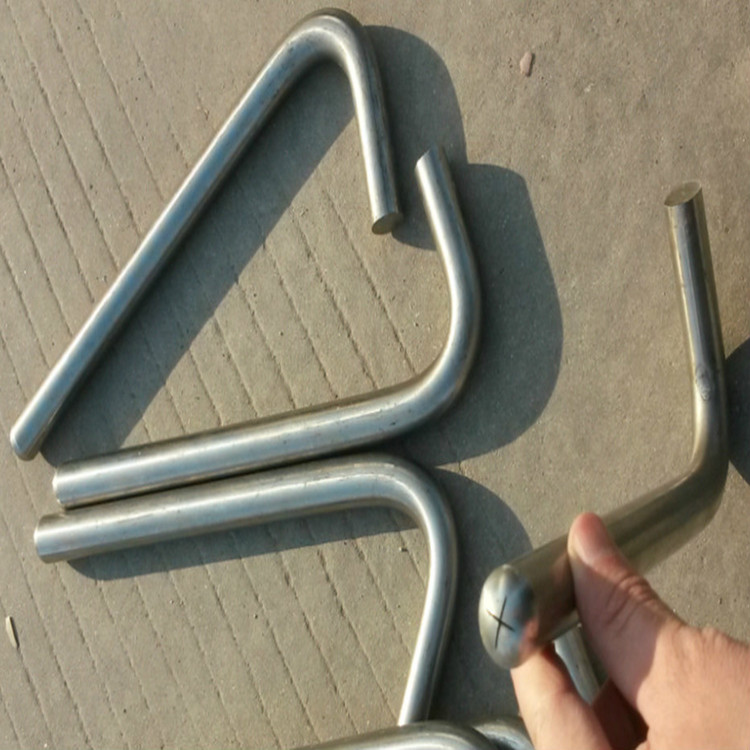
Ningde observation standard suppliers can customize some specifications according to customer requirements and ship them on the same day they are available
With the vigorous development of national economic construction, there is an increasing number of engineering surveys and deformation monitoring in areas such as land and resources investigation, surveying and demarcation, reservoir dams, highways and bridges, equipment installation, civil buildings, industrial buildings, high-rise buildings, earthquake monitoring, landslides, etc., which serve as important indicators for basic and qualitative preservation of surveying and mapping engineering and deformation monitoring. It includes various levels of triangulation points, baseline points, traverse points, control points, gravity points, astronomical points, leveling points, wooden and steel targets and stone markers built on the ground, underground or buildings, global control points, as well as fixed surveying markers used for topographic mapping, engineering surveying, zoning boundary surveying, cadastral surveying and deformation surveying; Temporary measurement markers being used in the measurement.


Introduction
There are multiple reasons why mercury in the environment is considered a global problem. The reason is that once mercury enters the environment, it will always exist and cannot be degraded; The second reason is due to the physical properties of mercury, which makes it easy to diffuse over long distances. Even the presence of small amounts of mercury in the environment can have negative effects on health. Therefore, it is necessary to take action to reduce mercury emissions and pay attention to expanding knowledge about mercury cycling in the environment. In the past few years, mercury emissions, transport, and conversion in the environment have attracted widespread attention, but despite numerous studies on these issues, many phenomena remain unexplained.
summary
For many years, atmospheric mercury has been regarded as a global pollutant. The transfer of mercury compounds from the atmosphere and their deposition on the surface is an important issue that requires knowledge of the cycling of various forms of the metal among environmental factors. There are many numerical models that can be used to study and represent this phenomenon. These models are based on data related to mercury emission sources, the concentration of the pollutant in the model area, and meteorological data, as well as regional and global air quality flow rates. This study proposes a method for analyzing mercury deposition flux at a local scale based solely on mercury flow intensity. The range of mercury deposition flux (mixed deposition) obtained using MDC method at Zloty Potok station (regional background station in Silesia region) is 22.8 μ g · m? 2 years? 1 (measured based on data from 8 months in 2013) to 54.2 μ g · m in 2012? 2 years? 1. Develop a mercury deposition coefficient (MDC) method that can be used to measure only meteorological parameters and mercury concentration in atmospheric air. By obtaining the sedimentation coefficient values, the concentration of the selected pollutants and the potential impact of sedimentation can be quantified.
AfterSalesService :
Key words:- Ningde Observation Standard
More Products