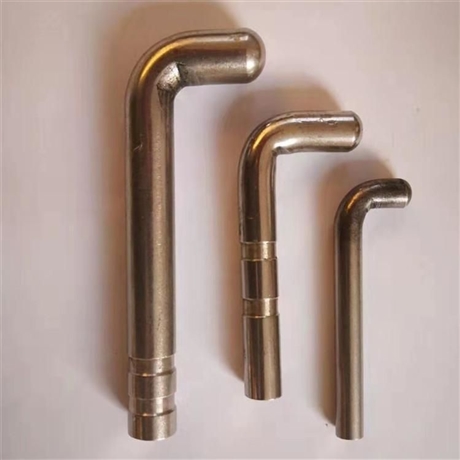

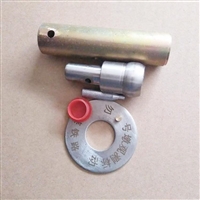
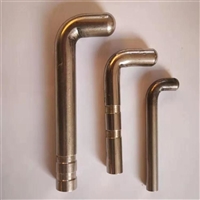
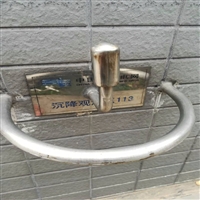
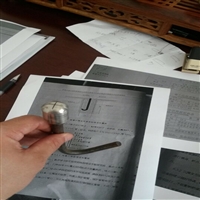
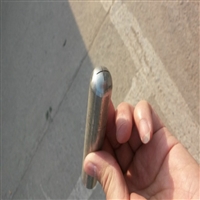
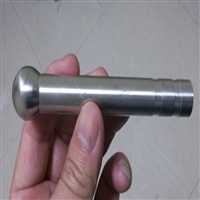
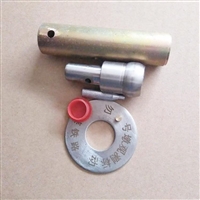
Putian observation mark deformation monitoring L-shaped settlement mark straight settlement observation point 304-316 stainless steel material
Category:
metallurgy/Stainless steel material/Stainless steel bars
Model:
Brand:
Cangzhou Shuntian
grade:
Observation standard
cross-sectional shape:
round bar
surface treatment:
glossy surface
Processing Technology:
Forging
tensile strength:
370MPa~480MPa
Processing Service:
deep processing
execution standard:
National Standard
quality grade:
A-level
Processing & Customization:
yes
Is it imported:
No
weight:
one
Scope of application:
rail transit
delivery service:
Can be delivered to the factory
Type of goods sales:
spot
Item Number:
twenty thousand one hundred and twenty
warehouse address:
Cangzhou, Hebei
warehouse phone:
fifteen billion one hundred and three million three hundred and seventy-two thousand six hundred and sixty-seven
manufacturer:
Cangzhou Shuntian Steel Pipe Co., Ltd
Retail Price
8.00USD
重量
kg
- Product Description
-
grade Observation standard
cross-sectional shape round bar
surface treatment glossy surface
Processing Technology Forging
tensile strength 370MPa~480MPa
Processing Service deep processing
execution standard National Standard
quality grade A-level
Processing & Customization yes
Is it imported No
weight one
Scope of application rail transit
delivery service Can be delivered to the factory
Type of goods sales spot
Item Number twenty thousand one hundred and twenty
warehouse address Cangzhou, Hebei
warehouse phone fifteen billion one hundred and three million three hundred and seventy-two thousand six hundred and sixty-seven
manufacturer Cangzhou Shuntian Steel Pipe Co., Ltd
Description :
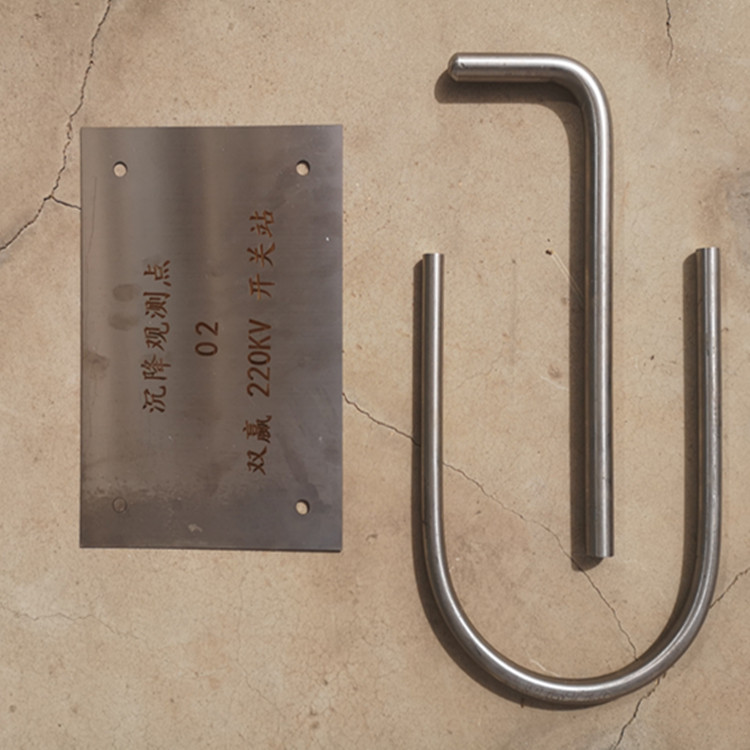
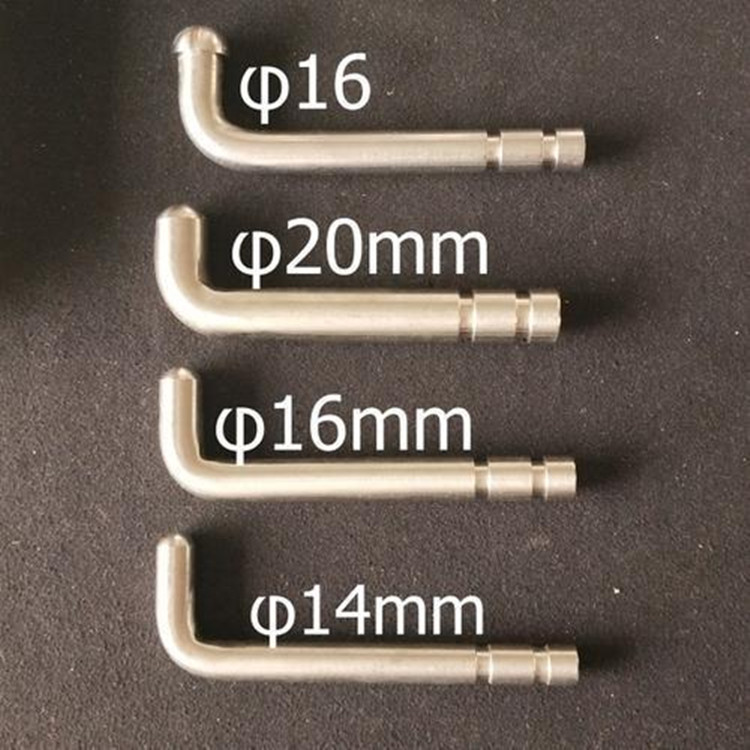


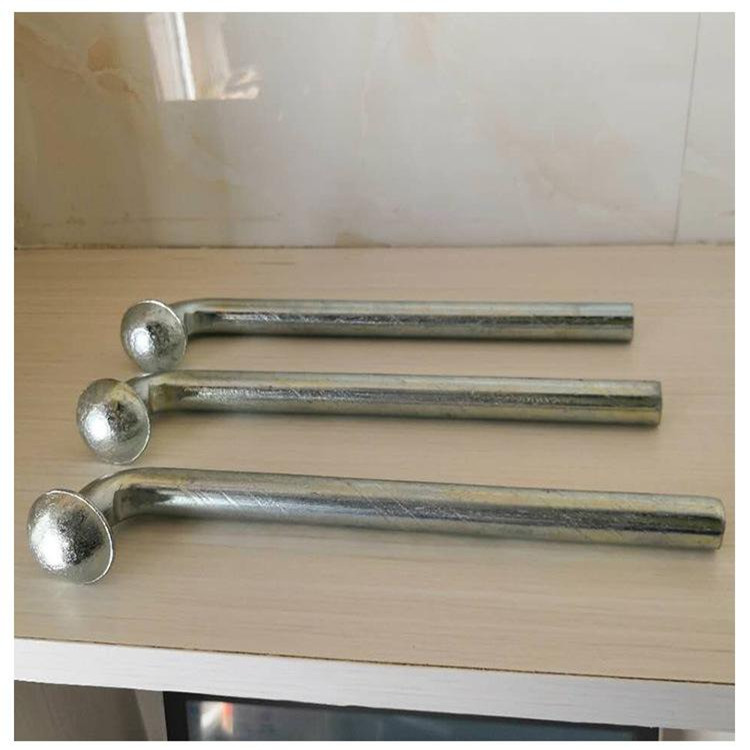
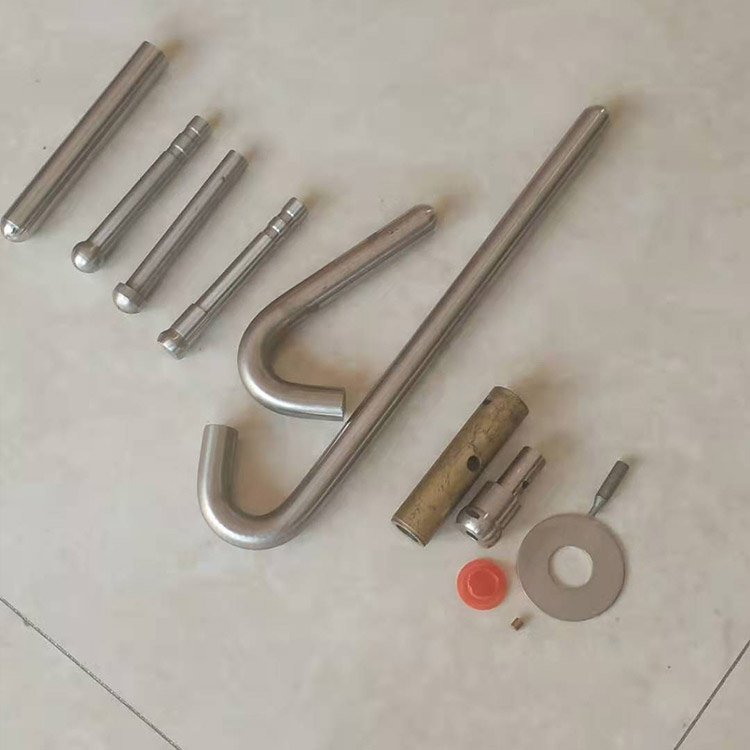
Putian observation mark deformation monitoring L-shaped settlement mark straight settlement observation point (made of 304-316 stainless steel material)
Introduction to Settlement Observation
With the development of industrial and civil construction industries, various complex and large-scale engineering buildings are increasing. The construction of engineering buildings changes the original state of the ground and exerts certain pressure on the foundation of the building, which inevitably causes deformation of the foundation and surrounding strata. In order to ensure the normal service life and safety of buildings, and to provide reliable data and corresponding settlement parameters for future survey, design, and construction, the necessity and importance of building settlement observation have become increasingly apparent. The current regulations also stipulate that settlement observations must be conducted on high-rise buildings, towering structures, important ancient buildings, foundations of continuous production facilities, foundations of power equipment, landslide monitoring, etc. Especially in the construction process of high-rise buildings, settlement observation should be applied to strengthen process monitoring, guide reasonable construction procedures, prevent uneven settlement during the construction process, provide timely feedback information, and provide detailed first-hand information for the survey, design, and construction departments to avoid damage to the main structure of the building or cracks that affect the functional use of the structure caused by settlement, resulting in huge economic losses.
Diagram editing
The content of the settlement observation diagram includes: project name, plan layout diagram of settlement observation points and benchmark points, and sign diagram of settlement observation points.
Setting of benchmark points
In general, the settlement observation benchmark (or water benchmark) can use the benchmark used for engineering elevation positioning as the settlement observation benchmark. If the distance between the leveling point and the observation is too large, in order to ensure the accuracy of the observation, a new leveling point should be buried near the building or structure.
Each area for settlement observation of buildings and structures must have a sufficient number of benchmark points, and according to the "Code for Engineering Surveying" (GB50026-2007), there must be no less than 3 benchmark points. The use of benchmark points should be considered, and they should be buried firmly (not in roads, warehouses, riverbanks, newly filled soil, places where construction or material stacking will take place, or within the range affected by vibration). The distance between the benchmark point and the observed buildings and structures should be 30-50m. The benchmark point cap should be made of copper or stainless steel. If ordinary steel is used instead, attention should be paid to rust prevention. The laying of benchmark points must be completed 15 days before excavation of the foundation pit.
According to actual requirements, two types of benchmark points can be used: deep buried and shallow buried, but at least one deep buried benchmark point should be set up in each observation area.
Signs of settlement observation points
Observation points for measuring the subsidence of buildings or structures can be of various types based on the characteristics of the building. The commonly used forms of settlement observation markers include concealed bolt type, L-shaped, quick insertion type, etc; The upper part of the observation point sign should have a protruding hemisphere or obvious protrusion, and the observation point sign itself should be firm. Settlement observation points should be buried in a timely manner, and settlement observation point markers should be installed stably and firmly, maintaining a certain distance from the column or wall to ensure that the ruler can be vertically placed on the top of the marker; At the same time, the burial location of settlement observation markers should have a wide line of sight and no obstruction.
Settlement observation points should have good visibility conditions
The layout of observation points should be determined by the design unit based on the engineering geological data of the foundation and the characteristics of the building structure, in accordance with the requirement of comprehensively identifying the settlement of buildings and structures.
Observation points for load-bearing on brick walls can generally be set every 8-12 meters along the length of the wall and should be placed on the building. When the width of the building is greater than 15m, observation points should also be set up at appropriate positions on the interior walls.
Buildings with frame structures should have observation points installed on each pile foundation or part of the pile foundation. For high-rise buildings with floating raft or box foundations, observation points should be set along the longitudinal and transverse axes, as well as around the foundation (or structural parts close to the foundation). Observation points should be set up on both sides of the connection between the new and existing buildings. Observation points for chimneys, water towers, oil tanks, and other similar structures should be symmetrically set along the periphery.
The specific layout of settlement observation points should be determined by the design unit. For buildings or structures that require settlement observation according to relevant regulations without design specifications, the placement of settlement observation points shall be determined by the technical department of the construction enterprise.
The scale of the layout plan of settlement observation points is generally 1:100 to 1:500. All observation points should be numbered for the purpose of recording observations.
Observation record editing and broadcasting
The content of settlement observation records includes: the project name, different observation dates, and records of the elevation and gradual settlement of each observation point measured based on benchmark points under different project states.
Instruments and methods for settlement observation
Settlement observation should be carried out using precision leveling instruments and copper water level rulers. In the absence of these instruments, precision engineering leveling instruments (with matching levels) and calibrated leveling instruments can also be used. Fixed measuring tools should be used for observation, and personnel should also be fixed. Each observation must be checked on site using a circular closure method or a reciprocating closure method. The difference between two observations at the same observation point shall not exceed 1mm, and the leveling measurement shall be carried out using the closed method.
The use of second-order leveling measurement should meet the requirement of (mm);
The use of third-order leveling measurement should meet the requirement of (mm). (n is the number of times the level is installed during the leveling process)
Number and duration of settlement observations
The frequency and time of settlement observation should be in accordance with the design requirements. Generally, the observation should be carried out in a timely manner after the observation point is securely installed. Civil buildings should be observed once every additional floor, while industrial buildings should be observed separately at different load stages; The settlement observation conducted by the construction unit during the construction period shall not be less than 4 times. The observation frequency after the completion of all buildings and structures is 4 times per year, 2 times per year in the second year, and 1 time per year after the third year, until the settlement stabilizes (determined by the relationship curve between settlement and time). The observation period is generally 2 years for sandy soil foundation, 5 years for cohesive soil foundation, and 10 years for soft soil foundation. When buildings and structures suddenly experience significant settlement, uneven settlement, or severe cracks, continuous observations should be conducted daily or every few days, and cracks should also be observed.
For the observation of cracks in buildings, reliable observation markers (such as gypsum strips, etc.) should be set up on the cracks. After observation, detailed drawings should be drawn to indicate the location, shape, and size of the cracks, and the date and number should be indicated. If necessary, take photos of cracks. The crack width can be observed with a magnifying glass.
engineering status
Using a certain floor (or elevation) as a status marker for general civil buildings; Industrial buildings are marked with different load stages as status indicators.
For each settlement observation, the settlement amount and cumulative settlement amount between adjacent observation points should be checked. If the settlement is too large or uneven, measures should be taken in a timely manner.
other
The number of each observation point in the column of observation point number should be consistent with the number in the settlement observation diagram.
AfterSalesService :
Key words:- Putian Observation Standard
More Products