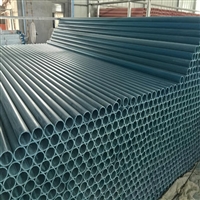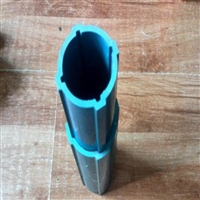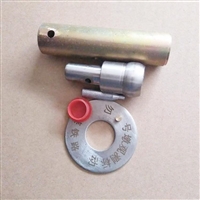
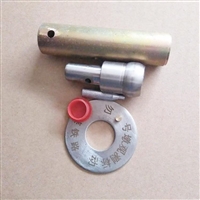
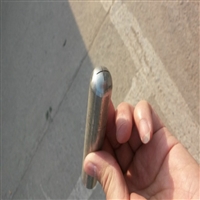
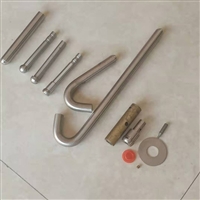

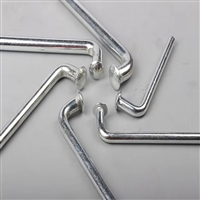
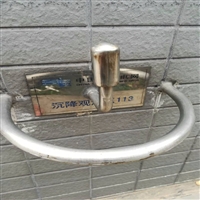
Longyan stainless steel observation standard shipped from Cangzhou Shuntian
Category:
metallurgy/Stainless steel material/Stainless steel bars
Model:
Brand:
Cangzhou Shuntian
grade:
Observation standard
cross-sectional shape:
round bar
surface treatment:
glossy surface
Processing Technology:
Forging
tensile strength:
370MPa~480MPa
Processing Service:
deep processing
execution standard:
National Standard
quality grade:
A-level
Processing & Customization:
yes
Is it imported:
No
weight:
one
Scope of application:
rail transit
delivery service:
Can be delivered to the factory
Type of goods sales:
spot
Item Number:
twenty thousand one hundred and twenty
warehouse address:
Cangzhou, Hebei
warehouse phone:
fifteen billion one hundred and three million three hundred and seventy-two thousand six hundred and sixty-seven
manufacturer:
Cangzhou Shuntian Steel Pipe Co., Ltd
Retail Price
7.00USD
重量
kg
- Product Description
-
grade Observation standard
cross-sectional shape round bar
surface treatment glossy surface
Processing Technology Forging
tensile strength 370MPa~480MPa
Processing Service deep processing
execution standard National Standard
quality grade A-level
Processing & Customization yes
Is it imported No
weight one
Scope of application rail transit
delivery service Can be delivered to the factory
Type of goods sales spot
Item Number twenty thousand one hundred and twenty
warehouse address Cangzhou, Hebei
warehouse phone fifteen billion one hundred and three million three hundred and seventy-two thousand six hundred and sixty-seven
manufacturer Cangzhou Shuntian Steel Pipe Co., Ltd
Description :
Longyan stainless steel observation standard shipped from Cangzhou Shuntian
The settlement observation data should be promptly organized and properly stored as part of the technical archives of the project. (1) Based on the measurement of benchmark points, each observation point and its successive settlement amount are obtained (settlement observation results table). (2) The location map of observation points drawn based on the floor plan of buildings and structures, and the relationship curve chart between settlement, foundation load, and duration drawn based on settlement observation results (it is required that a curve chart be drawn for each observation point). (3) Calculate the average settlement, relative bending, and relative tilt values of buildings and structures. (4) The plan layout and structural diagram of benchmark points, and all original data for measuring settlement. (5) A settlement observation analysis report based on the above content (which should be accompanied by a brief explanation of engineering geology and engineering design). Observation points editing and broadcasting: The setting of benchmark points should be based on the principle of ensuring their stability and reliability, and should be set on bedrock or soil layers with low compressibility. The position of the benchmark should be close to the observation object, but must be outside the range of pressure generated by the building. Setting of observation points: The layout of observation points should comprehensively reflect the deformation of the building and be determined based on geological conditions, with a minimum of 6 points. Precision level gauges and steel rulers should be used for measurement, and fixed measuring tools and time measuring personnel should be used for the observation object. The instruments should be strictly calibrated before observation. The measurement accuracy should adopt Level II leveling measurement, with a line of sight length of 20-30m and a line of sight height not less than 0.3m. Meteorological data should be registered during observation, and the number and time of observations should be determined according to the specific building. When the foundation pit is deep, rebound observation after excavation can be considered.
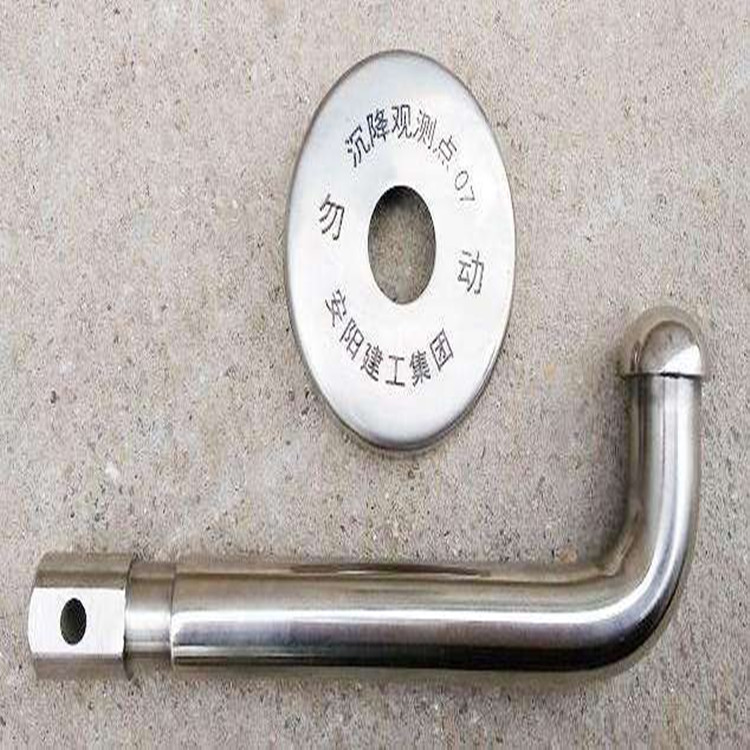

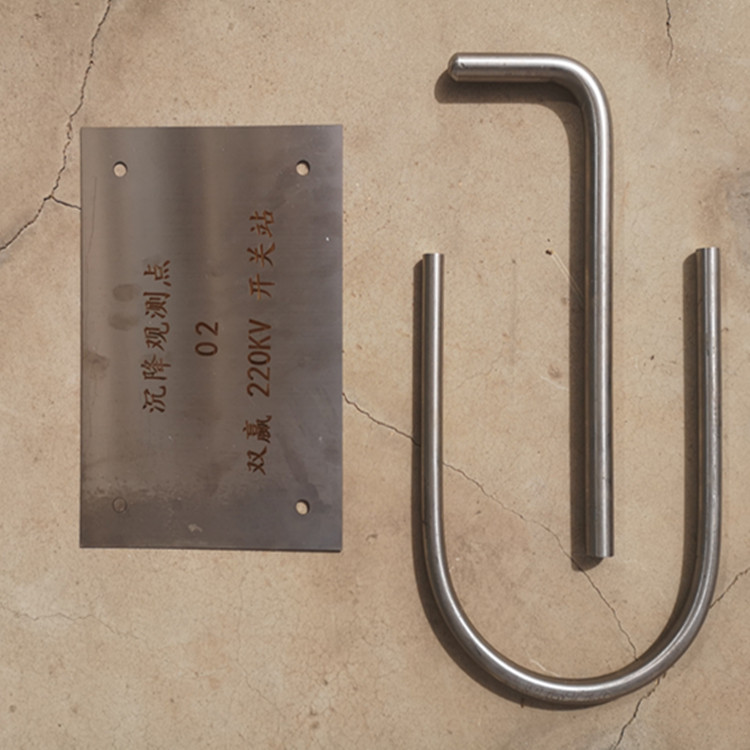

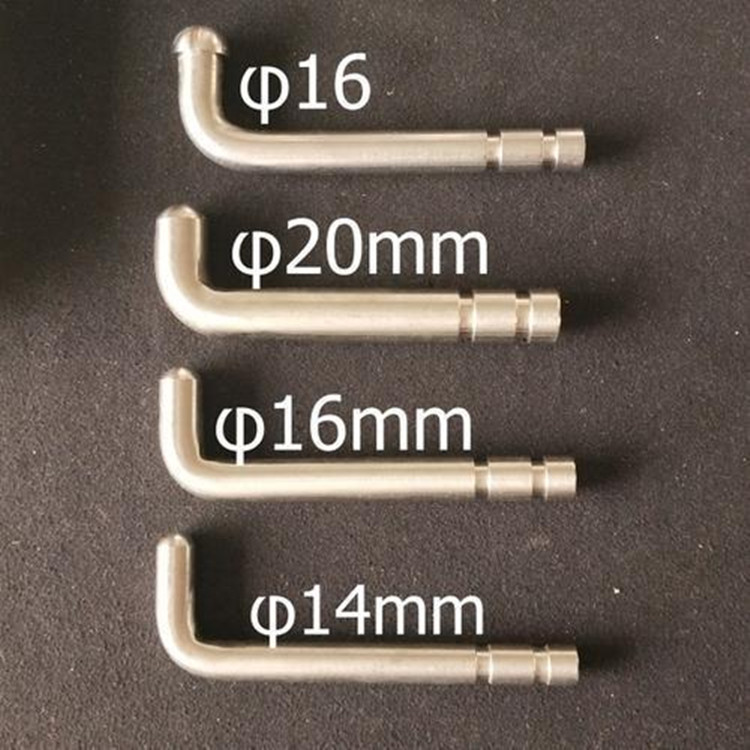
 The observation implementation editing and broadcasting work base point and the layout of observation point markers (hereinafter referred to as the base point) are the reference points for settlement observation, which should be established according to the requirements of the settlement measurement plan and network layout principles of the project. The settlement measurement plan should be formulated based on the layout characteristics of the project and the environmental conditions of the site. Based on work experience, it is generally recommended to set up three base points around high-rise buildings, with a distance of 50m to 100m from the building. The base point can utilize existing and stable buried stone points and wall base leveling points, or set wall base leveling points on buildings with stable foundations and long construction time in the area. If the above conditions are not met in the area, the base point can be buried in a place with good concealment, good visibility, and safety according to the corresponding requirements. The base points set up are strictly prohibited from use until their stability is determined. Therefore, the height difference between the base points should be measured every time to determine whether they are relatively stable, and the base points should be regularly measured in conjunction with high-level benchmarks far away from the building to verify their own stability. Settlement observation points should be comprehensively considered based on factors such as the shape, structure, geological conditions, and pile shape of the building, and should be located at the most sensitive location to reflect changes in building settlement. It is generally installed at the corners of buildings, in locations with significant differential settlement, in sections with significantly different geological conditions, and on both sides of settlement cracks. When burying, pay attention to the reliable connection between the observation point and the building, so that the changes in the observation point can truly reflect the changes in the building. And based on the floor plan design drawings of the building, draw a settlement observation point layout diagram to determine the location of the settlement observation points. A fixed observation route should be established between the working point and the settlement observation point, and marker posts should be made at the instrument installation station and transfer point to ensure that each observation follows a unified route. The period of settlement observation and the measurement process should reflect the settlement deformation law of the building. The settlement observation of buildings (structures) has strict time constraints, especially the observation must be carried out on time, otherwise the original data of settlement observation cannot be obtained, resulting in incomplete observation results. The retesting of other stages must be carried out regularly according to the progress of the project, without missing or supplementing the measurement, only in this way can accurate settlement conditions or patterns be obtained. It is generally believed that buildings built on sandy soil layers have mostly completed their settlement during construction, while buildings built on clay soil layers have only a partial settlement during construction, and therefore, the settlement period is variable. Based on work experience, during the construction phase, the frequency of observation should be higher. Generally, the observation period is determined by 3 days, 7 days, or 15 days, or by increasing the number of layers and loads. The specific observation period should depend on the foundation and loading during the construction process. When temporarily suspending work, observation should be conducted once during the suspension and once again during the resumption of work to check the changes in building settlement during the suspension period. This serves as a basis for determining whether the method and frequency of settlement observation should be adjusted after resuming work. After completion, the frequency of observation can be reduced, depending on the type of foundation soil and the magnitude of settlement rate. Generally, there are different periods such as one month, two months, three months, six months, and one year. Whether the settlement has entered a stable stage should be determined by the relationship curve between settlement amount and time. For key observation and scientific research projects, if the settlement in each of the three observation cycles does not exceed twice the measurement error, it can be considered as entering the stable stage. For settlement observation in general engineering, if the settlement rate is less than 0.01-0.04mm/d, it can be considered as entering the stable stage, and the specific value should be determined according to the compressibility of the foundation soil in each region.
AfterSalesService :
Key words:- Longyan Stainless Steel Observation Standard
More Products