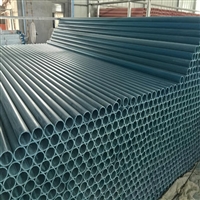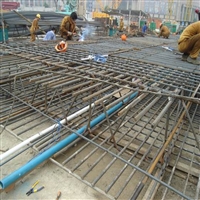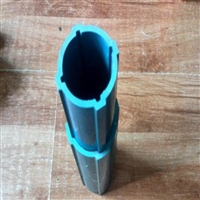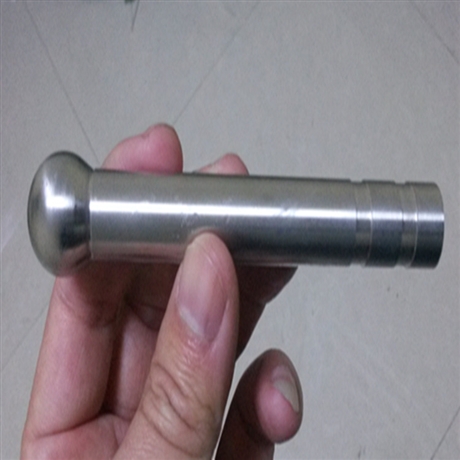

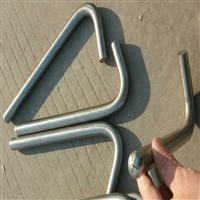
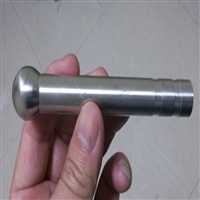
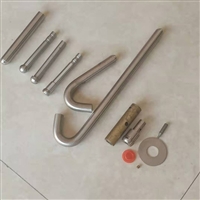
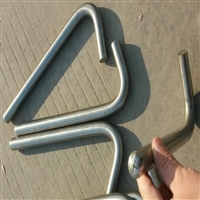
Jiangmen Observation Point Tunnel Observation Point Supplier Material 304-316
Category:
metallurgy/Stainless steel material/Stainless steel bars
Model:
Brand:
Cangzhou Shuntian
grade:
Observation standard
cross-sectional shape:
round bar
surface treatment:
glossy surface
Processing Technology:
Forging
tensile strength:
370MPa~480MPa
Processing Service:
deep processing
execution standard:
National Standard
quality grade:
A-level
Processing & Customization:
yes
Is it imported:
No
weight:
one
Scope of application:
rail transit
delivery service:
Can be delivered to the factory
Type of goods sales:
spot
Item Number:
twenty thousand one hundred and twenty
warehouse address:
Cangzhou, Hebei
warehouse phone:
fifteen billion one hundred and three million three hundred and seventy-two thousand six hundred and sixty-seven
manufacturer:
Cangzhou Shuntian Steel Pipe Co., Ltd
Retail Price
12.00USD
重量
kg
- Product Description
-
grade Observation standard
cross-sectional shape round bar
surface treatment glossy surface
Processing Technology Forging
tensile strength 370MPa~480MPa
Processing Service deep processing
execution standard National Standard
quality grade A-level
Processing & Customization yes
Is it imported No
weight one
Scope of application rail transit
delivery service Can be delivered to the factory
Type of goods sales spot
Item Number twenty thousand one hundred and twenty
warehouse address Cangzhou, Hebei
warehouse phone fifteen billion one hundred and three million three hundred and seventy-two thousand six hundred and sixty-seven
manufacturer Cangzhou Shuntian Steel Pipe Co., Ltd
Description :
The observation points should be arranged in the following positions:
(1) The boundary between deep-seated rock mass and surrounding rock;
(2) The boundary between various units or intrusive bodies within the pluton;
(3) The boundary between different facies zones in the pluton;
(4) On the alteration zone and contact metamorphic zone in the pluton;
(5) The internal structure of the rock mass, the location where xenoliths (inclusions), joints, and phenocrysts are developed;
(6) A location with good rock outcrops, obvious characteristics, and representativeness for key observation and sampling of lithology;
(7) The location of faults, mineral deposits, or mineralization points.
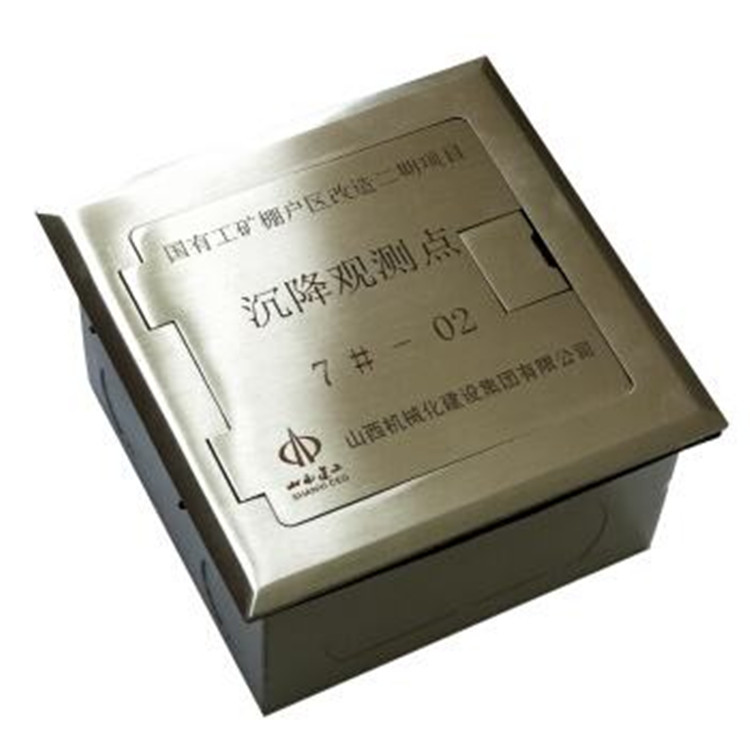
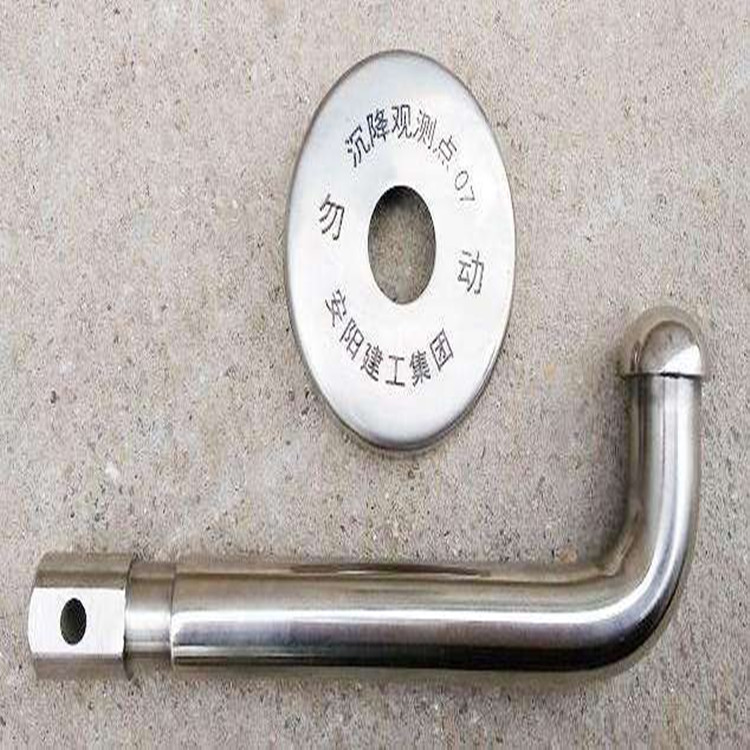

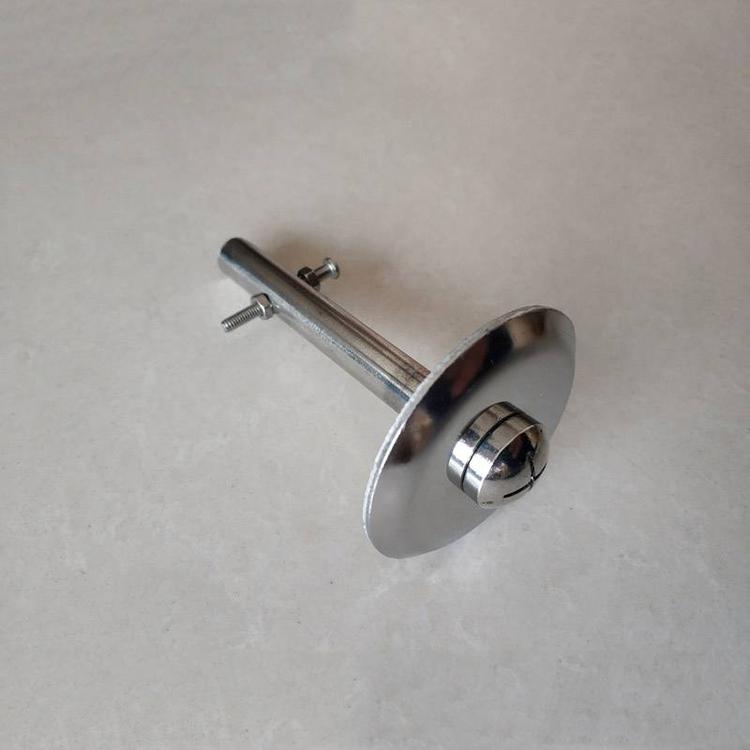
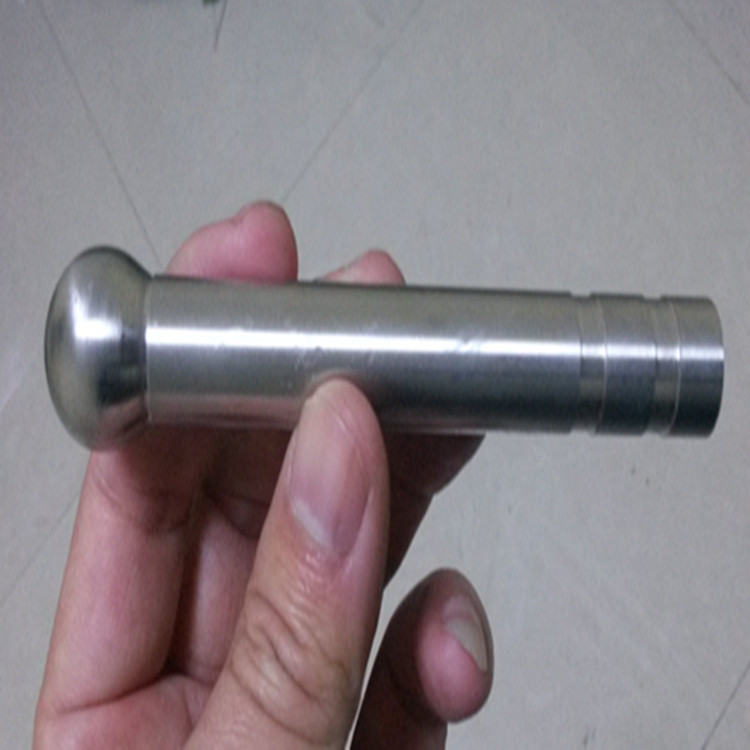
2. Density of observation points
Depends on the accuracy requirements of geological survey. In 1:50000 geological mapping, the point spacing in the exposed area of bedrock is generally 300-500m. If there is poor outcrop or little change in lithology, the point spacing can be appropriately relaxed to 800-1000m.
The density of observation points is a product of the combination of the accuracy of geological surveys and the actual geological conditions within the work area, but accuracy requirements are dominant.
3. Calibration method for observation points
Each observation route (point) should be numbered consecutively, marked on the topographic map, and recorded in detail in the field logbook. The calibration method for observation points is the same as that for sedimentary rock areas, as described in this chapter.
(2) Observation and description of observation points
The general procedure, description format, and requirements for observation point observation and research are basically the same as those for sedimentary rock areas, but the content of the observation description is different, mainly determined by the nature of the observation point.
1. Observation and description of boundary points
Including the contact boundary between rock mass and surrounding rock, as well as the contact boundary between various units or intrusive bodies within the rock mass. The former has three situations, namely intrusive contact, fault contact, and sedimentary contact; There are four types of the latter, namely, hyperactive intrusion contact, pulsating intrusion contact, surging intrusion contact, and fault contact. Before describing, it is necessary to carefully observe and determine the nature of the contact relationship based on the characteristics of the boundary line and the rocks on both sides, and then collect and record the relevant content and information in detail in the field record book.
2. Observation and description of lithological points
The description of lithological control points varies depending on the lithology being controlled, but generally should describe the color (including primary and secondary colors), structure, structure, mineral composition, production status, xenoliths and precipitates, primary flow structures (flow surfaces, streamlines), primary fracture structures, fabrics, inclusions, joints, phenocrysts, and other measurements and statistics of the rock; There are also mineralization, weathering, alteration, and formation age of rocks.
3. Observation and description of other geological points
The observation and description of structural points, mineral points, landforms, Quaternary and hydrogeological, engineering geological observation points, etc. can be found in the sedimentary rock area section of this chapter.
AfterSalesService :
Key words:- Jiangmen Observation Standard
More Products