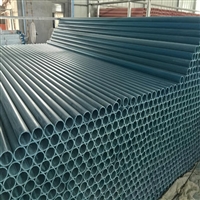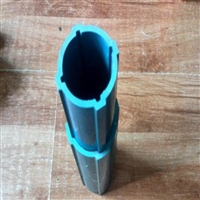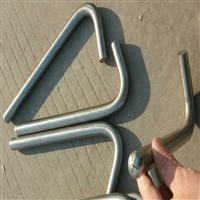
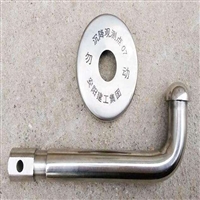
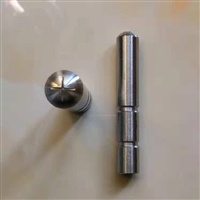
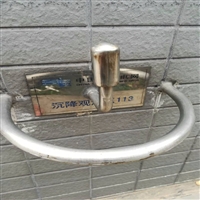
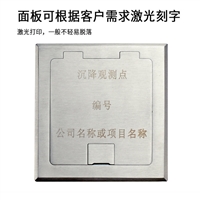
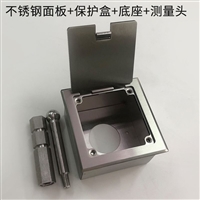
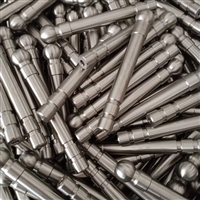
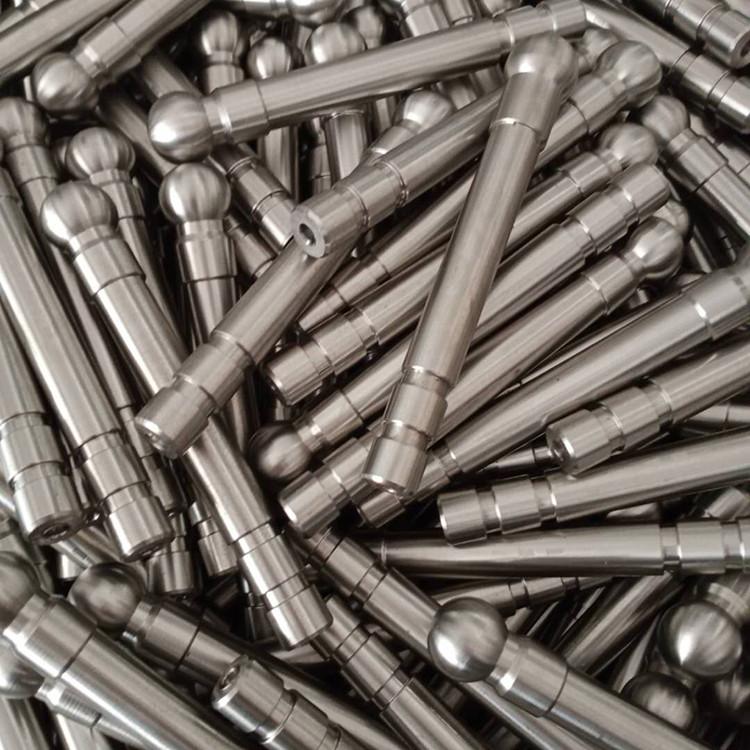
Suining observation point observation markers wholesale and retail 304-316 material observation markers
Category:
metallurgy/Stainless steel material/Stainless steel bars
Model:
Brand:
Cangzhou Shuntian
grade:
Observation standard
cross-sectional shape:
round bar
surface treatment:
glossy surface
Processing Technology:
Forging
tensile strength:
370MPa~480MPa
Processing Service:
deep processing
execution standard:
National Standard
quality grade:
A-level
Processing & Customization:
yes
Is it imported:
No
weight:
one
Scope of application:
rail transit
delivery service:
Can be delivered to the factory
Type of goods sales:
spot
Item Number:
twenty thousand one hundred and twenty
warehouse address:
Cangzhou, Hebei
warehouse phone:
fifteen billion one hundred and three million three hundred and seventy-two thousand six hundred and sixty-seven
manufacturer:
Cangzhou Shuntian Steel Pipe Co., Ltd
Retail Price
12.00USD
重量
kg
- Product Description
-
grade Observation standard
cross-sectional shape round bar
surface treatment glossy surface
Processing Technology Forging
tensile strength 370MPa~480MPa
Processing Service deep processing
execution standard National Standard
quality grade A-level
Processing & Customization yes
Is it imported No
weight one
Scope of application rail transit
delivery service Can be delivered to the factory
Type of goods sales spot
Item Number twenty thousand one hundred and twenty
warehouse address Cangzhou, Hebei
warehouse phone fifteen billion one hundred and three million three hundred and seventy-two thousand six hundred and sixty-seven
manufacturer Cangzhou Shuntian Steel Pipe Co., Ltd
Description :
The temperature in the uninhabited area of northern Tibet is around minus 10 degrees Celsius during the day, and drops to minus 25 to 30 degrees Celsius at night. The ears of the scientific expedition team members have peeled off due to freezing, and the leather shoes are always wet, causing pain in the toes and hair. Even more uncomfortable is sleeping at night, where a man who is 1.78 meters tall must curl up in a 1.3-meter Toyota Hotel car. The most reluctant and necessary thing to do is to put on shoes in the morning. At that time, the shoes were frozen hard and had to be softened with a hammer before they could be inserted into the feet. And as soon as I reached in, it felt like I had fallen into an ice hole. So the thing that happens every day after getting up is to circle around two scientific research vehicles, making the cold feet regain consciousness.


Under the navigation of a portable satellite instrument, the inspection team went through countless hardships and finally arrived at the earthquake rupture zone in the northeast corner of Lake Margaichaka, the epicenter of the Mani earthquake. As soon as the car stopped, Xu Xiwei, Cao Zhongquan, and Hou Kangming jumped off and shouted excitedly, "Surface rupture zone!" Even the two drivers quickly got off the car to take a look. They said in vivid language, "It's like a zipper pulling a big gap in the earth." In their excitement, the three scientific expedition members forgot about hunger and fatigue, and began to measure the width and displacement of the surface rupture zone, observing its geometric structural characteristics. The driver picked up the rice and prepared to light the fire to cook, but found that the water was salty. At this time, there were only 6 bottles of mineral water left in the car, and each person could only receive more than one bottle. Water was already related to the "national economy and people's livelihood" of the scientific expedition team.

The inspection work is still ongoing. Without water, it is impossible to cook and the human body cannot obtain energy supplementation. Slowly, the conversations among team members decreased until everyone stopped talking, but they still persisted in their work. On the third day, when they discovered the Shuangya River at the western end of the rupture zone, everyone who was extremely thirsty finally had water to drink and a meal to eat after reaching the earthquake zone.
Scientific research has shown that the surface rupture zone of the Mani earthquake in the uninhabited area of northern Tibet is located on the seismic fault zone on the northern edge of the Malgaichaka Lake. This generally nearly vertical fault zone is the seismogenic fault of the Mani earthquake. The surface rupture zone of the Mani earthquake is distributed along the north to east direction. It is 120 kilometers long, with a huge scale and rich phenomena, formed by a series of sinistral shear faults, ground fissures, bulges, and other oblique formations. The investigation also showed that there were two earthquakes with a magnitude of around 7.3 on the Richter scale that occurred here on June 14 and July 11, 1973. This provides scientific data for simulating experiments to determine the development trend of major earthquakes in mainland China in the future.
AfterSalesService :
Key words:- Suining observation point
More Products