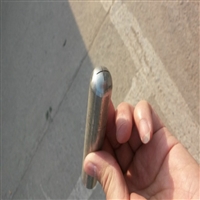
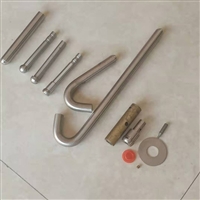


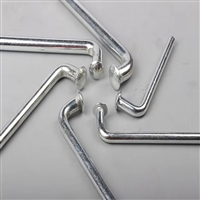
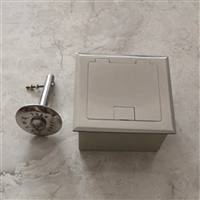
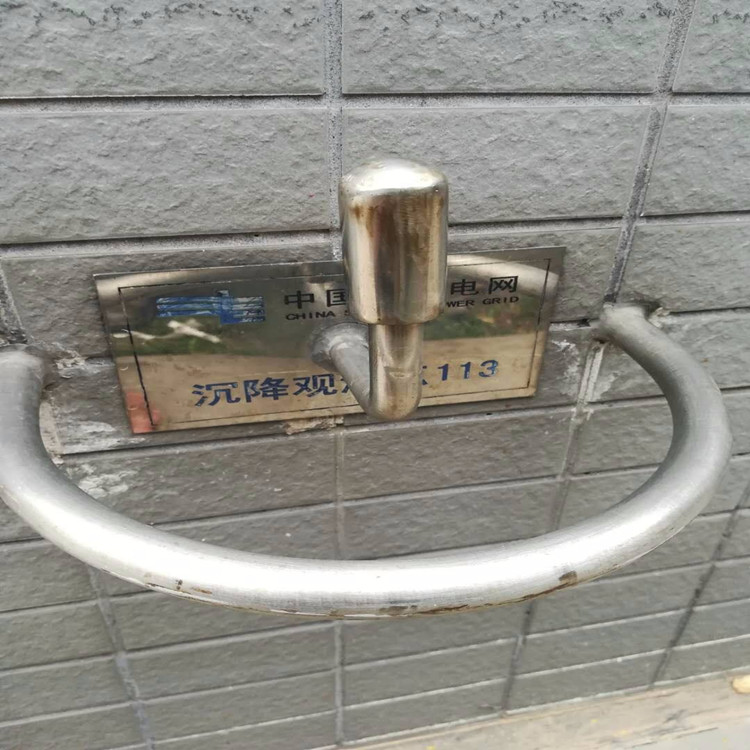
Layout steps of settlement observation points for stainless steel observation markers in Luzhou
Category:
metallurgy/Stainless steel material/Stainless steel bars
Model:
Brand:
Cangzhou Shuntian
grade:
Observation standard
cross-sectional shape:
round bar
surface treatment:
glossy surface
Processing Technology:
Forging
tensile strength:
370MPa~480MPa
Processing Service:
deep processing
execution standard:
National Standard
quality grade:
A-level
Processing & Customization:
yes
Is it imported:
No
weight:
one
Scope of application:
rail transit
delivery service:
Can be delivered to the factory
Type of goods sales:
spot
Item Number:
twenty thousand one hundred and twenty
warehouse address:
Cangzhou, Hebei
warehouse phone:
fifteen billion one hundred and three million three hundred and seventy-two thousand six hundred and sixty-seven
manufacturer:
Cangzhou Shuntian Steel Pipe Co., Ltd
Retail Price
5.00USD
重量
kg
- Product Description
-
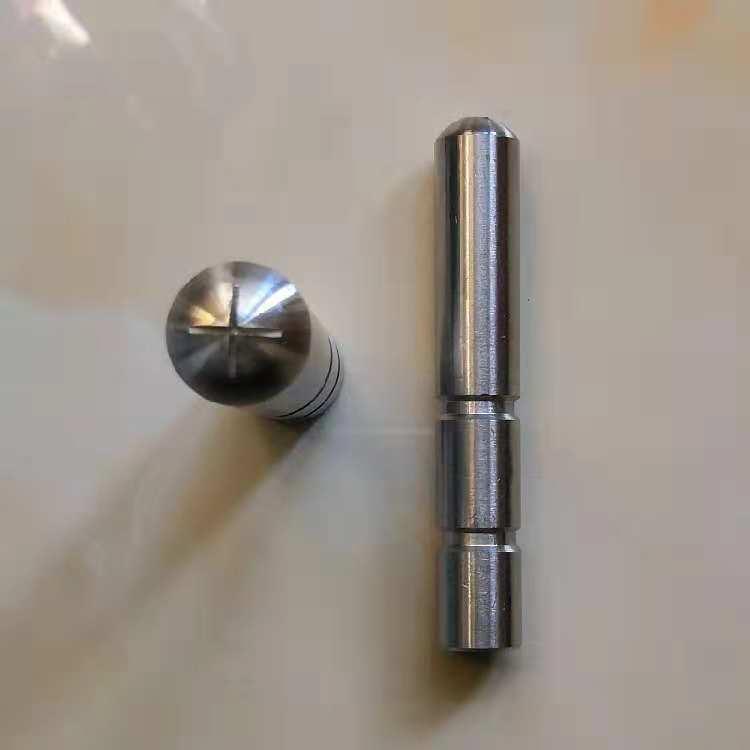
grade Observation standard
cross-sectional shape round bar
surface treatment glossy surface
Processing Technology Forging
tensile strength 370MPa~480MPa
Processing Service deep processing
execution standard National Standard
quality grade A-level
Processing & Customization yes
Is it imported No
weight one
Scope of application rail transit
delivery service Can be delivered to the factory
Type of goods sales spot
Item Number twenty thousand one hundred and twenty
warehouse address Cangzhou, Hebei
warehouse phone fifteen billion one hundred and three million three hundred and seventy-two thousand six hundred and sixty-seven
manufacturer Cangzhou Shuntian Steel Pipe Co., Ltd
Description :
Layout steps of settlement observation points for stainless steel observation markers in Luzhou
Principles for Layout of Settlement Observation Points
According to the requirements of DGJ32/J18-2006 "Observation Methods for Building Settlement" and JGJ8-2007 "Code for Deformation Measurement of Buildings", settlement observation points should be set up at locations that can comprehensively reflect the deformation characteristics of the building foundation, and small manholes should be built for protection. They should be selected at the following locations:
A、 At the four corners, major corners, and every 10-15 meters along the exterior wall or every 2-3 column bases of the building;
B、 On both sides of the intersection of high and low rise buildings, old and new buildings, longitudinal and transverse walls, with different geological conditions, load distributions, foundation types, foundation burial depths, upper structures, building cracks, post pouring belts, settlement joints, and expansion joints, as well as the boundary between artificial and natural foundations and the boundary between filling and excavation;
C、 For buildings with a width greater than or equal to 15 meters, or with a width less than 15 meters but complex geological conditions and expansive soil areas, internal wall points shall be set on the load-bearing inner partition (longitudinal) walls, as well as at the buildings, elevator shafts, and central shafts of frame, frame shear, frame tube, and tube in tube structural systems;
D、 At the four corners and middle positions of raft foundation and box foundation;
E、 Multi story masonry buildings have a vertical wall spacing of 6-10 meters at the corresponding end of the horizontal wall;
F、 On each or part of the column foundation of the frame structure building or along the axis of the longitudinal and transverse walls, as well as adjacent column foundations where significant uneven settlement may occur;
G、 The ends of high-rise buildings correspond to both horizontal and vertical directions;
H、 Adjacent to heavy objects, areas significantly affected by vibration, and hidden banks (ditches) under the foundation;
I、 The corners of heavy equipment foundations and power equipment foundations, changes in foundation form or burial depth, and changes in geological conditions on both sides;
J、 For high-rise structures such as TV towers, chimneys, water towers, oil tanks, oil refining towers, blast furnaces, etc., they should be located at symmetrical positions along the perimeter that intersect with the foundation axis, with no less than 4 points.
Layout of Settlement Observation Points
Steps for setting up settlement observation points
1. Determine the observation site
When determining the observation site, two factors should be considered first: the longevity and ease of observation of the observation point location. Nowadays, most high-rise residential buildings come with underground supporting facilities areas; Commercial buildings are required to have underground parking garages, which can provide complete settlement data for the entire construction process and achieve long-term observation. Not only is it less affected by construction (sometimes requiring close cooperation from the construction party), but it also provides a good working environment for observation work.
2. Layout points along the axis
After determining the level, points can be arranged along the axis of the building design, either at intervals of one or two depending on the size of the building (see Figure 1), or at intersections of rows (see Figure 2), and sometimes at intersections of up and down (above ground, underground). Connecting points into lines, using lines to form a network, and using the network to represent the surface, is necessary to control the entire building and provide convenience for drawing settlement curves of each point and settlement profiles of each axis.

AfterSalesService :
Key words:- Luzhou Stainless Steel Observation Standard
More Products