
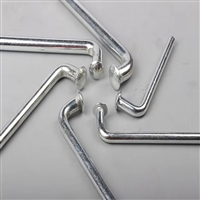
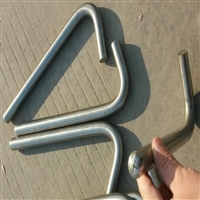
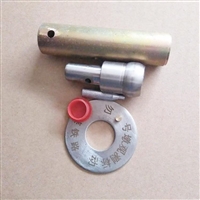
Processing and customization of observation points in Chenzhou, with high quality and low cost
Category:
metallurgy/Stainless steel material/Stainless steel bars
Model:
Brand:
Cangzhou Shuntian
grade:
Observation standard
cross-sectional shape:
round bar
surface treatment:
glossy surface
Processing Technology:
Forging
tensile strength:
370MPa~480MPa
Processing Service:
deep processing
execution standard:
National Standard
quality grade:
A-level
Processing & Customization:
yes
Is it imported:
No
weight:
one
Scope of application:
rail transit
delivery service:
Can be delivered to the factory
Type of goods sales:
spot
Item Number:
twenty thousand one hundred and twenty
warehouse address:
Cangzhou, Hebei
warehouse phone:
fifteen billion one hundred and three million three hundred and seventy-two thousand six hundred and sixty-seven
manufacturer:
Cangzhou Shuntian Steel Pipe Co., Ltd
Retail Price
12.00USD
重量
kg
- Product Description
-
grade Observation standard
cross-sectional shape round bar
surface treatment glossy surface
Processing Technology Forging
tensile strength 370MPa~480MPa
Processing Service deep processing
execution standard National Standard
quality grade A-level
Processing & Customization yes
Is it imported No
weight one
Scope of application rail transit
delivery service Can be delivered to the factory
Type of goods sales spot
Item Number twenty thousand one hundred and twenty
warehouse address Cangzhou, Hebei
warehouse phone fifteen billion one hundred and three million three hundred and seventy-two thousand six hundred and sixty-seven
manufacturer Cangzhou Shuntian Steel Pipe Co., Ltd
Description :
Processing and customization of observation points in Chenzhou, with high quality and low cost
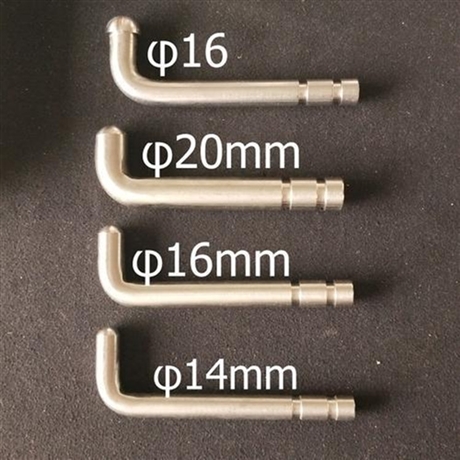
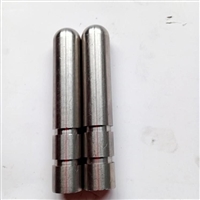
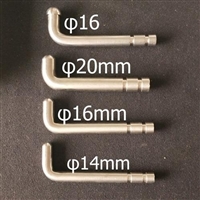
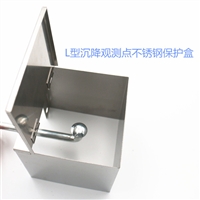
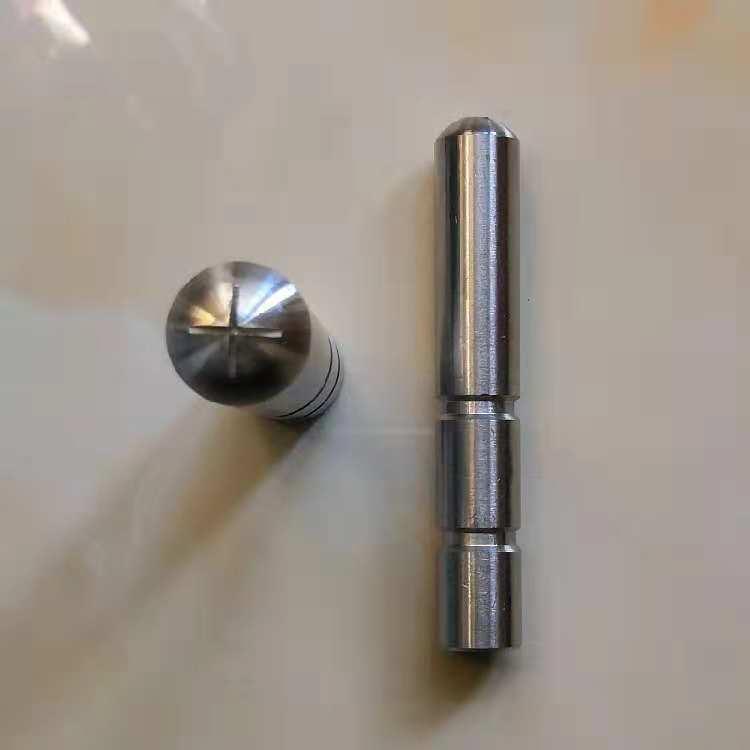
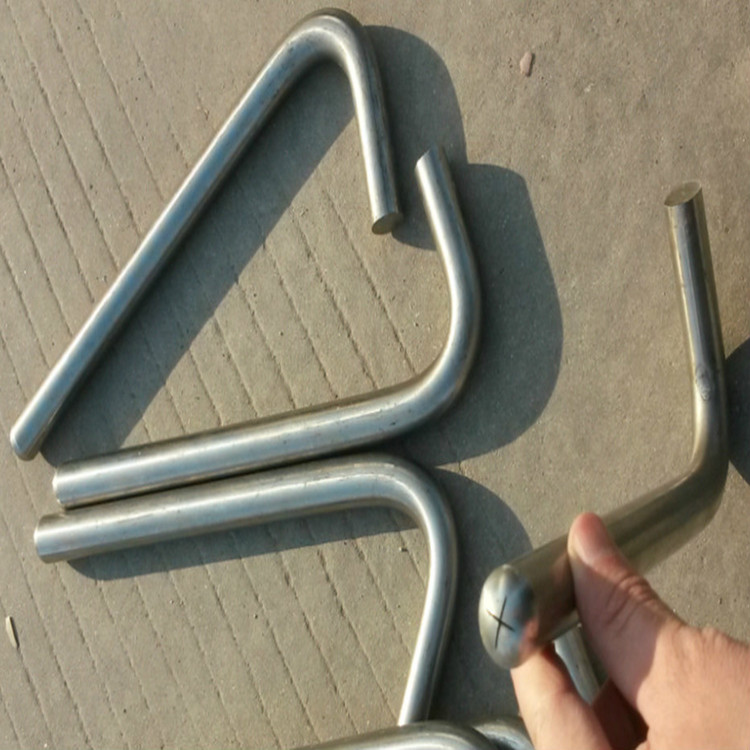
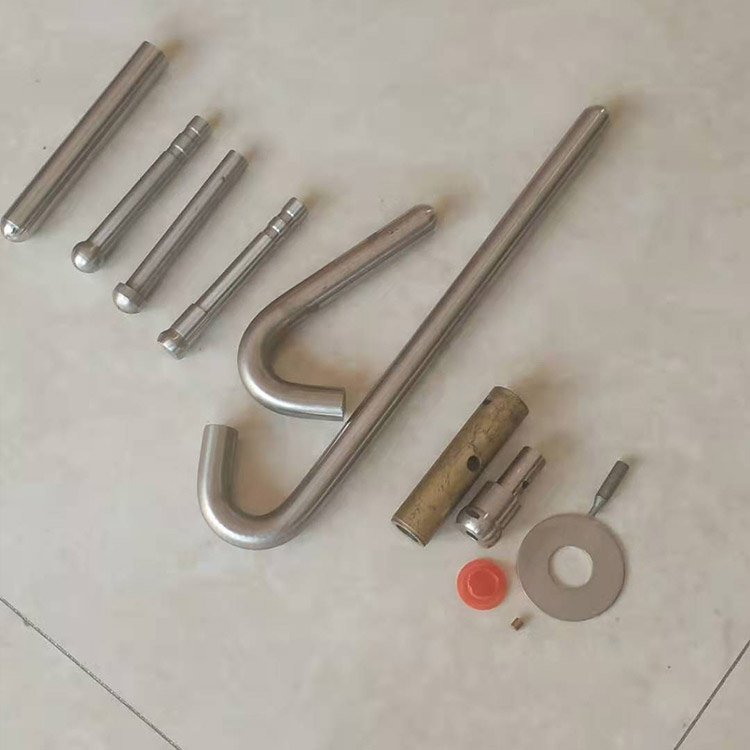
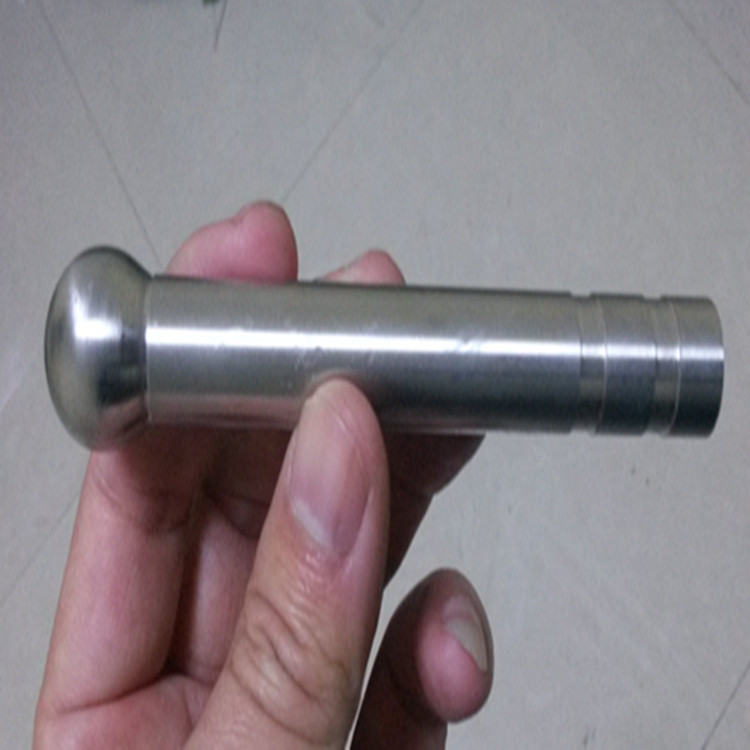
Observation points for vertical and horizontal displacement of foundation pit pile top, with a cross mark or small hole on the observation head. The price range is larger, ranging from 5-20 yuan,
The foundation pit may differ from simple settlement observation, as settlement observation points mainly include the pile top, surrounding buildings and walls, surrounding roads, surrounding pipelines, and so on. We will consider the layout conservatively because the excavation depth of the foundation pit is 7 meters, and the standard requires monitoring points to be set up 3-5 times the depth of the foundation pit on the outer wall of the pit. Therefore, we will consider setting up settlement observation points for all buildings within 35 meters of the outer wall of the foundation pit, as shown in the above figure. When setting up, we can follow the principle of setting up building settlement observation points. The common geological types of building foundations can be divided into seven types: rock, gravel soil, sandy soil, silt, cohesive soil, artificial fill soil, and special soil. In terms of construction engineering, the first five types are usually ideal as building foundations. However, for settlement observation, except for rocks, other types can cause different uniform or uneven settlements in buildings due to their different physical and mechanical properties (porosity, compression modulus, etc.). Therefore, based on the differences in rock and soil types and their physical and mechanical properties, the relative spacing and density of observation points is scientific. Especially for artificial fill and special soil, it is necessary to increase the density of the measuring points.


geological conditions
structural shape
The shape of buildings varies, and the pressure on the surface also varies, resulting in different amounts of settlement. Rectangular buildings do not need to consider shape factors because the surface is uniformly stressed (surface stress is a complex problem, and for settlement observation work, we can only consider it macroscopically). For those peculiar and irregular shaped buildings, shape factors must be considered. For example, if the shape of the building is fan-shaped, when setting up observation points, it should be considered that the observation points in areas with short latitude lines (fan handles) should be appropriately encrypted; In areas with long latitude lines, the number of observation points should be appropriately reduced.
different structures
Load factor
The density of points varies depending on the load. For overall buildings with different floors and significant differences, the distribution of point density should be based on the high and low zones of each floor, and points on lower floors should be appropriately sparse; For buildings with high floors, the points should be appropriately dense to control the overall and local settlement of the building.
Load increases
economic factors
When setting up observation points, economic factors must be considered. For example, if 8 points can control an area, 10 points should not be selected to avoid unnecessary economic waste.
AfterSalesService :
Key words:- Chenzhou Observation Standard
More Products