


Principles and methods for arranging observation points in Puyang observation markers
Category:
metallurgy/Stainless steel material/Stainless steel bars
Model:
Brand:
Cangzhou Shuntian
grade:
Observation standard
cross-sectional shape:
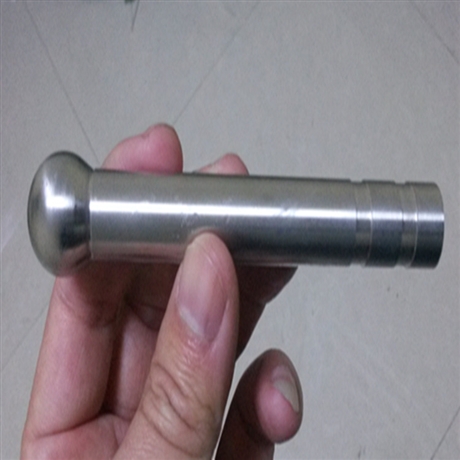
round bar
surface treatment:
glossy surface
Processing Technology:
Forging
tensile strength:
370MPa~480MPa
Processing Service:
deep processing
execution standard:
National Standard
quality grade:
A-level
Processing & Customization:
yes
Is it imported:
No
weight:
one
Scope of application:
rail transit
delivery service:
Can be delivered to the factory
Type of goods sales:
spot
Item Number:
twenty thousand one hundred and twenty
warehouse address:
Cangzhou, Hebei
warehouse phone:
fifteen billion one hundred and three million three hundred and seventy-two thousand six hundred and sixty-seven
manufacturer:
Cangzhou Shuntian Steel Pipe Co., Ltd
Retail Price
10.00USD
重量
kg
- Product Description
-
grade Observation standard
cross-sectional shape round bar
surface treatment glossy surface
Processing Technology Forging
tensile strength 370MPa~480MPa
Processing Service deep processing
execution standard National Standard
quality grade A-level
Processing & Customization yes
Is it imported No
weight one
Scope of application rail transit
delivery service Can be delivered to the factory
Type of goods sales spot
Item Number twenty thousand one hundred and twenty
warehouse address Cangzhou, Hebei
warehouse phone fifteen billion one hundred and three million three hundred and seventy-two thousand six hundred and sixty-seven
manufacturer Cangzhou Shuntian Steel Pipe Co., Ltd
Description :
Principles and methods for arranging observation points in Puyang observation markers
The Spring Festival of the Year of the Tiger is approaching, and the annual Spring Festival travel rush has also begun. This is another special Spring Festival travel rush, and going home is the sentiment of the Spring Festival in the hearts of Chinese people. However, sporadic incidents have occurred in many parts of the country this December, bringing some variables to people's journey home. The railway department has proposed to not only make it convenient for passengers to travel, but also to let them travel with peace of mind, and not let railways become a tool for communication, which has become the Spring Festival travel rush service concept for every railway person.
Firstly, passengers entering and exiting the station will undergo a "three 100%" inspection, which includes 100% temperature measurement, 100% code verification, and 100% mask wearing inspection. Some stations will require a negative certificate issued within 48 hours to enter the station and board the train according to local epidemic prevention requirements. We will focus on both transportation and epidemic prevention measures from the source.
Secondly, it is necessary to strictly implement environmental ventilation and disinfection. The key is to strengthen train ventilation and increase fresh air volume. Strictly implement preventive disinfection of station vehicles, especially focusing on disinfecting public areas such as bathrooms, door handles, buttons, and air conditioning filters to maintain a clean environment.
Strengthen the epidemic prevention management of employees once again. Adhere to health monitoring, require railway employees to wear masks and other protective equipment according to regulations, and take personal health protection measures. And establish a rapid emergency response process. Passengers with a body temperature exceeding 37.3 ℃ should be immediately isolated and observed, and handed over to local prevention and control departments for investigation. Many stations in various places have set up detection and immediate departure at the exit for the convenience of passengers. A series of two pronged measures during the Spring Festival travel rush have made passengers travel with peace of mind and peace of mind.
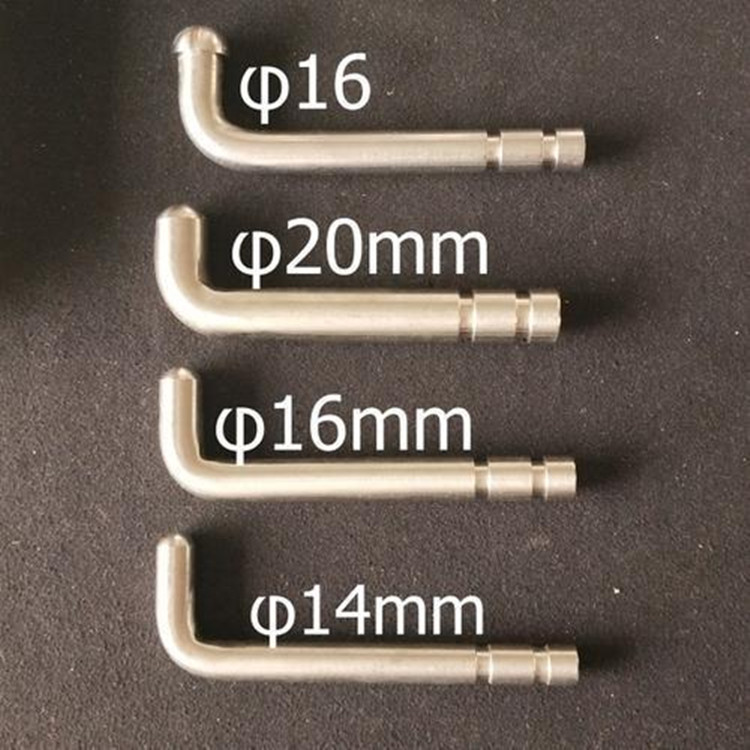
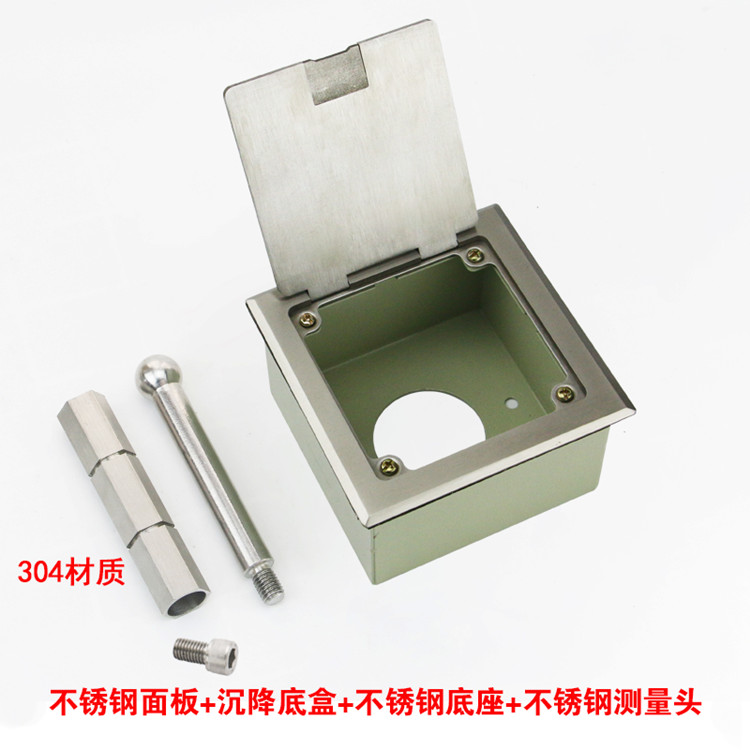
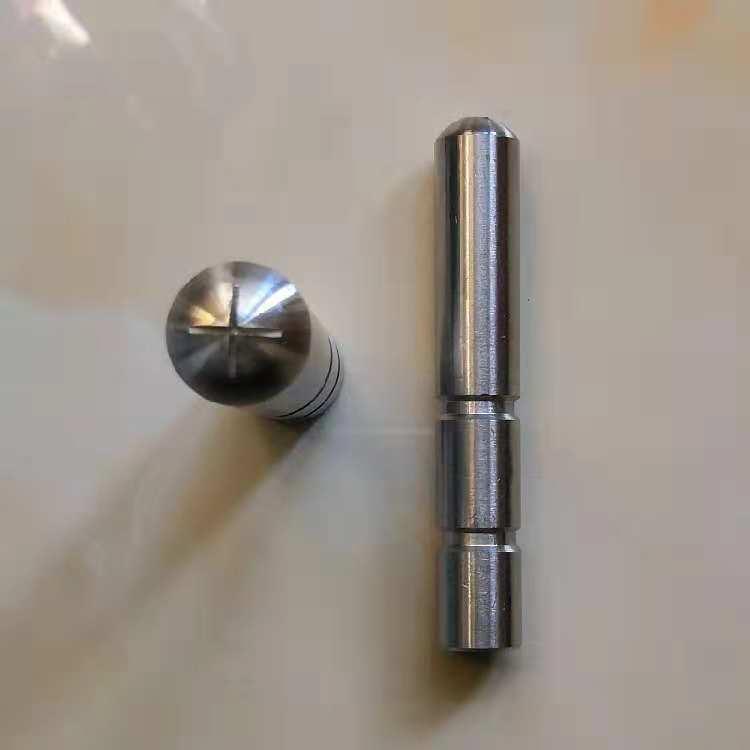
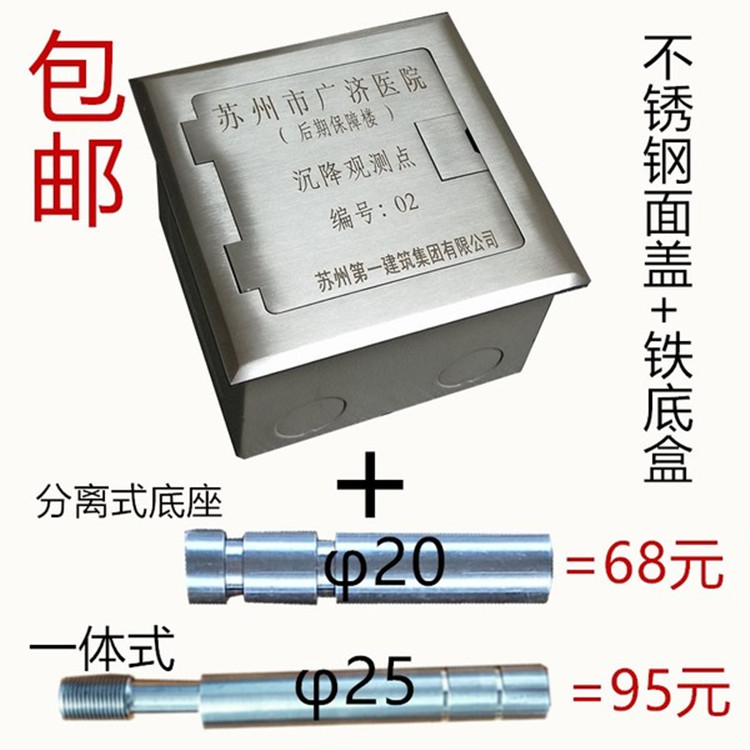
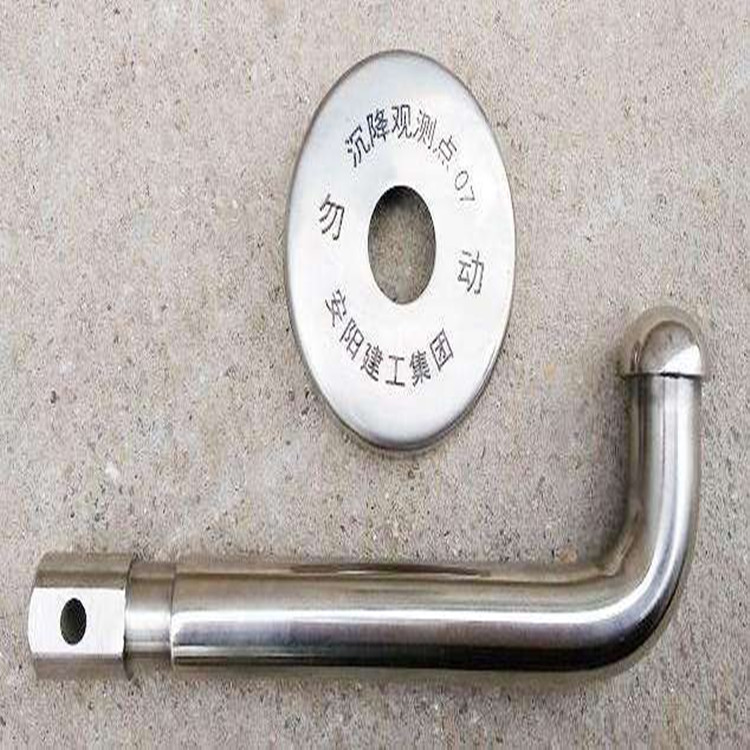

The arrangement of observation points should be based on the principle of effectively controlling various geological boundaries, geological bodies, and geological phenomena. Arranging observation points on the observation route can accurately control the spatial position of geological bodies or geological boundaries, making the recording of raw data organized and systematic, and facilitating the organization, retrieval, and verification of raw data.
6.2.1.2 Layout method of observation points
Observation points should be arranged at the boundaries of mapping units, lithological and lithological changes, fault lines, fold axes, marker layers, important fossil points, ore bearing layers and mineralized outcrops, joint and foliation measurement and statistics offices, well springs, important sample collection sites, and other meaningful geological phenomena (such as landforms, adverse geological processes, cultural relics excavation sites, etc.).
According to the function of observation points, they can be divided into control points and descriptive points. Control points are lithological observation points arranged to control mapping units with exposed widths greater than the spacing between geological points. They mainly record point locations, point characteristics, detailed and accurate rock names, special structures, and structural features. The description points are arranged at important or typical geological phenomena, such as unconformities, intrusive contacts, important top and bottom structures, facies markers, fold axes, faults, etc. The interface (line) exposed points should be observed, studied, described, recorded, sampled, sketched, and photographed in detail.
The spacing between observation points should be based on task requirements, in order to effectively control and collect sufficient geological, structural, mineral, and other geological data to meet the requirements for mapping and report writing. All mapping units (formal and informal stratigraphic units), fault lines, fold axes, and other important geological phenomena should have sufficient observation points for control. Generally arranged according to the mapping scale, the point spacing on various geological boundaries is about 1 cm on the map (1:50000 point spacing is about 500m), but for large areas of Quaternary distribution with a single genetic type and age, the point spacing (and line spacing) can be reduced by about twice. Geological bodies with a distance equal to or greater than the route spacing, and closed geological bodies with a distance greater than lcm on the map should be controlled by at least two observation points.
AfterSalesService :
Key words:- Puyang Observation Standard
More Products