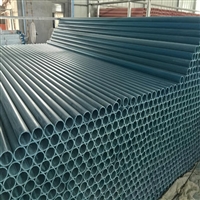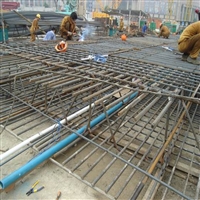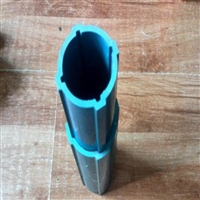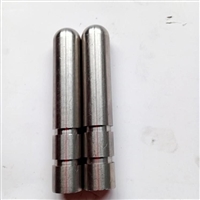
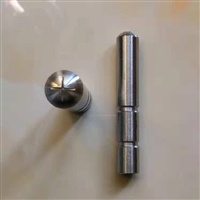
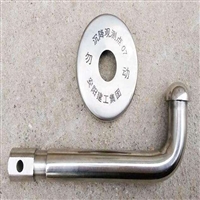
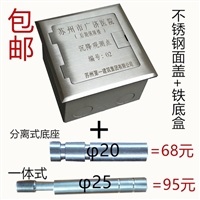
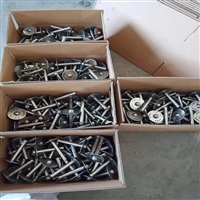


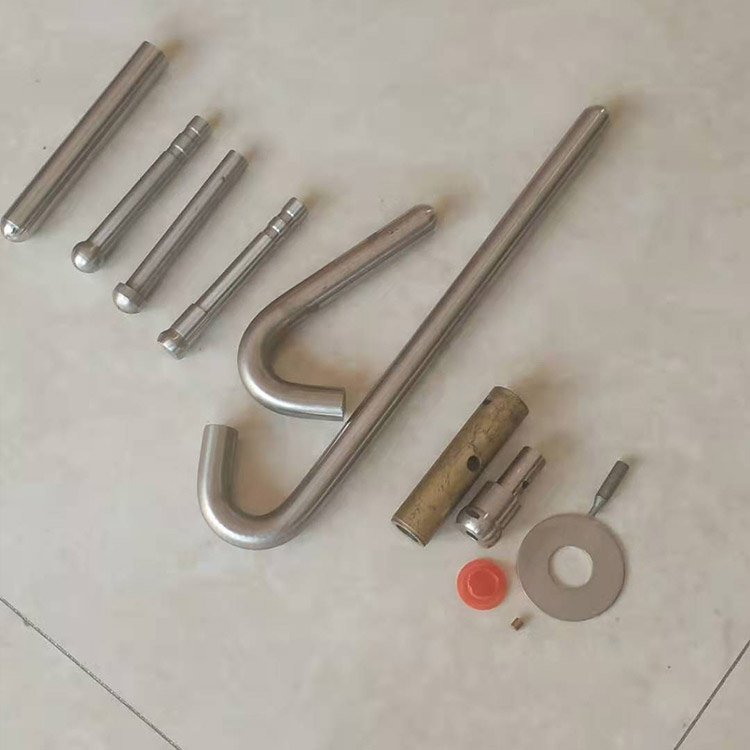
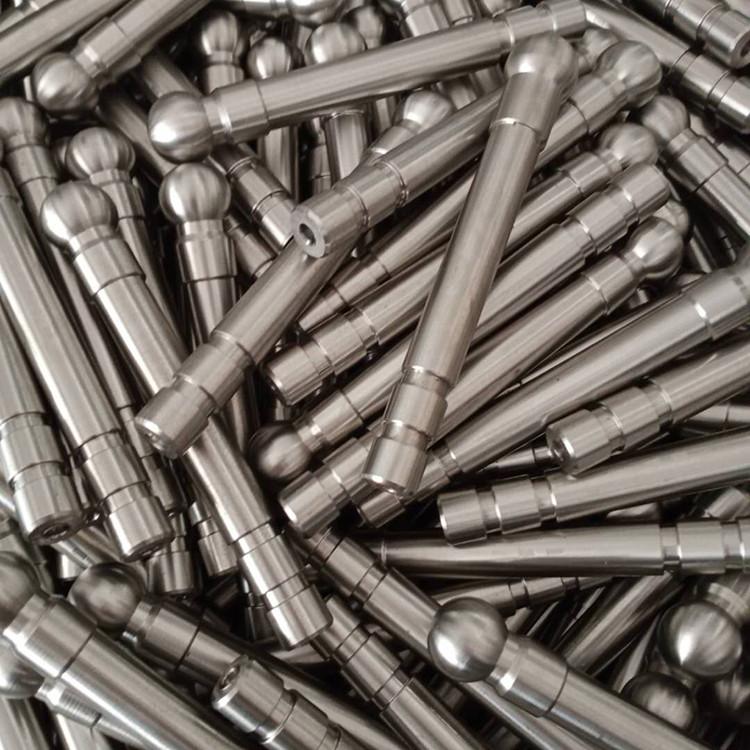
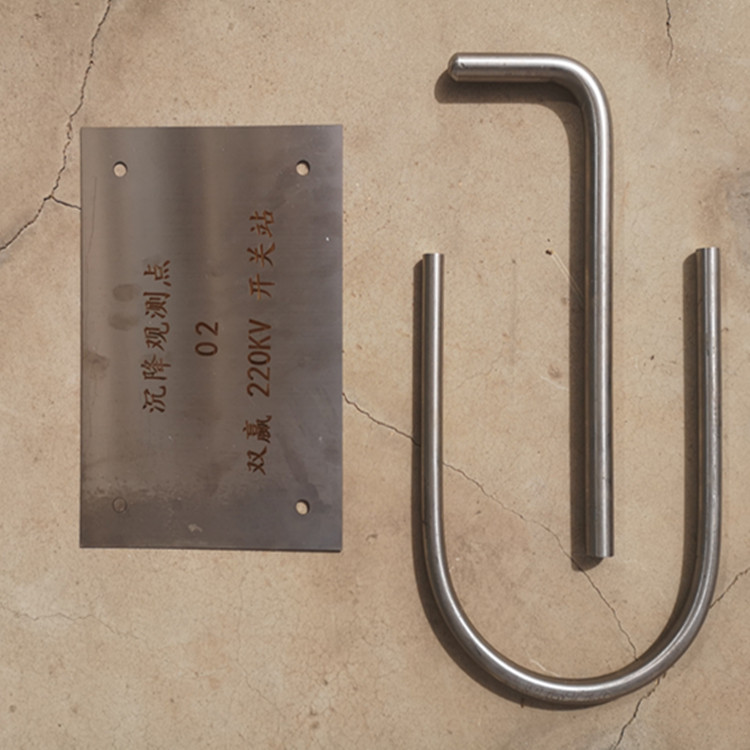
Factory price of settlement observation pile for Shuozhou settlement observation standard
Category:
metallurgy/Stainless steel material/Stainless steel bars
Model:
Brand:
Cangzhou Shuntian
grade:
Observation standard
cross-sectional shape:
round bar
surface treatment:
glossy surface
Processing Technology:
Forging
tensile strength:
370MPa~480MPa
Processing Service:
deep processing
execution standard:
National Standard
quality grade:
A-level
Processing & Customization:
yes
Is it imported:
No
weight:
one
Scope of application:
rail transit
delivery service:
Can be delivered to the factory
Type of goods sales:
spot
Item Number:
twenty thousand one hundred and twenty
warehouse address:
Cangzhou, Hebei
warehouse phone:
fifteen billion one hundred and three million three hundred and seventy-two thousand six hundred and sixty-seven
manufacturer:
Cangzhou Shuntian Steel Pipe Co., Ltd
Retail Price
7.00USD
重量
kg
- Product Description
-
grade Observation standard
cross-sectional shape round bar
surface treatment glossy surface
Processing Technology Forging
tensile strength 370MPa~480MPa
Processing Service deep processing
execution standard National Standard
quality grade A-level
Processing & Customization yes
Is it imported No
weight one
Scope of application rail transit
delivery service Can be delivered to the factory
Type of goods sales spot
Item Number twenty thousand one hundred and twenty
warehouse address Cangzhou, Hebei
warehouse phone fifteen billion one hundred and three million three hundred and seventy-two thousand six hundred and sixty-seven
manufacturer Cangzhou Shuntian Steel Pipe Co., Ltd
Description :
The frequency and time of settlement observation should be in accordance with the design requirements. Generally, the observation should be carried out in a timely manner after the observation point is securely installed. Civil buildings should be observed once every additional floor, while industrial buildings should be observed separately at different load stages; The settlement observation conducted by the construction unit during the construction period shall not be less than 4 times. The observation frequency after the completion of all buildings and structures is 4 times per year, 2 times per year in the second year, and 1 time per year after the third year, until the settlement stabilizes (determined by the relationship curve between settlement and time). The observation period is generally 2 years for sandy soil foundation, 5 years for cohesive soil foundation, and 10 years for soft soil foundation. When buildings and structures suddenly experience significant settlement, uneven settlement, or severe cracks, continuous observations should be conducted daily or every few days, and cracks should also be observed.
For the observation of cracks in buildings, reliable observation markers (such as gypsum strips, etc.) should be set up on the cracks. After observation, detailed drawings should be drawn to indicate the location, shape, and size of the cracks, and the date and number should be indicated. If necessary, take photos of cracks. The crack width can be observed with a magnifying glass.
engineering status
Using a certain floor (or elevation) as a status marker for general civil buildings; Industrial buildings are marked with different load stages as status indicators.
For each settlement observation, the settlement amount and cumulative settlement amount between adjacent observation points should be checked. If the settlement is too large or uneven, measures should be taken in a timely manner.
other
The number of each observation point in the column of observation point number should be consistent with the number in the settlement observation diagram.



The bonding problem between the first and second phase pavement layers is the key to ensuring the implementation effect of the second phase project. The quality of the treatment directly affects the success or failure of the second phase project. The treatment measures are as follows:
(1) When the design thickness of the original pavement surface layer is above 15cm, while ensuring the thickness of the anti-skid surface layer, it is recommended to control the surface layer thickness of the first phase implementation at 10cm or more to meet the minimum thickness requirement of the asphalt concrete pavement surface layer for highways as required by current regulations. (2) Ensuring the flatness of the intermediate layer is crucial. When the asphalt concrete pavement is three layers, the smoothness of the base layer has a relatively small impact on the surface layer, but when implemented in stages, the smoothness of the base layer has a relatively large impact on the surface layer smoothness index. Therefore, when implementing in stages, it is necessary to strengthen the control of the flatness and compaction indicators of each structural layer, including the roadbed, subbase, and base, to ensure that the first phase of the project has good service performance. (3) The treatment of interlayer bonding between the second phase pavement surface layer and the first phase pavement is extremely important. The following measures should be taken during the design process based on the condition and causes of the first phase pavement diseases:
① Marking removal: If the original road markings use hot-melt reflective markings, a small marking milling machine should be used to thoroughly clean the original markings;
② Treatment of road pollution: Before the construction of the second phase of the project, the original road surface should be thoroughly cleaned and washed, and large air blowers should be used to clean the debris in the gaps of the road surface before construction;
③ Treatment of grouting holes: During the transition period or the second phase of cement grouting construction, grouting holes should be treated separately to ensure the quality of the road surface;
④ Spraying adhesive layer oil: In order to better bond the new and old road surfaces, adhesive layer asphalt should be sprayed between the layers. 2.3 Setting conditions and materials for reinforcement layer
If unexpected situations such as rapid traffic growth occur and the strength of the first phase pavement structure layer is insufficient during the design verification of the second phase pavement, it is necessary to consider setting up a reinforcement layer. For the original cement concrete pavement, reinforcement layer materials include steel fiber reinforced concrete, continuous reinforced cement concrete (CRCP), and plain concrete, and the thickness of the reinforcement layer should be determined through calculation.
AfterSalesService :
Key words:- Shuozhou subsidence observation mark
More Products