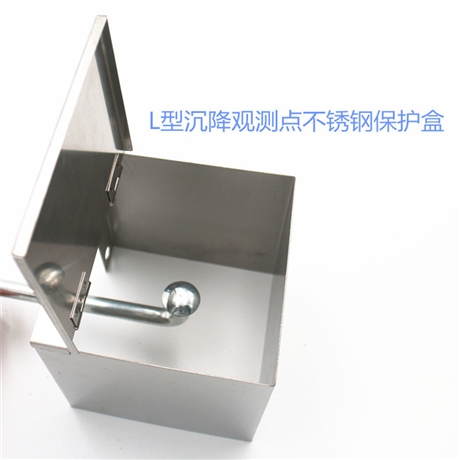

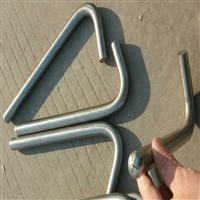
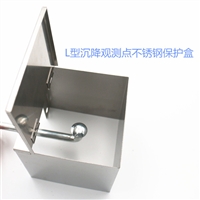
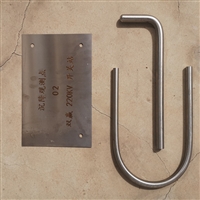


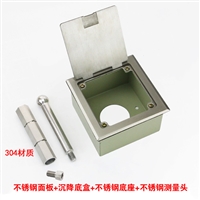

Jincheng Observation Standard Stainless Steel Observation Standard for Expressway
Category:
metallurgy/Stainless steel material/Stainless steel bars
Model:
Brand:
Cangzhou Shuntian
grade:
Observation standard
cross-sectional shape:
round bar
surface treatment:
glossy surface
Processing Technology:
Forging
tensile strength:
370MPa~480MPa
Processing Service:
deep processing
execution standard:
National Standard
quality grade:
A-level
Processing & Customization:
yes
Is it imported:
No
weight:
one
Scope of application:
rail transit
delivery service:
Can be delivered to the factory
Type of goods sales:
spot
Item Number:
twenty thousand one hundred and twenty
warehouse address:
Cangzhou, Hebei
warehouse phone:
fifteen billion one hundred and three million three hundred and seventy-two thousand six hundred and sixty-seven
manufacturer:
Cangzhou Shuntian Steel Pipe Co., Ltd
Retail Price
15.00USD
重量
kg
- Product Description
-
grade Observation standard
cross-sectional shape round bar
surface treatment glossy surface
Processing Technology Forging
tensile strength 370MPa~480MPa
Processing Service deep processing
execution standard National Standard
quality grade A-level
Processing & Customization yes
Is it imported No
weight one
Scope of application rail transit
delivery service Can be delivered to the factory
Type of goods sales spot
Item Number twenty thousand one hundred and twenty
warehouse address Cangzhou, Hebei
warehouse phone fifteen billion one hundred and three million three hundred and seventy-two thousand six hundred and sixty-seven
manufacturer Cangzhou Shuntian Steel Pipe Co., Ltd
Description :
With the development of industrial and civil construction industries, various complex and large-scale engineering buildings are increasing. The construction of engineering buildings changes the original state of the ground and exerts certain pressure on the foundation of the building, which inevitably causes deformation of the foundation and surrounding strata. In order to ensure the normal service life and safety of buildings, and to provide reliable data and corresponding settlement parameters for future survey, design, and construction, the necessity and importance of building settlement observation have become increasingly apparent. The current regulations also stipulate that settlement observations must be conducted on high-rise buildings, towering structures, important ancient buildings, foundations of continuous production facilities, foundations of power equipment, landslide monitoring, etc. Especially in the construction process of high-rise buildings, settlement observation should be applied to strengthen process monitoring, guide reasonable construction procedures, prevent uneven settlement during the construction process, provide timely feedback information, and provide detailed first-hand information for the survey, design, and construction departments to avoid damage to the main structure of the building or cracks that affect the functional use of the structure caused by settlement, resulting in huge economic losses.
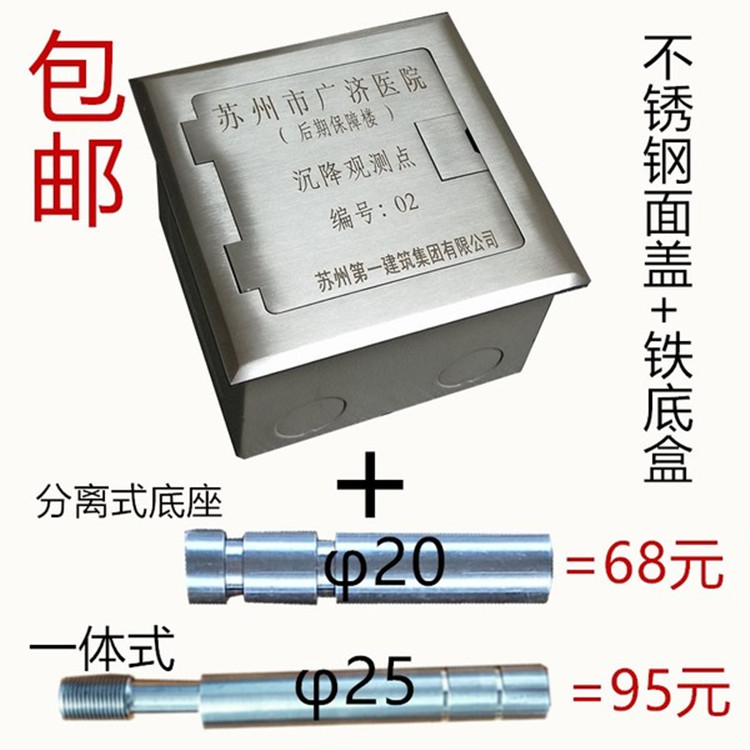
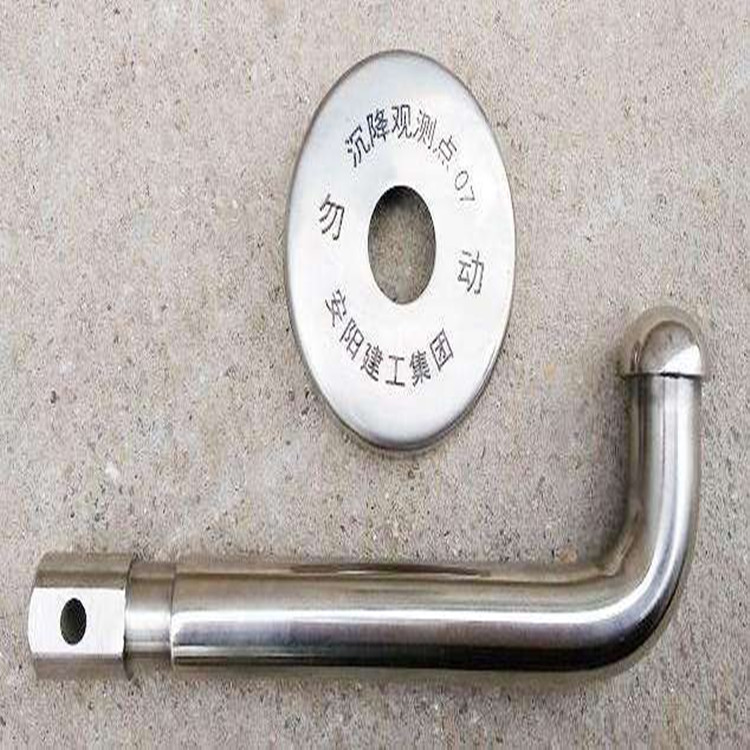
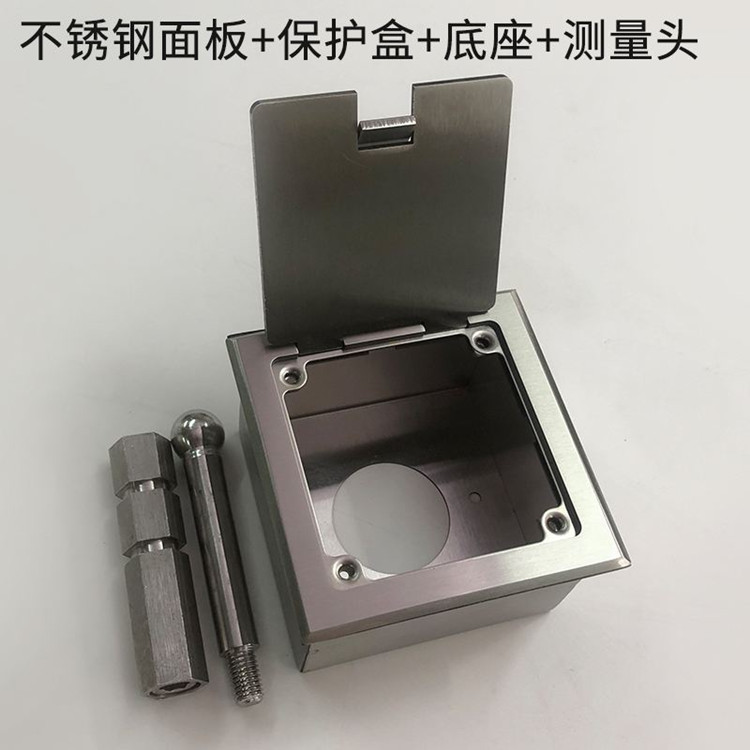
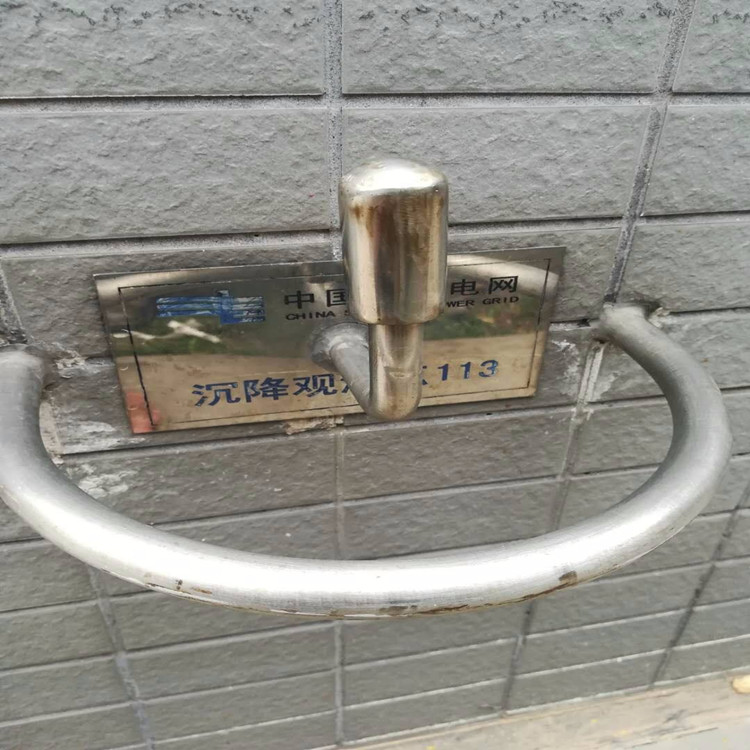


The pavement surface layer of the first phase of the project should be relatively thin, also known as the "transitional pavement". When determining the first phase pavement structure, the following factors should be considered:
(1) Ground settlement amount. The magnitude of settlement during the transition period is the fundamental factor determining the pavement structure during the transition period. If the settlement is small, a pavement structure close to its service life can be selected; On the contrary, selecting a pavement structure that meets the cumulative equivalent axle count during the transition period is sufficient. (2) Recent cumulative traffic volume. The recent cumulative traffic volume refers to the cumulative number of standard axle loads that the road surface will bear during the transitional period. The first phase pavement structure should be designed and verified based on the recent cumulative traffic volume. The appropriate time range for the transition period is 3-7 years. If it is less than 3 years, it has no practical significance, and if it is greater than 7 years, it may lead to excessive investment in the first phase of road surface. (3) The minimum thickness of the pavement structure layer. The minimum thickness of pavement structural layers refers to the design minimum thickness and construction thickness of each structural layer. During the second phase of construction, the thickness of each structural layer should meet the minimum thickness requirement without excavating the original pavement structure thickness or only excavating the transitional pavement surface layer.
AfterSalesService :
Key words:- Jincheng Observation Target
More Products