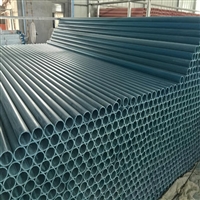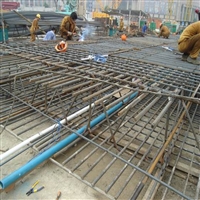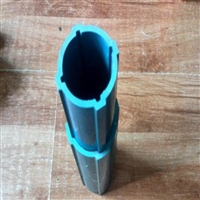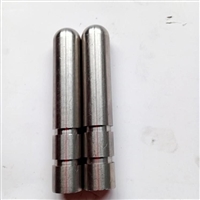
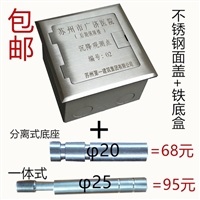
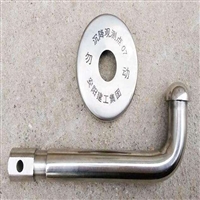
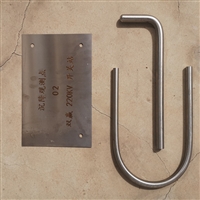
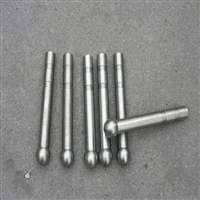
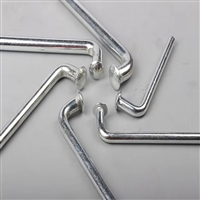
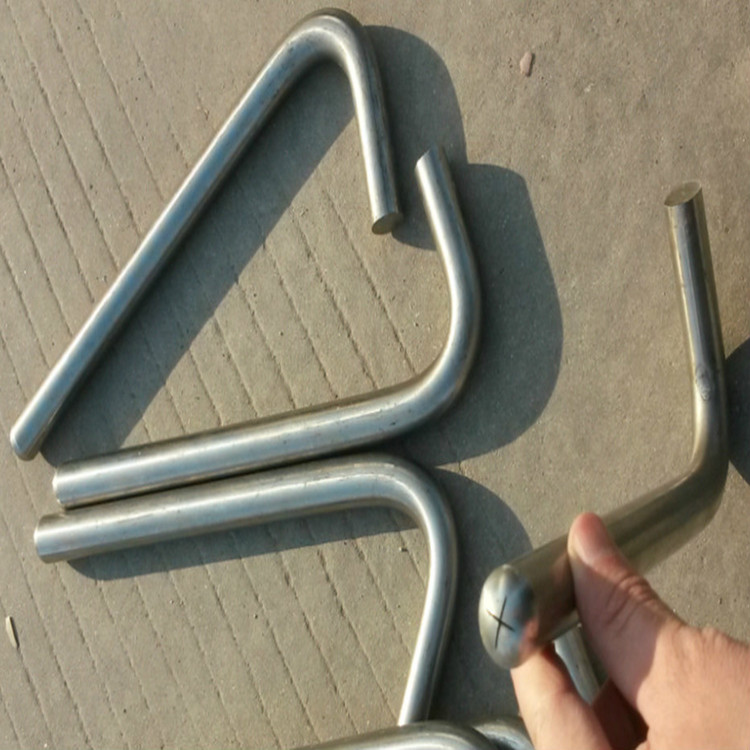
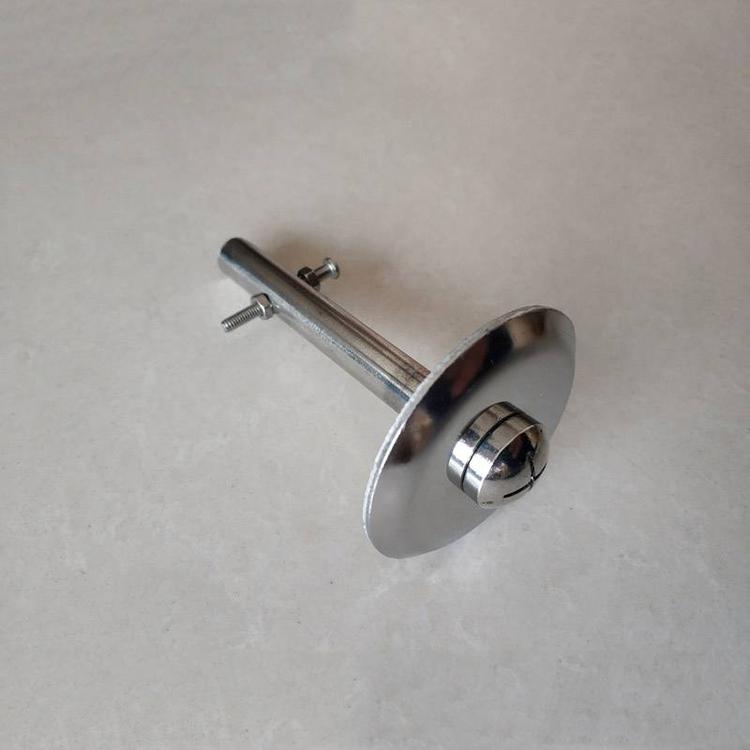
Quotation for settlement observation nail of Wuwei 304 stainless steel observation standard
Category:
metallurgy/Stainless steel material/Stainless steel bars
Model:
Brand:
Cangzhou Shuntian
grade:
Observation standard
cross-sectional shape:
round bar
surface treatment:
glossy surface
Processing Technology:
Forging
tensile strength:
370MPa~480MPa
Processing Service:
deep processing
execution standard:
National Standard
quality grade:
A-level
Processing & Customization:
yes
Is it imported:
No
weight:
one
Scope of application:
rail transit
delivery service:
Can be delivered to the factory
Type of goods sales:
spot
Item Number:
twenty thousand one hundred and twenty
warehouse address:
Cangzhou, Hebei
warehouse phone:
fifteen billion one hundred and three million three hundred and seventy-two thousand six hundred and sixty-seven
manufacturer:
Cangzhou Shuntian Steel Pipe Co., Ltd
Retail Price
7.00USD
重量
kg
- Product Description
-
grade Observation standard
cross-sectional shape round bar
surface treatment glossy surface
Processing Technology Forging
tensile strength 370MPa~480MPa
Processing Service deep processing
execution standard National Standard
quality grade A-level
Processing & Customization yes
Is it imported No
weight one
Scope of application rail transit
delivery service Can be delivered to the factory
Type of goods sales spot
Item Number twenty thousand one hundred and twenty
warehouse address Cangzhou, Hebei
warehouse phone fifteen billion one hundred and three million three hundred and seventy-two thousand six hundred and sixty-seven
manufacturer Cangzhou Shuntian Steel Pipe Co., Ltd
Description :
In December 2021, the steel market presented a situation of "strong raw materials and weak finished products", but there was no trend in both raw materials and finished products, and steel prices continued to fluctuate weakly within a certain range. Entering January of this year, the market has obvious off-season characteristics, with a slowdown in trading volume, shipment volume, purchasing enthusiasm, and pace. With the rise in iron ore prices and the strengthening of "double coke" (coking coal, coke), steel companies' profits have declined. Due to the early start of this year's Spring Festival and limited market availability in January, the characteristic of "having a price but no market" will become more apparent as demand continues to shrink. At present, the steel market has three obvious characteristics: raw materials are stronger than finished products, stronger than finished products, and market demand is weak. With the gradual introduction of winter storage policies, the market has gained a certain understanding of the pricing and bottom line of steel enterprises. At present, the shipment of winter storage resources by steel enterprises is better than expected, and steel enterprises in Shanxi and other places have good orders. They plan to raise the price of winter storage resources again, which has led to a stable increase in steel prices after New Year's Day. However, considering the lack of demand support, it is expected that the steel market will have difficulty forming a unilateral trend market. The recent resumption of production is only temporary. According to industry statistics, in the first week of December 2021, the weekly production of the five major steel varieties increased by 190000 tons, while the apparent consumption decreased by 350000 tons. In the first week of January this year, the weekly production of the five major steel varieties continued to increase, but still decreased compared to the average production in November 2021. Compared with the same period last year, the production of the five major steel varieties decreased by about 1.24 million tons. In the short term, resuming production is only a temporary release after the completion of the 2021 crude steel production reduction task, with limited room for actual increase in production. With the production restrictions in northern regions brought about in February this year and steel companies undergoing maintenance during the Spring Festival,

 It is expected that steel production will not achieve rapid growth before the end of March this year, and the production of molten iron in the first quarter of this year will remain relatively low. In the long run, the control of crude steel production capacity will run through the entire 14th Five Year Plan period. The recently released "14th Five Year Plan for the Development of Raw Material Industry" clearly states that during the 14th Five Year Plan period, the production capacity of key raw material products such as crude steel and cement will only decrease without increasing, and the utilization rate of production capacity will be maintained at a reasonable level. The author believes that this is conducive to achieving supply-demand balance after steel consumption reaches its peak and falls back. The year-on-year inventory of steel is still relatively low. As the Spring Festival approaches, downstream construction sites are slowing down, and steel trading volume and apparent consumption have entered a downward channel, leading to an increase in steel inventory. From the end of December 2021 to the first week of January this year, both the inventory of rebar enterprises and social inventory increased, but it still decreased by about 1.25 million tons compared to last year, and the inventory pressure was not significant. In terms of total quantity, except for the impact in 2020, the time when steel inventory began to increase this year is 2 to 3 weeks later than from 2017 to 2019. By the end of December 2021, the weekly production of rebar had been below 2.8 million tons for 8 consecutive weeks and below 2.7 million tons for 2 consecutive weeks. Based on this calculation, by the end of February and early March this year, the total inventory level of rebar will still be lower than the same period last year. After the Spring Festival, when demand recovers, low inventory is more favorable for steel prices to rise. Profit is still expected to shrink. With the gradual resumption of blast furnace production in Tangshan, Hebei recently, the price of coke has started its first round of adjustment this year, and the gross profit per ton of steel may be compressed. At present, the immediate profit of rebar is 626 yuan/ton, and the immediate profit of hot-rolled coil is 551 yuan/ton. The overall gross profit level is moderate to high. Driven by weak demand reality, steel companies continuing to resume production, and raw material stocking and replenishment, there is still an expectation of profit contraction. Demand faces uncertain factors. In response to this year's peak season demand, although there is an expectation of infrastructure moving forward, there are still many uncertainties in the real estate sector. If the marginal relaxation of real estate continues to be reflected and the demand for infrastructure is released ahead of schedule, then demand will be rapidly released after this year's two sessions, and there will be a concentrated outbreak in the short term, which is expected to stage a strong spring market. But if the total amount of real estate continues to decline, the overall construction of infrastructure is slow, and demand is released less than expected, then steel prices will be under pressure. However, overall, the bottoming out effect of real estate policies is evident, and the market will experience a transition from policy bottoming out to fundamental bottoming out before and after the Spring Festival. The macro environment is favorable for the operation of the steel market. Recently, more than 10 ministries and commissions including the National Development and Reform Commission, the Ministry of Industry and Information Technology, and the Ministry of Finance have successively held annual work meetings to deploy the work for 2022. The fiscal policy for 2022 will mainly focus on three aspects: first, new tax reduction and fee reduction policies to support the development of the real economy and optimize the income distribution structure; Secondly, accelerate the progress of fiscal expenditure while curbing the increase of implicit debt; Thirdly, we should manage and make good use of special bonds, and moderately advance infrastructure investment. In 2022, monetary policy will mainly complement fiscal policy and industrial policy to support infrastructure investment. One key focus of the real estate industry is to guide market expectations to remain stable, and curbing investment speculation is the policy bottom line; One major highlight is to increase support for the rental market and affordable housing.
AfterSalesService :
Key words:- Wuwei 304 stainless steel observation standard
More Products