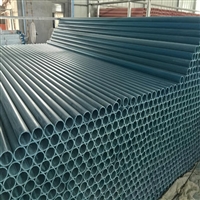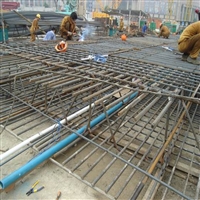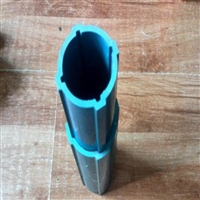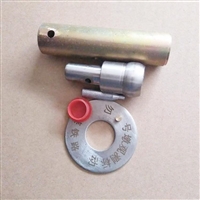
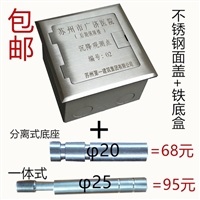
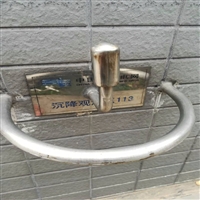
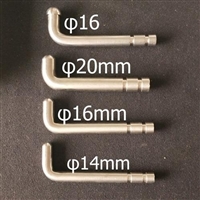
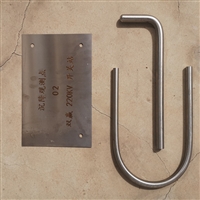
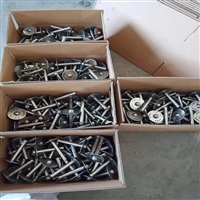
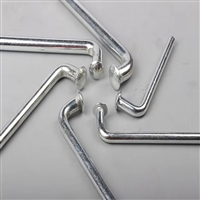
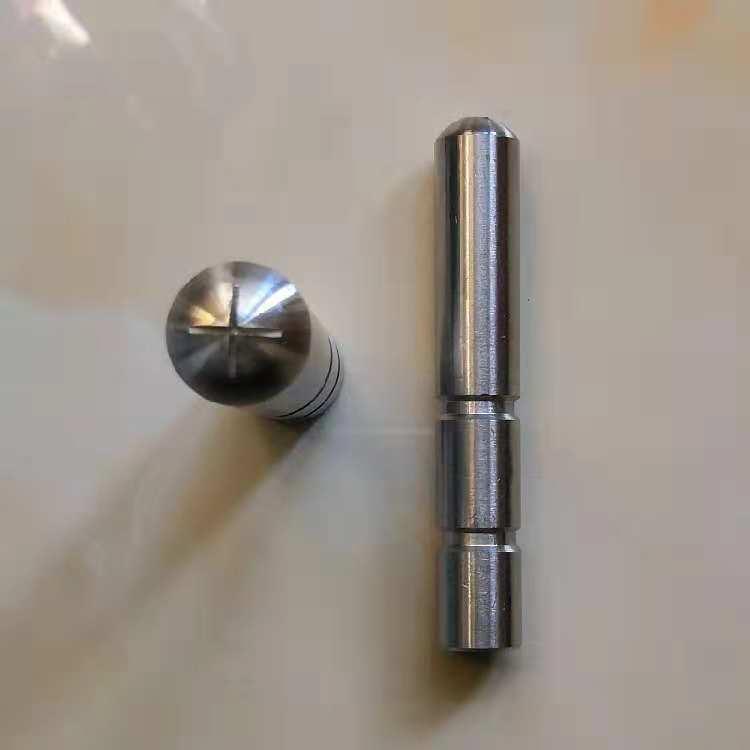
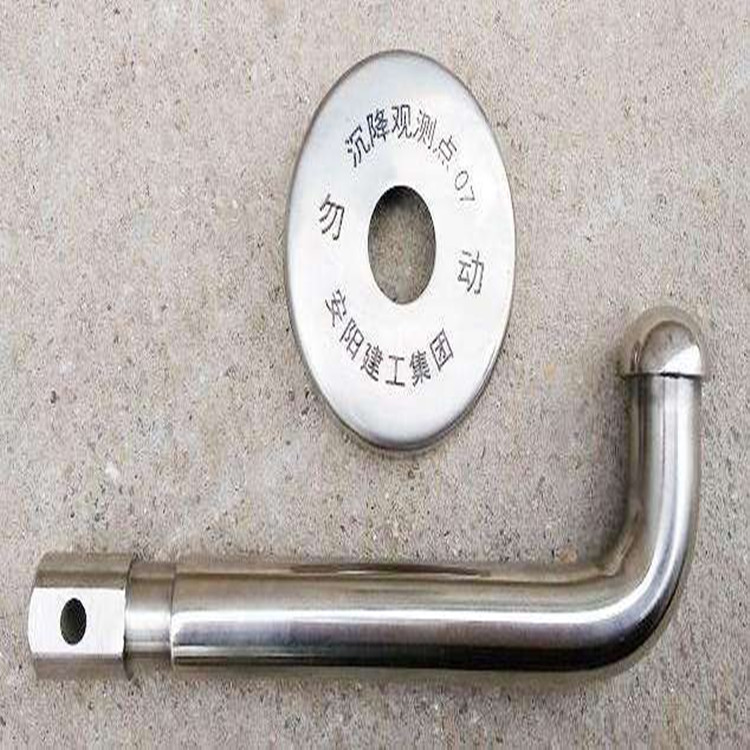
The role of settlement observation points for Nanchang observation markers
Category:
metallurgy/Stainless steel material/Stainless steel bars
Model:
Brand:
Cangzhou Shuntian
grade:
Observation standard
cross-sectional shape:
round bar
surface treatment:
glossy surface
Processing Technology:
Forging
tensile strength:
370MPa~480MPa
Processing Service:
deep processing
execution standard:
National Standard
quality grade:
A-level
Processing & Customization:
yes
Is it imported:
No
weight:
one
Scope of application:
rail transit
delivery service:
Can be delivered to the factory
Type of goods sales:
spot
Item Number:
twenty thousand one hundred and twenty
warehouse address:
Cangzhou, Hebei
warehouse phone:
fifteen billion one hundred and three million three hundred and seventy-two thousand six hundred and sixty-seven
manufacturer:
Cangzhou Shuntian Steel Pipe Co., Ltd
Retail Price
7.00USD
重量
kg
- Product Description
-
grade Observation standard
cross-sectional shape round bar
surface treatment glossy surface
Processing Technology Forging
tensile strength 370MPa~480MPa
Processing Service deep processing
execution standard National Standard
quality grade A-level
Processing & Customization yes
Is it imported No
weight one
Scope of application rail transit
delivery service Can be delivered to the factory
Type of goods sales spot
Item Number twenty thousand one hundred and twenty
warehouse address Cangzhou, Hebei
warehouse phone fifteen billion one hundred and three million three hundred and seventy-two thousand six hundred and sixty-seven
manufacturer Cangzhou Shuntian Steel Pipe Co., Ltd
Description :
From the recently announced steel production capacity replacement plan, it can be seen that the newly built steelmaking capacity is around 30 million tons, of which the electric furnace steelmaking capacity exceeds 15 million tons, accounting for more than 50%, which means that more enterprises choose short process steelmaking processes. Undoubtedly, the construction of carbon emission systems across the country and the introduction of the 2030 "carbon peak" action plan will create conditions for steel companies to use more scrap steel and less iron ore. In 2022, it is expected that the demand for iron ore by steel companies will weaken again, and a significant increase in iron ore market prices is unlikely to occur in the later period. In the medium to long term, "carbon peak" and "carbon neutrality" will continue to be negative factors in the release of production capacity in the steel industry, directly affecting the demand for iron ore. In short, the bearish factors in the iron ore market have not disappeared, and there is no driving force to support a significant increase in its price. Experts point out that in the medium to long term, without significant changes in iron ore supply and demand, there is no basis for a significant increase in iron ore prices.

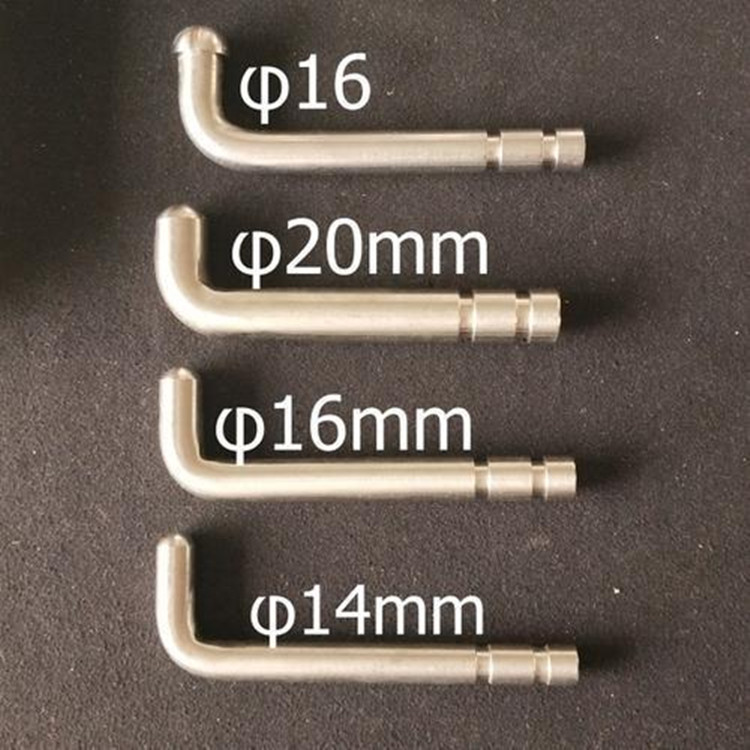
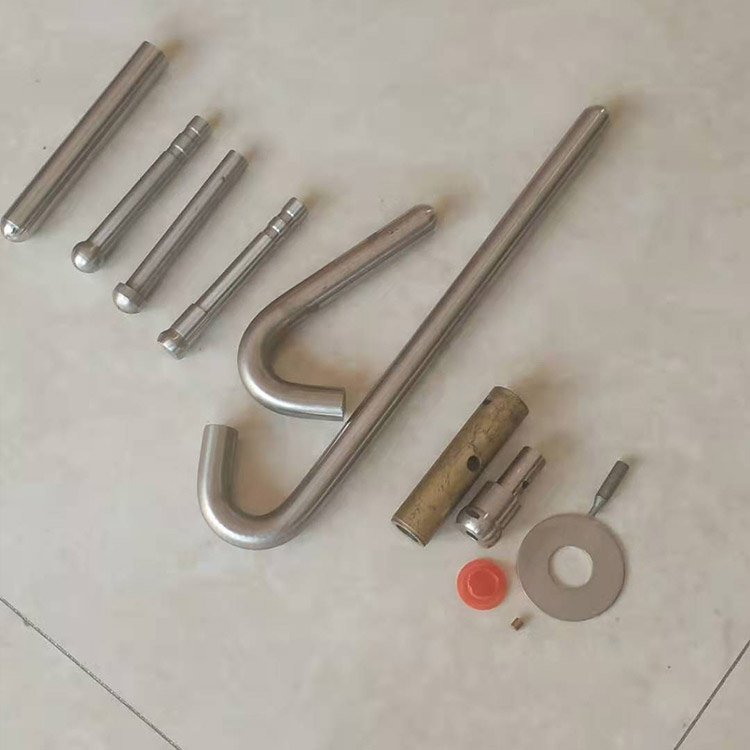

If the price of iron ore is in the range of $80/ton to $100/ton, it is relatively reasonable; Exceeding $100/ton is not supported by fundamental or demand factors; If the price drops below $80/ton, some high cost mines may exit the market, causing the market supply to tend towards balance. However, some industry insiders believe that predicting the trend of the iron ore market in early 2022 also requires attention to the impact of changes in the refined oil, fuel oil, thermal coal markets, and shipping markets on the price of the iron ore market. In 2021, global energy supplies such as oil, natural gas, refined oil, coal, and electricity were tight, with low inventories and significant price increases, with an average year-on-year increase of over 30%. Some energy product prices doubled or multiplied, resulting in a significant increase in transportation costs from sea to land. The shortage of transportation capacity is increasing, the supply and demand relationship of ocean transportation is tense, and freight rates are soaring. According to relevant data, global dry bulk shipping prices (BDI) have been on the rise in 2021, breaking through 5600 points in October, a threefold increase from around 1400 points at the beginning of 2021, reaching a new high in 13 years. It is expected that in 2022, sea freight costs will remain high and even experience new increases. On December 9th, the Baltic Dry Index (BDI) closed at 3343 points, up 228 points or 7.3% from the same period last year. On December 8th, the coastal metal ore freight rate index closed at 1377.82 points. At present, the sea freight prices continue to rebound, and it is expected that the BDI index will continue to fluctuate upwards in the short term. Industry insiders believe that at least by early 2022, the global "energy shortage" will be difficult to completely alleviate. The high sea freight prices and rising overseas energy prices will have a certain impact on the market prices of iron ore.
AfterSalesService :
Key words:- Nanchang Observation Standard
More Products