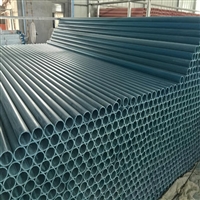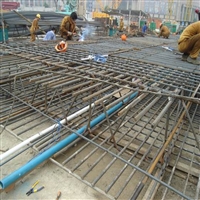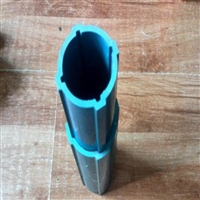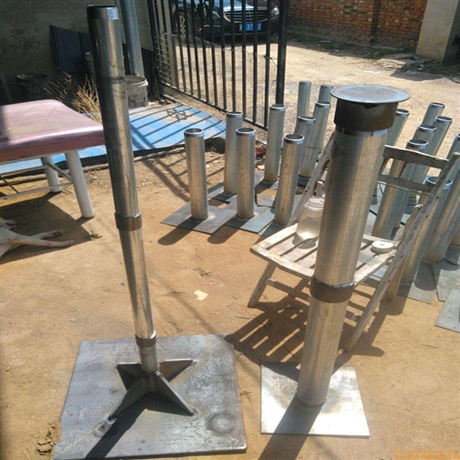

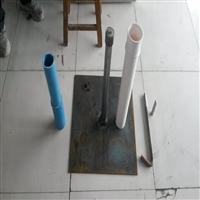
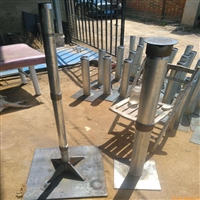
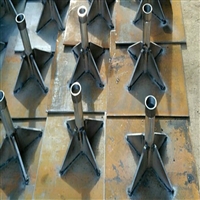
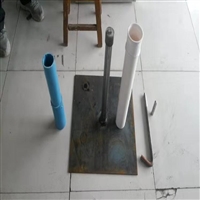
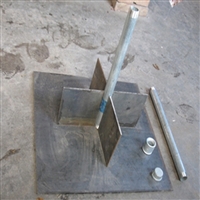
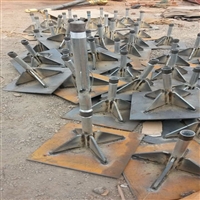
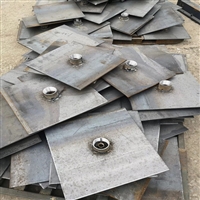
Lhasa settlement board, roadbed settlement board specifications and functions
Category:
metallurgy/Steel plate/steel plate
Model:
complete
Brand:
Shun Tian
brand:
Shun Tian
model:
complete
material:
p235
Specifications:
400-500
purpose:
settlement observation
Processing & Customization:
yes
Is it imported:
No
Product Features:
Easy construction
Place of Origin:
Hebei
Retail Price
60.00USD
重量
kg
- Product Description
-
brand Shun Tian
model complete
material p235
Specifications 400-500
purpose settlement observation
Processing & Customization yes
Is it imported No
Product Features Easy construction
Place of Origin Hebei
Description :
Lhasa settlement board, roadbed settlement board specifications and functions
During the construction and operation of railways, deformation measurements should be conducted on the railway and its ancillary buildings according to the requirements of the design documents. The content of deformation measurement includes vertical displacement monitoring and horizontal displacement monitoring of roadbeds, culverts, bridges, tunnels, stations, as well as high slopes and landslide areas on both sides of roads. The frequency of deformation monitoring should be designed based on factors such as monitoring purpose, magnitude of deformation, and deformation rate. Before laying the track (bed), a systematic analysis should be conducted to confirm that the settlement and deformation of the railway project meet the design requirements after construction. According to the requirements of the "Technical Regulations for Settlement and Deformation Observation of Railway Engineering" (Q/CR9230-2016), settlement and deformation observation is required for the roadbed, bridges, culverts, and tunnels of newly built ballastless tracks and ballasted track railways with a design speed of 200 kilometers per hour or above; The roadbed for special sections such as soft soil and loose soil on ballasted tracks with a design speed of less than 200 kilometers per hour can refer to the "Technical Regulations for Settlement and Deformation Observation of Railway Engineering".

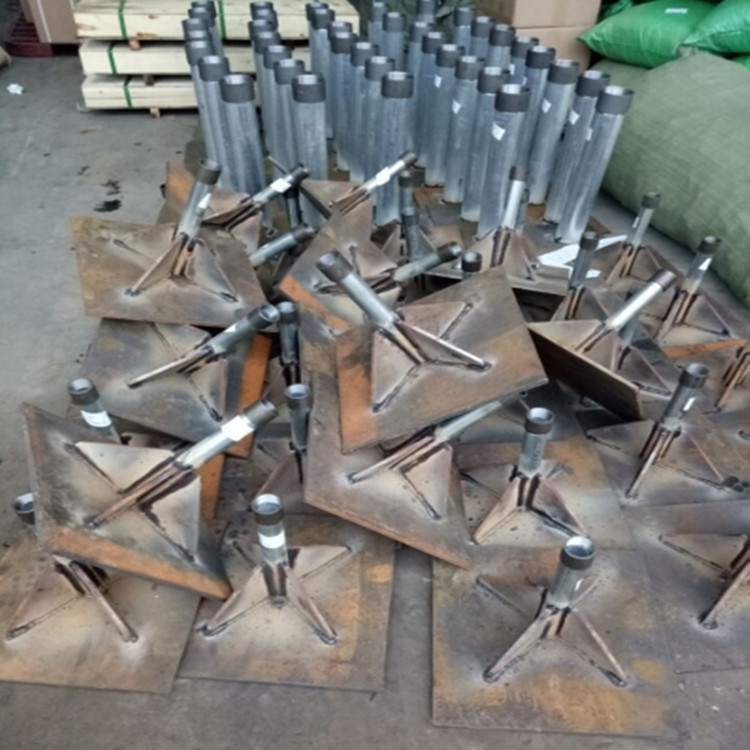
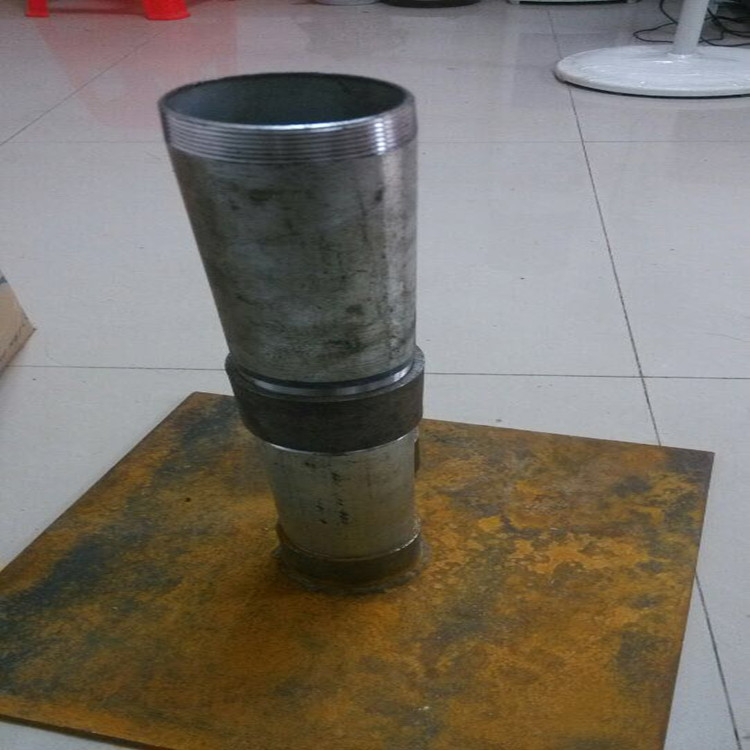
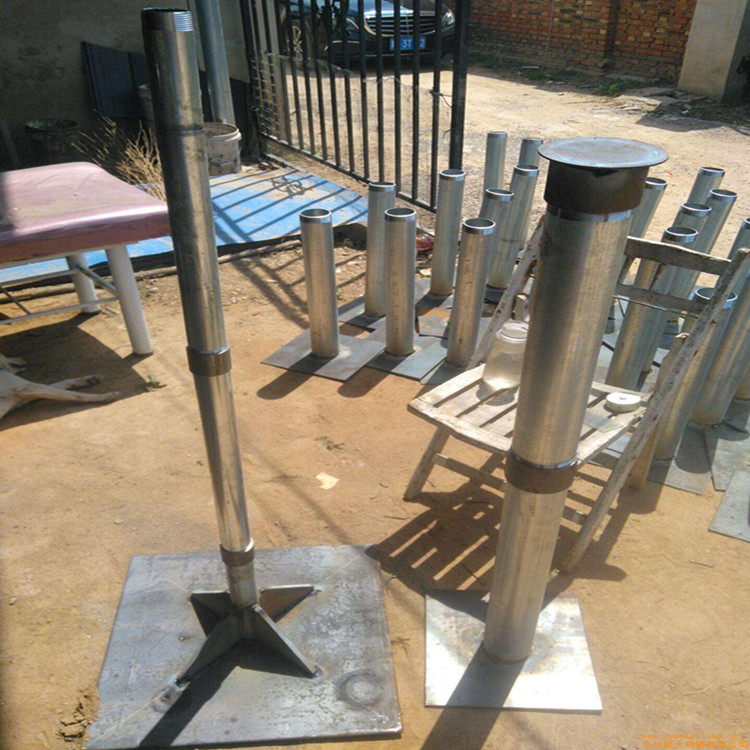
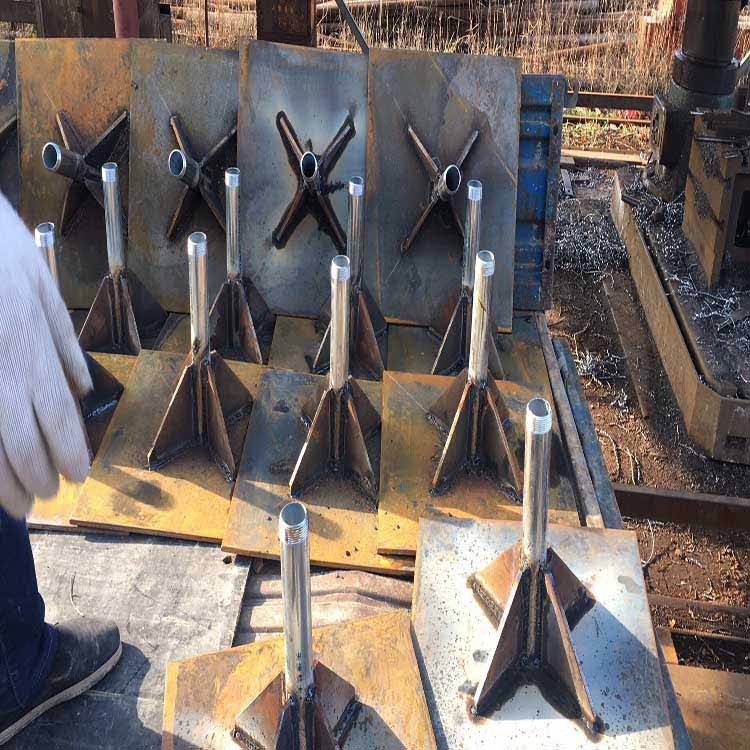
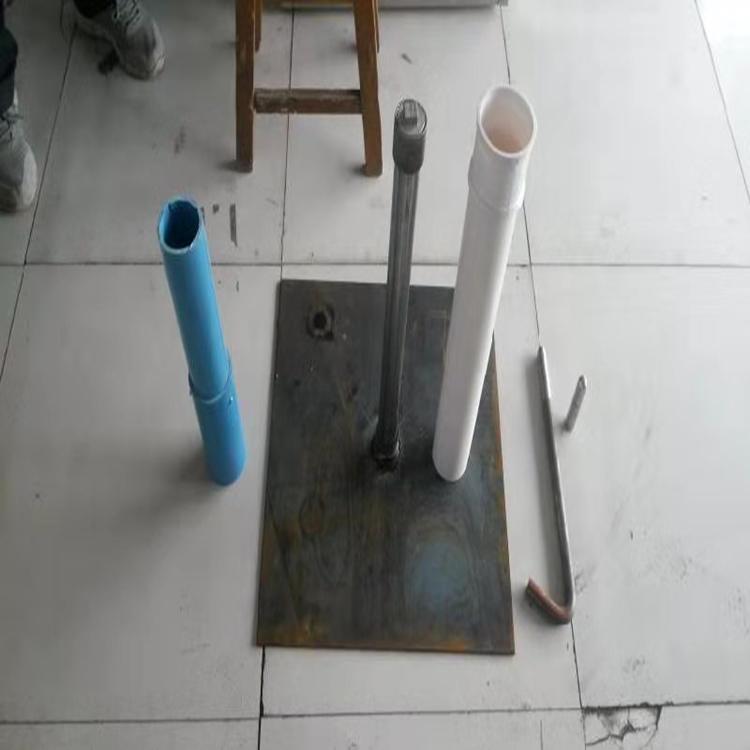
The settlement and deformation observation work of railway offline engineering mainly focuses on the vertical displacement observation of buildings (structures) such as bridges, subgrades, tunnels, and culverts, and the horizontal displacement monitoring is determined according to the specific requirements of construction sites such as bridges and subgrades.
The elevation system of the deformation monitoring network should be consistent with the elevation system of the precision leveling network, generally using the 1985 national elevation standard. For special construction sites, an independent elevation system can be used.
The deformation monitoring of structures should fully utilize CP Ⅰ, CP Ⅱ, and benchmark points as the basis for horizontal and vertical displacement monitoring, and on this basis, increase the number of working benchmark points.
After predicting the settlement and deformation of different structures such as roadbeds (including transition sections), bridges, tunnels, etc., settlement prediction and deformation curves for sections or the entire line should be drawn to confirm that they meet the requirements for laying ballastless or ballasted tracks. The offline settlement and deformation observation of structures such as roadbeds (including transition sections), bridges and culverts, tunnels, etc. all refer to the settlement and deformation of the offline structural body, excluding the influence of regional settlement. For areas with regional ground subsidence along the line, a ground subsidence observation network should be set up based on geological conditions for long-term monitoring. The impact of bridge pier subsidence on high-speed railways should be analyzed in order to take relevant measures and comprehensively determine the timing of laying ballastless or ballasted railway tracks. Monitoring of roadbed frost heave is necessary in extremely cold regions.
AfterSalesService :
Key words:- Lhasa settlement plate
More Products