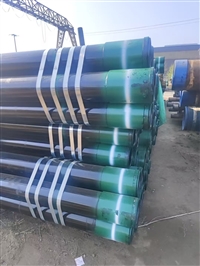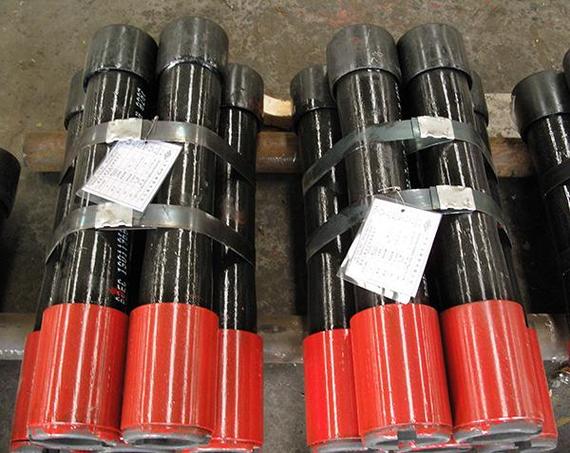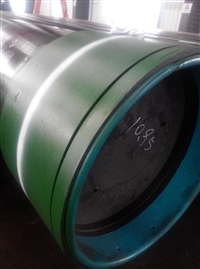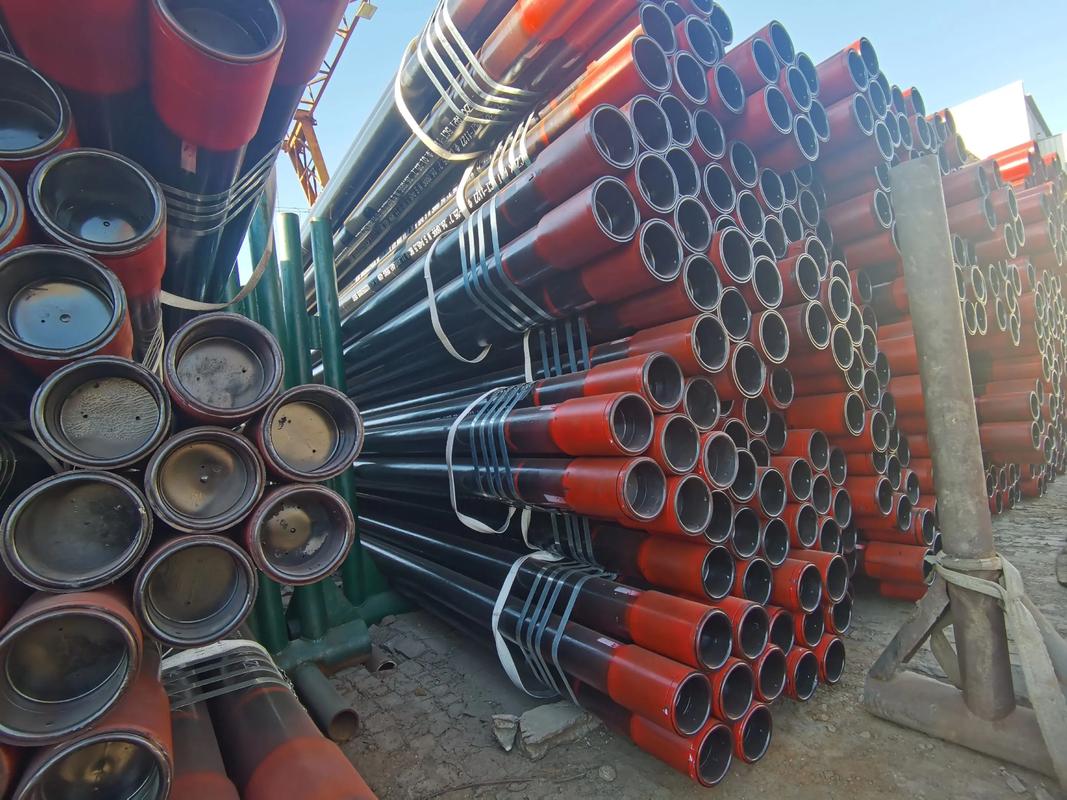

API Standard Petroleum Tubing Corrosion Resistant High Strength Oilfield Production Special Pipe
Category:
building materials/Construction and building materials pipes/Petroleum casing
Model:
73*5.51
Brand:
Crown group
Execution Standard:
API Spec 5CT
Common steel grades:
J55/N80/L80/P110
Outer diameter range:
60mm-114mm
connection method:
Threaded coupling connection
Applicable Medium:
Crude oil/natural gas/produced water
Operating temperature:
-29 ℃ to 120 ℃
Anti corrosion type:
Coating/lining/corrosion-resistant alloy
Single root length:
8m-10m
End form:
Extra thick/inner thick/flat end
Retail Price
10,000,000.00USD
重量
kg
- Product Description
-
Execution Standard API Spec 5CT
Common steel grades J55/N80/L80/P110
Outer diameter range 60mm-114mm
connection method Threaded coupling connection
Applicable Medium Crude oil/natural gas/produced water
Operating temperature -29 ℃ to 120 ℃
Anti corrosion type Coating/lining/corrosion-resistant alloy
Single root length 8m-10m
End form Extra thick/inner thick/flat end
Description :
Oil tubing is a key fluid transportation channel in oilfield development systems that connects downhole pump units with surface gathering and transportation facilities. It mainly solves the safety lifting problems of crude oil, natural gas, and associated water in high-pressure, high-temperature, and corrosive environments. This type of product is widely used in various oil production conditions such as self jetting wells, pumping unit wells, and electric submersible pump wells, and needs to withstand the combined effects of internal fluid pressure, external formation stress, and alternating loads. As the core component of oil drilling and production equipment, oil pipelines not only need to have excellent mechanical strength to resist tension and compression, but also need to have good sealing performance to prevent oil and gas leakage, ensure the continuity and safety of production operations, and are indispensable basic materials for the efficient development of modern oil and gas fields.
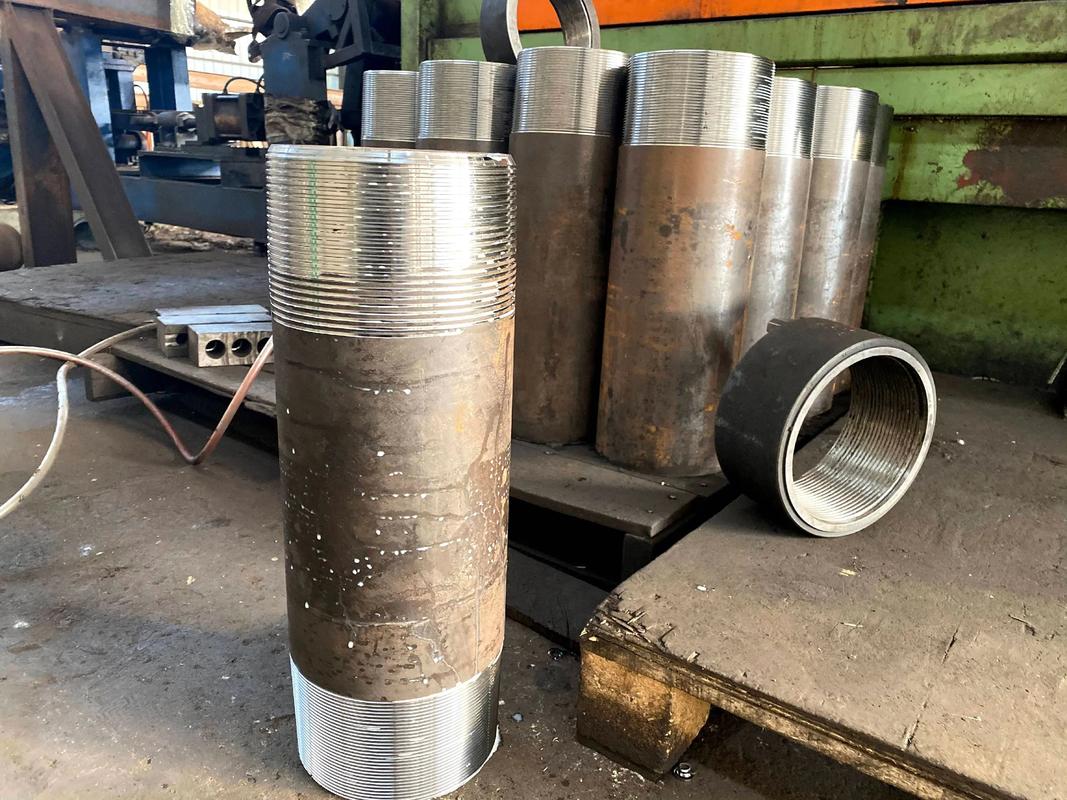
In terms of specifications and manufacturing standards, petroleum tubing is usually produced and inspected in accordance with international general specifications such as API Spec 5CT. The common outer diameter range covers 2-3/8 inches to 4-1/2 inches (approximately 60mm to 114mm), and the wall thickness is usually between 4mm to 10mm depending on the steel grade. Special petroleum casing steel such as J55, N80, L80, P110, etc. are commonly used as materials, which undergo heat treatment processes such as quenching and tempering to obtain the required yield strength and toughness. The two ends of the pipe body are usually processed with externally thickened or internally thickened threads, which are used in conjunction with precision couplings to ensure the sealing and tensile strength of the connection. Each oil pipe must undergo hydrostatic testing, non-destructive testing, and geometric dimension inspection before leaving the factory to ensure compliance with strict downhole operation requirements. Some special working conditions also require sulfur and carbon dioxide corrosion resistance testing.
When selecting, special consideration should be given to well depth, well fluid properties, and oil recovery technology. Shallow or low-pressure wells can use low steel grade oil pipes such as J55 and K55 to reduce costs; For deep, ultra deep, or high-pressure gas wells, high-grade steel products such as N80 and P110 should be selected, and if necessary, Premium Connections with special buckle types should be chosen to enhance sealing. If the well fluid contains hydrogen sulfide or carbon dioxide, it is necessary to choose corrosion-resistant alloy tubing certified for SSC (sulfide stress cracking) resistance or undergo special anti-corrosion coating treatment. Attention should be paid to distinguishing the differences in the use of oil tubing, drill pipe, and casing: tubing is used for fluid lifting during the production stage, drill pipe is used for rotary drilling during drilling, and casing is used for cementing and supporting the wellbore. The three should not be mixed. Incorrect selection may lead to pipe breakage, leakage, and even well damage accidents.
The installation of oil pipes must strictly follow the torque curve for tightening operations to avoid thread damage or seal failure caused by over tightening or over loosening. Before going down the well, the surface of each pipe should be inspected for scratches, dents, or rust, and the threaded part should be coated with special sealing grease. In daily use, it is recommended to regularly monitor the internal and external pressure of the tubing and changes in the composition of the produced fluid to prevent corrosion perforation or fatigue fracture. Common faults include thread leakage, corrosion and thinning of the pipe body, and eccentric wear, which can be diagnosed through underground television testing or electromagnetic flaw detection. The maintenance cycle depends on the well condition, and it is generally recommended to conduct a comprehensive pipe inspection every 3-5 years to replace severely damaged individual pipes, extend the overall service life of the pipe string, and ensure long-term stable production of the oilfield.
AfterSalesService :
Key words:
More Products