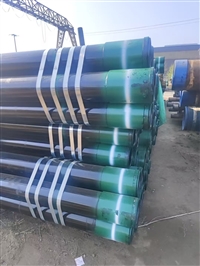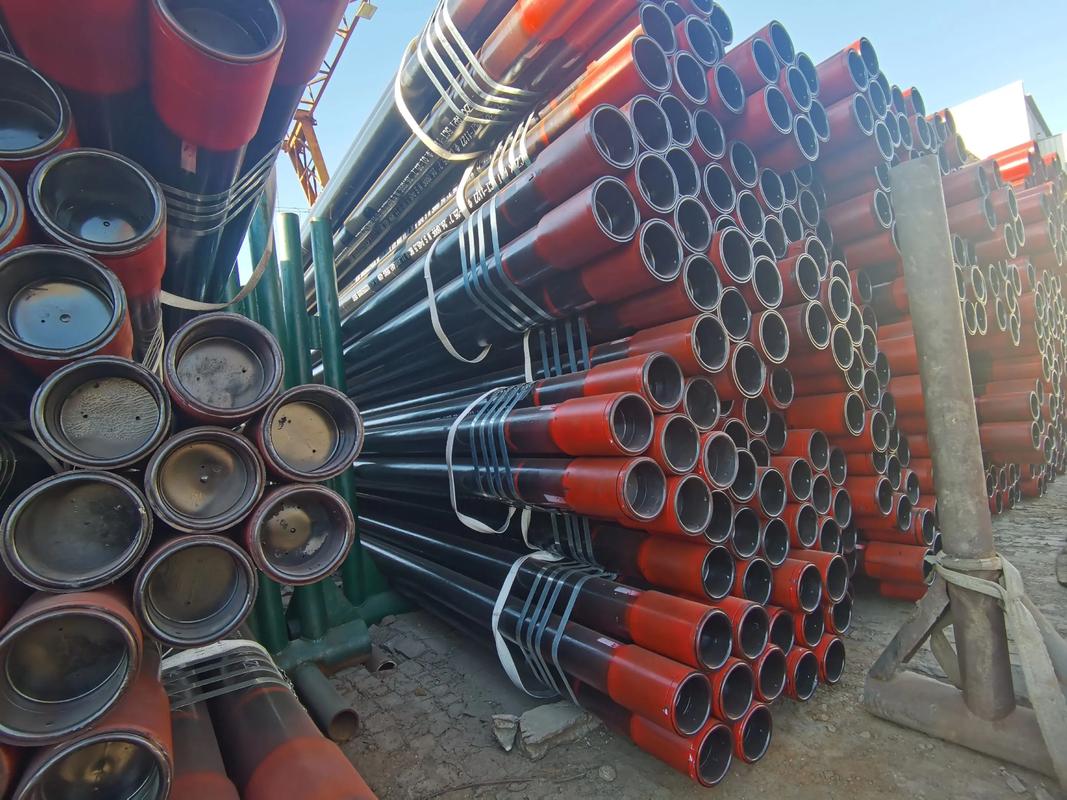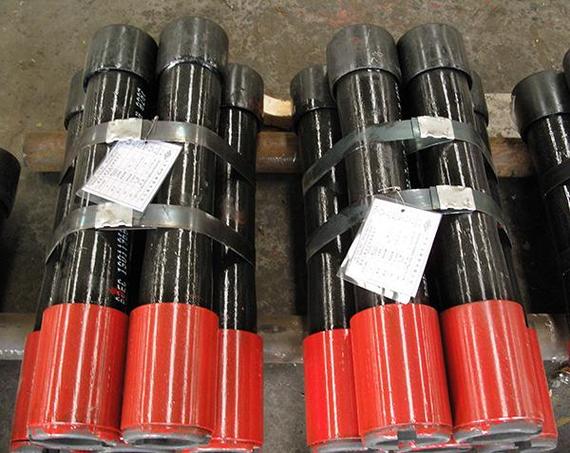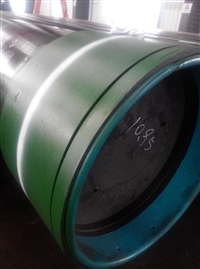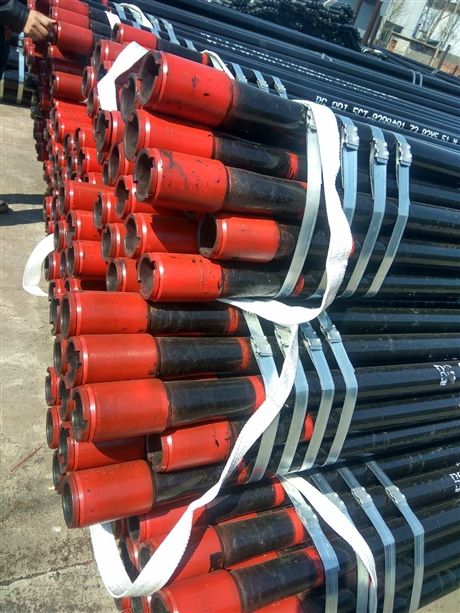

API standard high-strength seamless pipe for oil well production
Category:
building materials/Construction and building materials pipes/Petroleum casing
Model:
88.9*6.45
Brand:
Crown group
Execution Standard:
API Spec 5CT
Common steel grades:
J55/N80/L80/P110
Material:
High quality carbon steel/alloy steel
Outer diameter range:
2-3/8
connection method:
Threaded connection/coupling connection
manufacturing process:
Hot rolling/cold drawing/heat treatment
Applicable Medium:
Crude oil/natural gas/produced water
End form:
Flat/externally thickened/overall thickened
Retail Price
10,000,000.00USD
重量
kg
- Product Description
-
Execution Standard API Spec 5CT
Common steel grades J55/N80/L80/P110
Material High quality carbon steel/alloy steel
Outer diameter range 2-3/8
connection method Threaded connection/coupling connection
manufacturing process Hot rolling/cold drawing/heat treatment
Applicable Medium Crude oil/natural gas/produced water
End form Flat/externally thickened/overall thickened
Description :
Oil tubing is a key transportation pipeline used in oil and gas extraction systems to connect downhole oil pumps with surface oil trees. It mainly solves the vertical lifting problem of crude oil and associated gases in high-pressure and highly corrosive environments. This product is widely used in typical working conditions such as self jetting wells, pumping unit wells, and electric submersible pump wells in onshore and offshore oil fields, and needs to withstand huge tensile loads, internal pressures, and external crushing forces. As the core channel of oil and gas production, oil pipelines not only require extremely high mechanical strength to cope with deep well operating environments, but also need to have good sealing performance to prevent fluid leakage, ensure the safety and continuity of production operations, and are the basic materials for maintaining the normal production cycle of oil wells.
Oil pipelines are usually made of high-quality carbon steel or alloy structural steel, with common materials including J55, N80, L80, P110 and other steel grades, and comply with the API Spec 5CT international standard. The manufacturing process includes hot rolling perforation, cold drawing reduction, heat treatment, and precision machining. The two ends of the pipe body are thickened and threaded, or are formed by overall thickening and upsetting to ensure that the strength of the connection part is higher than that of the pipe body itself. The conventional outer diameter range is from 2-3/8 inches to 4-1/2 inches, and the wall thickness is adjusted between 6.45mm and 12.7mm depending on the steel grade and service environment. Before leaving the factory, each oil pipe must undergo strict hydrostatic testing, ultrasonic testing, and magnetic particle testing to ensure the absence of defects such as cracks and inclusions. Some high sulfur oil and gas fields also require hydrogen sulfide stress corrosion testing.
When selecting oil tubing, it is important to consider well depth, well fluid properties (such as water content, sand content, H2S and CO2 content), and oil recovery technology. For shallow wells with low corrosiveness, J55 or N80 steel grade non thickened oil pipes can be used to reduce costs; For complex well conditions such as deep wells, high-pressure wells, or those containing corrosive media, P110 and above high-grade steel or special buckle type oil pipes made of corrosion-resistant materials such as 13Cr and duplex stainless steel should be selected. Attention should be paid to distinguishing the differences in the use of oil tubing and casing. Tubing is mainly used for fluid transportation, with a smaller diameter and frequent lifting operations, while casing is used for cementing and supporting the wellbore. When selecting, it is also necessary to match the corresponding type of coupling, such as flat, externally thickened, or overall thickened, to ensure that the connection sealing and tensile strength meet the design requirements.
The installation of oil pipes requires the use of specialized power pliers to tighten them to the specified torque. Over tightening or under tightening is strictly prohibited to avoid damaging the threaded sealing surface or causing loose connections. In daily use, it is necessary to regularly monitor changes in the pressure inside the oil pipe and the composition of the produced fluid to prevent wax deposition, scaling, and corrosion perforation. When carrying out homework, it is necessary to handle it gently to avoid collision, deformation or thread damage of the pipe body. When storing, it should be horizontally stacked on the pipe rack and covered with waterproof cloth to prevent rainwater from accumulating and accelerating corrosion. Common faults include thread leakage, corrosion and thinning of the pipe body, and fatigue fracture. If abnormalities are found, non-destructive testing and evaluation should be carried out in a timely manner. Severely damaged oil pipes should be scrapped and replaced to ensure long-term stable operation of the oil well and extend the service life of the entire oil production system.
AfterSalesService :
Key words:
More Products