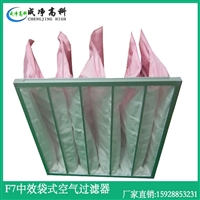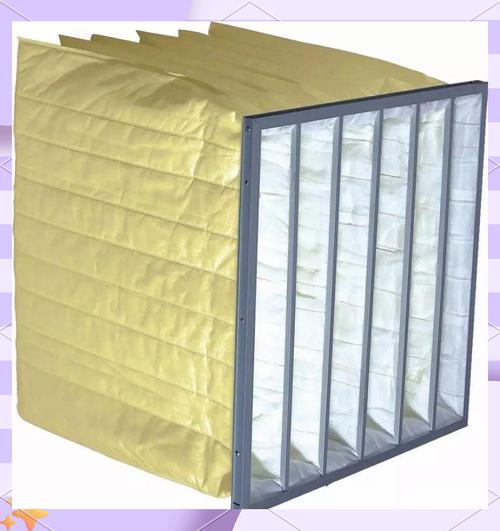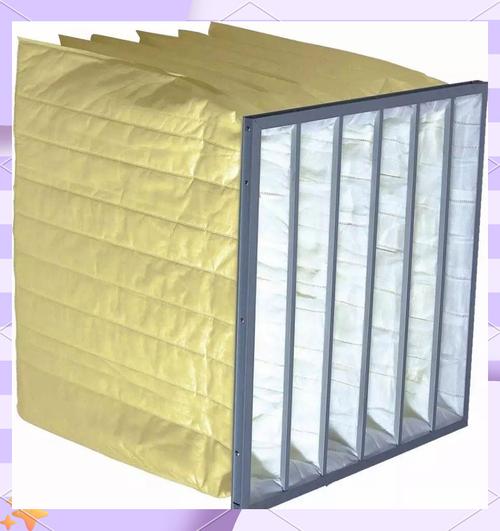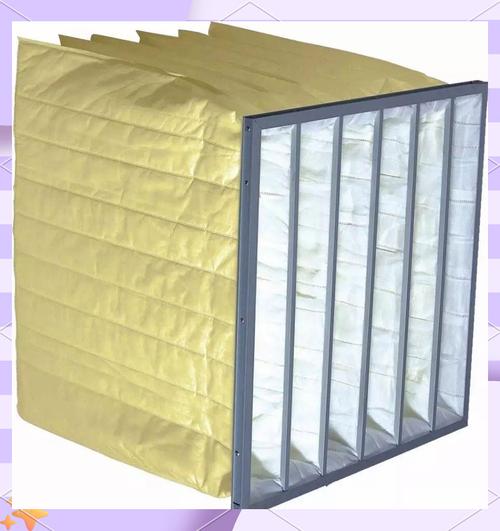
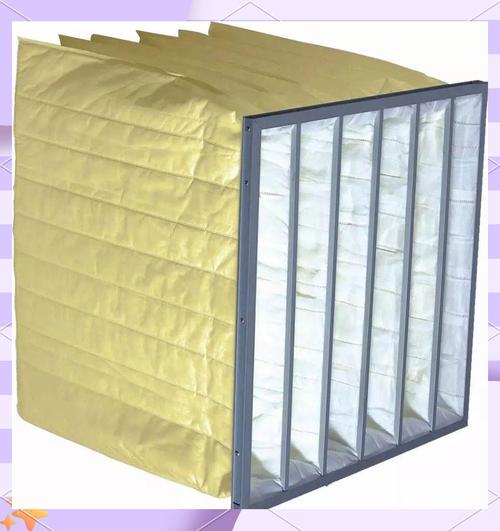

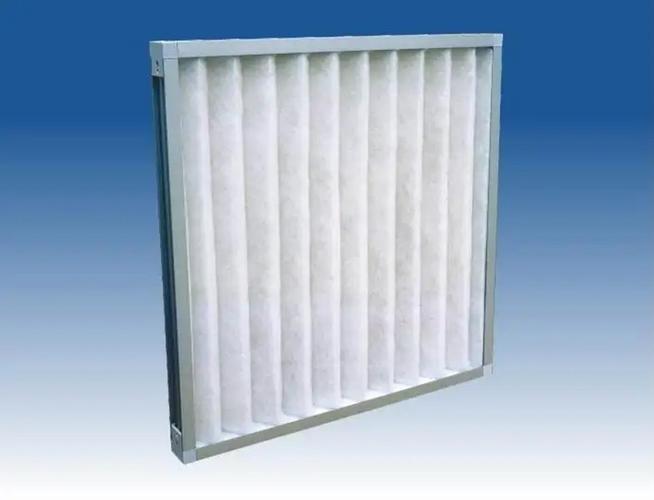
Chengdu Zhongxiao non-woven fabric filter bag type primary and secondary purification air conditioning ventilation system dedicated
Category:
mechanical equipment/Filtering equipment/filter
Model:
CD5
Brand:
Chengjing High Tech
Filter efficiency level:
F5-F9
filter material :
Synthetic fiber non-woven fabric
frame material:
Galvanized sheet/aluminum alloy/cardboard
Applicable particle size:
1-5μm
Execution Standard:
GB/T 14295-2019
Operating temperature:
≤80℃
Operating Humidity:
≤80% RH
structural form:
bag-type
Retail Price
10,000,000.00USD
重量
kg
- Product Description
-
Filter efficiency level F5-F9
filter material Synthetic fiber non-woven fabric
frame material Galvanized sheet/aluminum alloy/cardboard
Applicable particle size 1-5μm
Execution Standard GB/T 14295-2019
Operating temperature ≤80℃
Operating Humidity ≤80% RH
structural form bag-type
Description :
The medium efficiency filter is a key component in air purification systems, mainly used to intercept particulate pollutants of 1-5 microns. It is usually installed after the primary filter and before the high-efficiency filter to protect the back-end high-efficiency filter and extend its service life. In the HVAC systems of industrial plants, hospital operating rooms, and commercial complexes in Chengdu, Sichuan, medium efficiency non-woven fabric filters have become the core barrier for maintaining indoor air cleanliness due to their high dust holding capacity and low operating resistance, effectively solving the filtration problems of suspended dust, flower powder, and some microorganisms in the air.
This medium efficiency filter uses high-quality synthetic fiber non-woven fabric as the filter material, and is made into a bag structure through hot melt or stitching technology, increasing the filtration area and dust holding space. The common filtration efficiency levels are F5-F9 (according to EN779 standard), and the filtration efficiency for 0.4 μ m particles is between 40% and 95%. The frame materials are mostly galvanized steel plates, aluminum alloys, or cardboard to ensure structural strength and sealing. The product complies with the national standard GB/T 14295-2019 "Air Filters" and undergoes strict initial and final resistance tests to ensure stable operation at rated air volume, good humidity resistance, and adaptability to the humid climate in Chengdu.
When selecting, the specifications and quantity of filters should be determined based on the size and air volume requirements of the on-site air conditioning unit. Suitable for intermediate filtration in general ventilation systems, such as pre filtration in clean rooms of office buildings, hotels, and electronics factories. If the environment contains a large amount of oily mist or chemically corrosive gases, this type of dry non-woven medium efficiency filter is not suitable and activated carbon or metal mesh filter should be selected. Compared with primary filters, medium filters have higher accuracy; Compared with high-efficiency filters, it has lower resistance and lower cost, making it suitable for pre-treatment with large air volume. The purchaser needs to match it reasonably according to the actual cleanliness level requirements.
During installation, it is necessary to ensure good sealing between the filter and the frame to avoid bypass leakage that may affect the filtration effect. It is recommended to regularly check the reading of the differential pressure gauge. When the initial resistance increases to the final resistance (usually twice the initial resistance), the medium efficiency filter should be replaced in a timely manner. It should not be cleaned or reused to avoid damaging the non-woven fiber structure and causing a decrease in efficiency. During daily maintenance, attention should be paid to preventing rainwater from getting wet or high humidity condensed water from directly contacting the filter material. When storing, it should be placed in a dry and ventilated place. Common faults include frame deformation leading to poor sealing, damaged filter bags, etc. If any abnormalities are found, the machine should be stopped immediately for replacement to ensure the normal operation of the entire purification system.
AfterSalesService :
Key words:
More Products