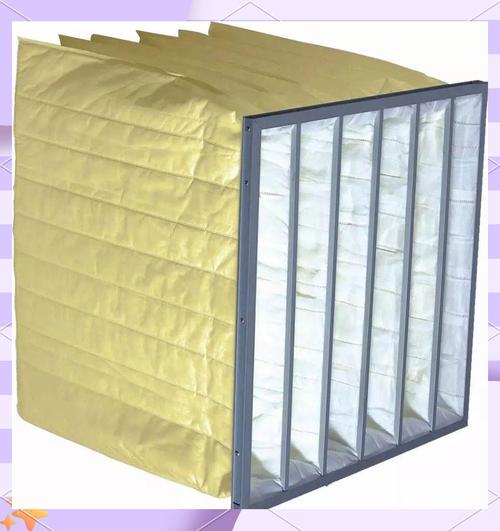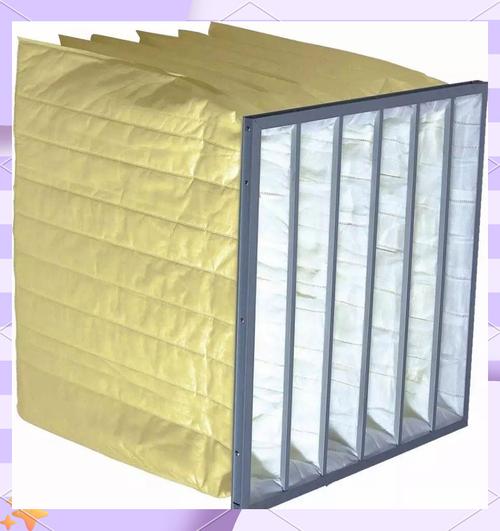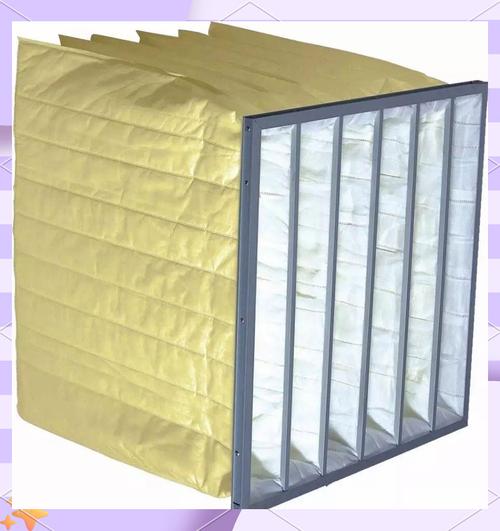
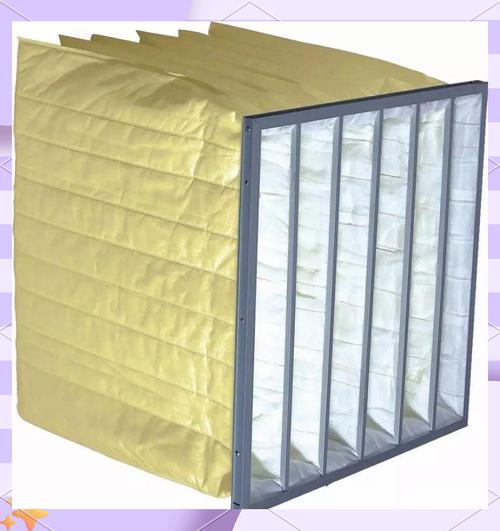

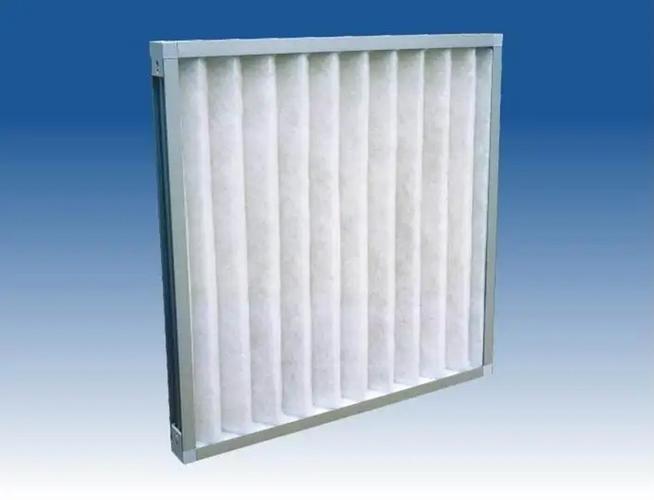
Sichuan Chengdu medium efficiency filter Sichuan Chengdu medium efficiency non-woven fabric filter Sichuan Chengdu F5F6F7F8 bag filter
Category:
Environmental Protection/Water treatment filter/Fiber filter
Model:
CD5
Brand:
Chengjing High Tech
filtration efficiency:
F5-F9 (G4-H11)
filter material :
Polyester non-woven fabric/synthetic fiber
frame material:
Galvanized sheet/aluminum alloy/ABS
structural form:
Bag/Plate Type
Applicable particle size:
1-5 microns
Initial resistance:
30-80 Pa
Recommended final resistance:
160-200 Pa
Execution Standard:
GB/T 14295-2019
heat resistance:
≤80℃
relative humidity:
≤80% RH
Retail Price
10,000,000.00USD
重量
kg
- Product Description
-
filtration efficiency F5-F9 (G4-H11)
filter material Polyester non-woven fabric/synthetic fiber
frame material Galvanized sheet/aluminum alloy/ABS
structural form Bag/Plate Type
Applicable particle size 1-5 microns
Initial resistance 30-80 Pa
Recommended final resistance 160-200 Pa
Execution Standard GB/T 14295-2019
heat resistance ≤80℃
relative humidity ≤80% RH
Description :
Medium efficiency filters are the core components of air purification systems, mainly used to capture particles of 1-5 microns in size, such as dust, pollen, and some bacteria. It is usually installed after the primary filter and before the high-efficiency filter, playing a protective role as a link between the previous and the next, effectively extending the service life of the back-end high-efficiency filter. In industrial plants, commercial complexes, and hospital cleanrooms in Chengdu, Sichuan, medium efficiency non-woven fabric filters have become a standard configuration for ventilation and air conditioning systems (HVAC) due to their stable filtration efficiency and low operating resistance, solving the problem of secondary air pollution and ensuring that indoor air quality meets established standards.
This type of product often uses high-quality non-woven fabric or synthetic fibers as filter media, which are made into bag like structures through hot melt bonding technology to increase filtration area and reduce wind resistance. The common filtration efficiency levels are F5-F9 (corresponding to the European standard EN779 or the new standard ISO16890), and the counting efficiency for particles with a size of 0.4 microns can reach 40% -95%. The frame material is usually galvanized steel plate, aluminum alloy or ABS plastic, with a sturdy and corrosion-resistant structure. The product complies with the national standard GB/T 14295-2019 "Air Filters" and undergoes tests for air volume, resistance, and efficiency before leaving the factory. The typical initial resistance is between 30-80Pa, and it is recommended to set the final resistance to 160-200Pa. The specific value depends on the specifications and filtration level to ensure stable operation at the rated air volume.
When selecting, it is necessary to clarify the system air volume, installation space size, and required filtration efficiency level. Bag type medium efficiency filters are suitable for situations with high air volume and low resistance, such as large central air conditioning units; If space is limited, a plate type medium efficiency filter can be chosen. It should be noted that medium efficiency filters are not suitable for environments containing oily mist, high humidity saturated steam, or highly corrosive gases. Special oil mist filters or chemical filters should be used for such working conditions. Compared to primary filters, medium efficiency filters have higher precision but slightly greater resistance; Compared with high-efficiency filters, it has low cost and large dust holding capacity, making it suitable as a pre filtration stage. When purchasing, the thickness of the frame, the number of bags, and the weight of the filter material should be checked to ensure compatibility with the existing air duct interface.
During installation, it is necessary to ensure that the airflow direction is consistent with the arrow mark on the filter, and the sealing gasket should be tightly pressed to prevent air leakage, otherwise it will significantly reduce the filtration efficiency. In daily maintenance, it is recommended to check the differential pressure gauge reading once a month. When the resistance reaches 1.5-2 times the initial resistance, it should be replaced in a timely manner. Medium efficiency filters are usually disposable and cannot be cleaned or reused. Washing with water can damage the non-woven fiber structure, resulting in ineffective efficiency. Common faults include frame deformation, damaged filter bags, or inadequate sealing. If such problems are found, the machine should be stopped immediately for replacement. Regularly recording the replacement cycle and pressure difference changes can help optimize maintenance plans, reduce overall system energy consumption, and ensure the long-term stable operation of the purification system.
AfterSalesService :
Key words:
More Products