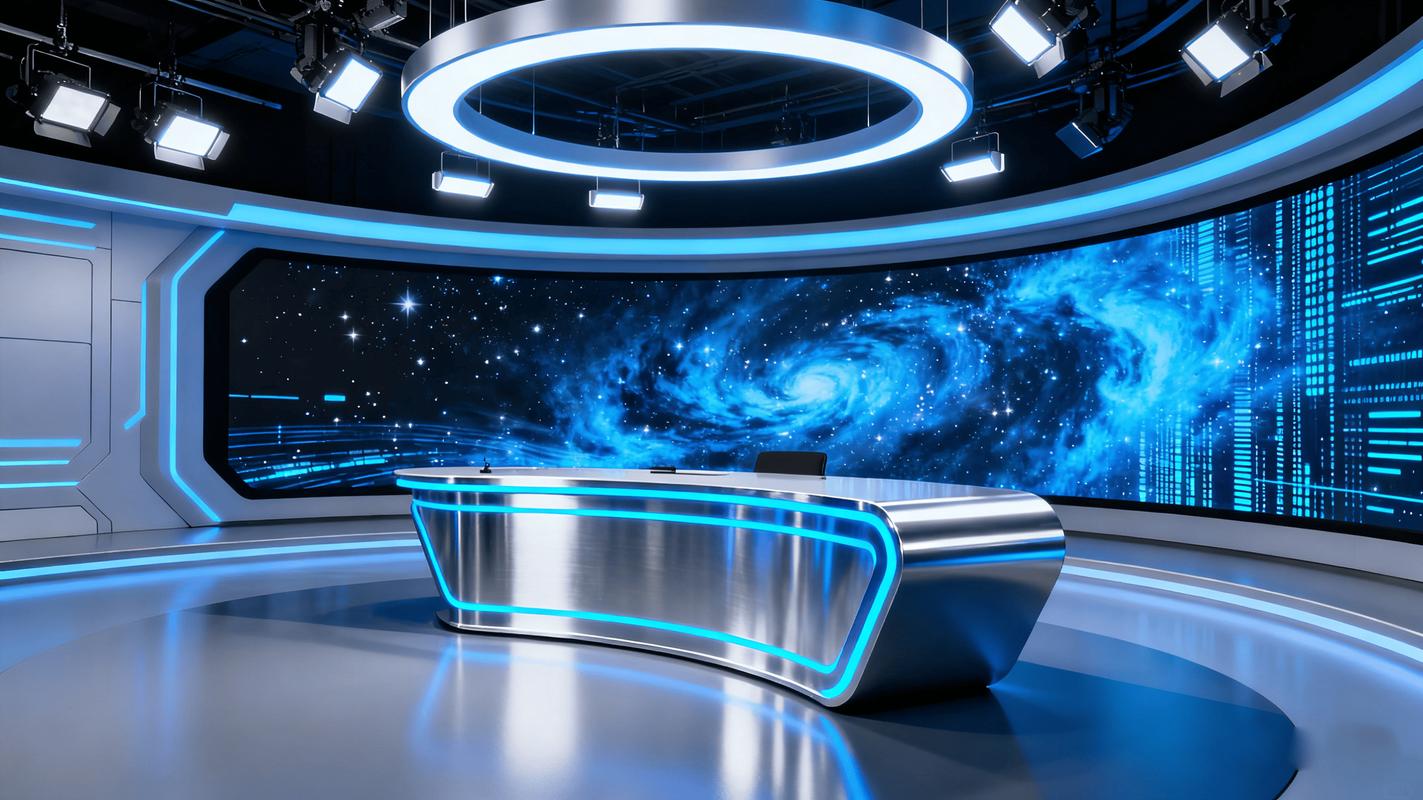

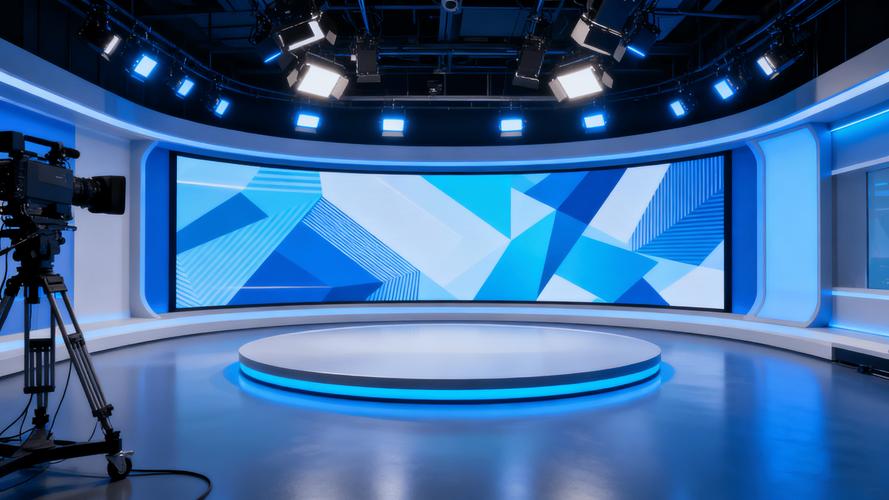
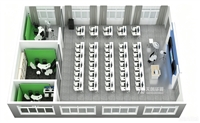
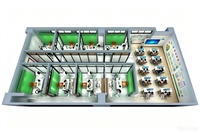
Virtual Studio System Campus Training Film and Television Editing and Production Equipment
Category:
Radio and Television/Editing and production equipment/Virtual Studio
Model:
TC UVS series
Brand:
Tianchuang Huashi
Video input interface:
SDI/HDMI
Color key processing accuracy:
10bit/4:2:2
Number of virtual scenes:
≥ 50 preset sets
System latency:
<2 frames
Supported resolution:
1920×1080/4K
audio channel:
There is input
Tracking method:
Grid/Infrared/Sensor
Applicable site area:
≥ 20 square meters
Retail Price
10,000,000.00USD
重量
kg
- Product Description
-
Video input interface SDI/HDMI
Color key processing accuracy 10bit/4:2:2
Number of virtual scenes ≥ 50 preset sets
System latency <2 frames
Supported resolution 1920×1080/4K
audio channel There is input
Tracking method Grid/Infrared/Sensor
Applicable site area ≥ 20 square meters
Description :
Vocational College Video Editing Studio Virtual Studio Equipment
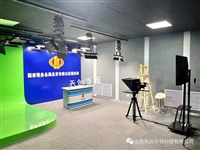
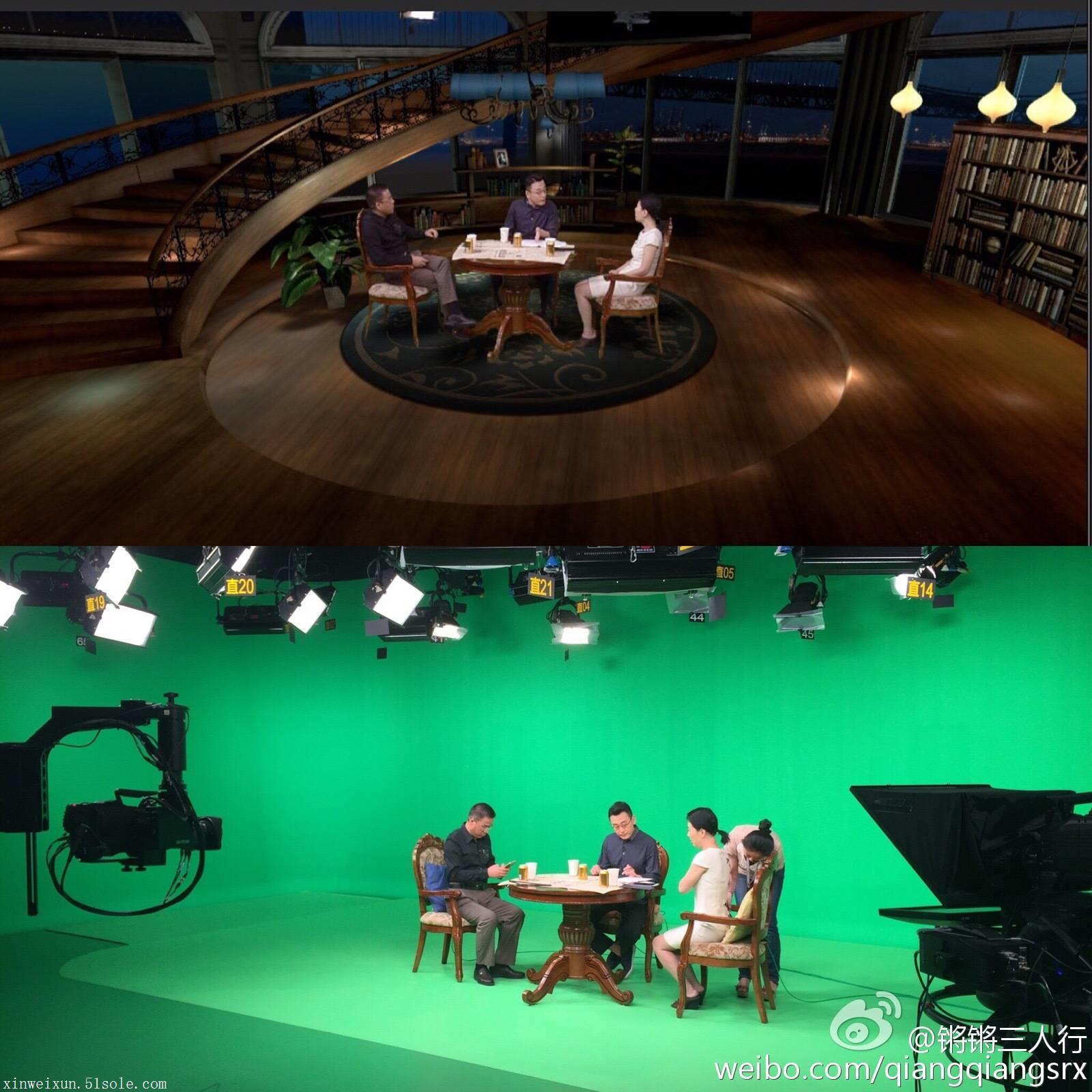
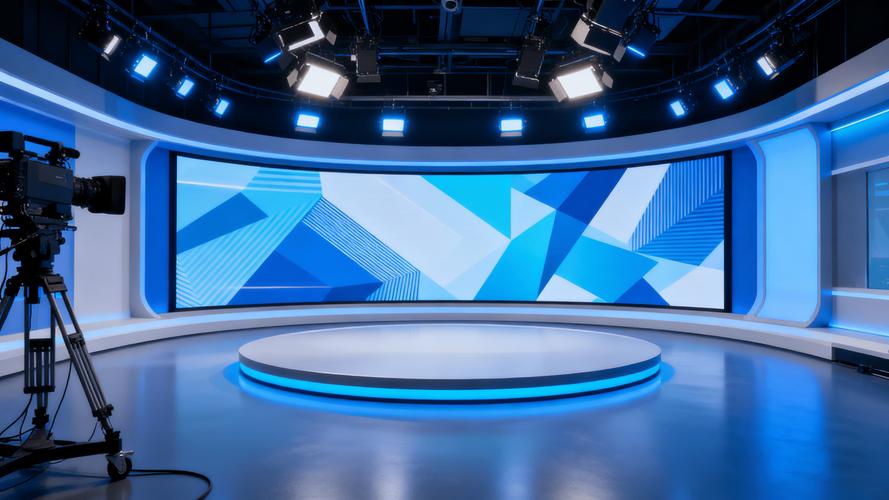
The virtual studio system is an integrated teaching and training platform designed specifically for video editing studios and media majors in vocational colleges. This device combines computer graphics technology with video chroma key cutout technology to generate realistic 3D virtual scenes in real time without a physical background, solving the problems of limited space, high background cost, and slow scene switching in traditional film and television shooting. Typical working conditions include news broadcast simulation, micro lesson recording, virtual interview program production, and student short film creation. This system not only meets the daily teaching demonstration needs, but also supports the production of high standard school level promotional videos, helping students master the full process skills from pre planning, on-site guidance to post synthesis in an environment close to the real industry. It is the core equipment for improving the hardware level of film and television media majors in colleges and universities.
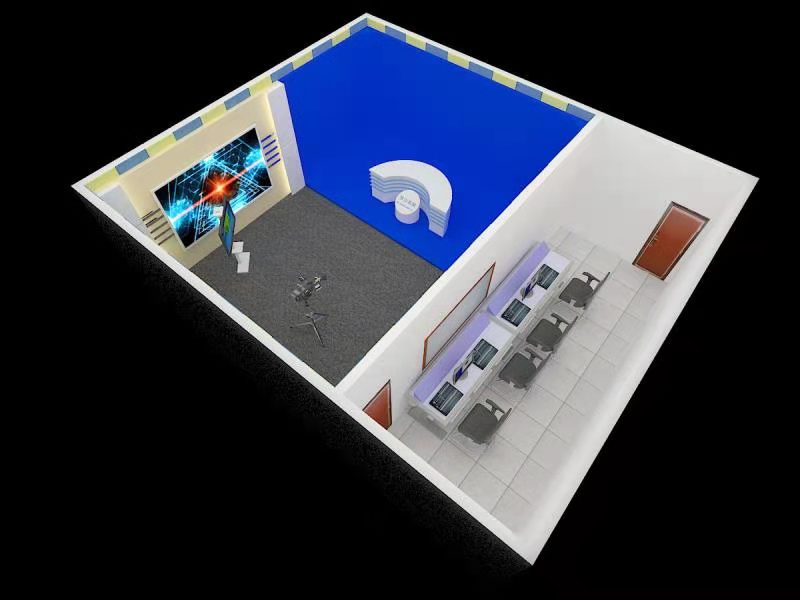
The virtual studio system typically includes high-performance graphics workstations, professional color keys, tracking cameras, green box building materials, and supporting broadcasting software. The execution standard complies with the input and output specifications of broadcasting and television grade video, supports multiple signal interfaces such as SDI/HDMI, and ensures low latency and high stability of image transmission. In common configurations, graphics rendering engines need to have real-time ray tracing capabilities to present realistic light and shadow effects; The color key processing module supports multi-level edge softening and color overflow suppression, ensuring natural integration between characters and virtual backgrounds. The system is equipped with multiple preset virtual scene templates, covering news studios, virtual classrooms, outdoor scenes, etc. It also supports users to customize and import 3D models. In terms of audio, it is equipped with a professional mixing console that supports multiple microphone inputs and background music synchronization, meeting the requirements of stereo recording. The overall process design focuses on heat dissipation and stability during long-term operation.
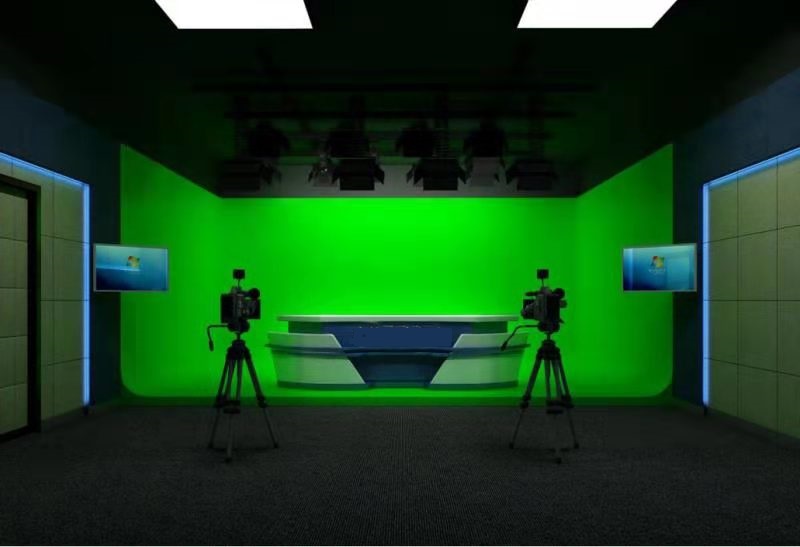
When selecting a virtual studio system, it is important to consider the actual teaching scale and course depth of the institution. For basic editing and broadcasting hosting majors, one can choose the standard version with single or dual camera positions, focusing on ease of operation and scene richness; For advanced film and television production majors, it is recommended to choose a professional version that supports free switching of multiple camera positions and has complex special effects packaging functions to match industry standard processes. It should be noted that this system has high requirements for the uniformity of lighting on the site and must be used in conjunction with a professional shadowless lighting system, otherwise it will affect the quality of image segmentation. Compared with pure software recording solutions, hardware integrated virtual studios can provide a more realistic sense of presence and interactivity; Compared with traditional live streaming studios, its advantages lie in unlimited scene expansion and zero material consumption, making it suitable for teaching units with limited budgets but pursuing visual effects.
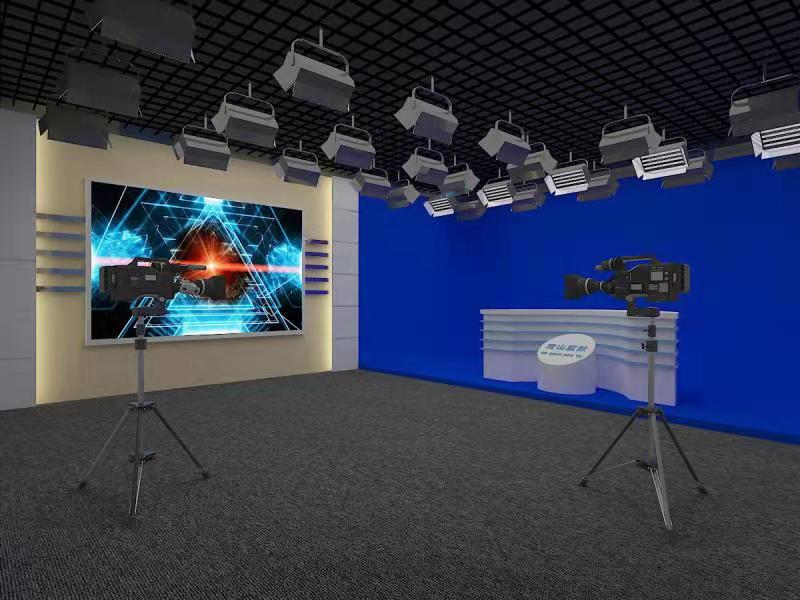
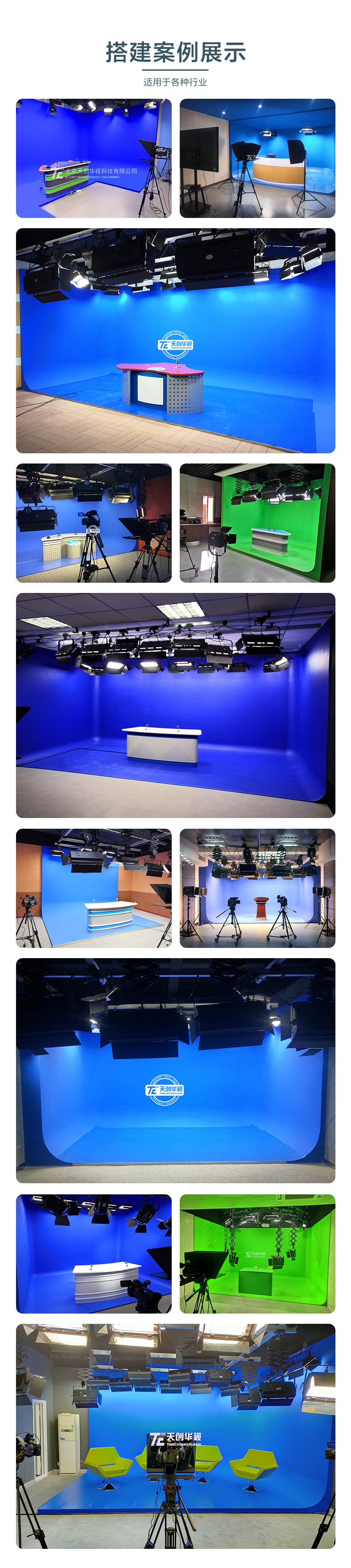
When installing a virtual studio system, the green box construction should ensure that the wall is flat and wrinkle free, and the joints between the ground and the wall should be rounded to avoid blind spots in shadows. The lighting layout should adopt the three-point lighting method to ensure that the main lighting is uniform and separated from the background light, avoiding green overflow onto the person's face or clothing. In daily maintenance, it is necessary to regularly clean the camera lens and sensor, check for loose cable connections, and update graphics drivers and broadcasting software patches in a timely manner to be compatible with new format materials. Common malfunctions such as flickering edges during image capture are often caused by uneven lighting or the presence of green elements in people's clothing. Adjusting the lighting angle or changing clothing can solve the problem. It is recommended to establish a device usage ledger, standardize student operation procedures, avoid accidentally deleting scene files or changing key parameters, extend the service life of equipment, and ensure stable teaching order.
AfterSalesService :
支持上门/远程Key words:
More Products