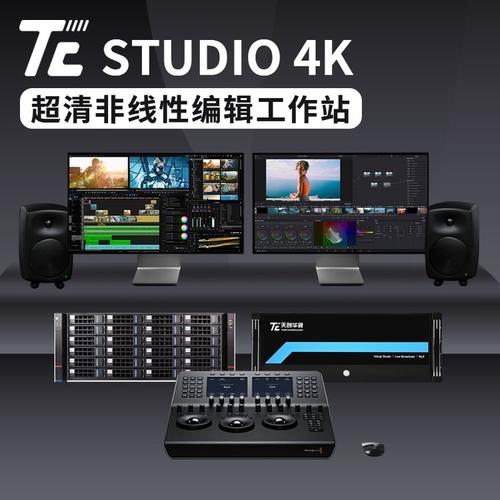

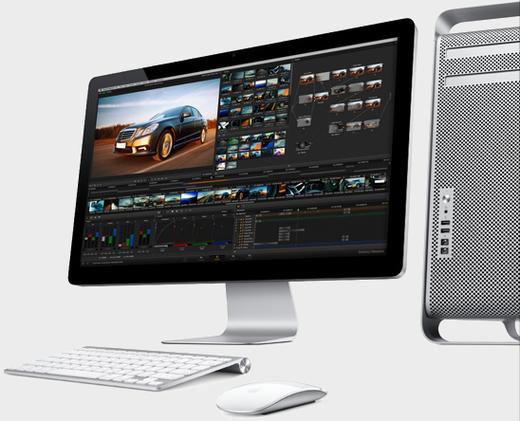


AI intelligent non-linear editing system broadcasting grade video editing production workstation
Category:
Radio and Television/Editing and production equipment/Nonlinear editing system
Model:
TC STUDIO 100
Brand:
Tianchuang Huashi
Supported resolution:
4K/8K UHD
input interface:
SDI/HDMI/USB3.0
encoding format:
H.264/H.265/ProRes
audio processing:
Multi track mixing/noise reduction
Intelligent functions:
AI Subtitle/Auto cutout/Speech Recognition
Storage Requirements:
RAID disk array support
operating system:
Windows/Linux/macOS
Applicable Industries:
Radio and Television/Film and Television/Integrated Media
Retail Price
10,000,000.00USD
重量
kg
- Product Description
-
Supported resolution 4K/8K UHD
input interface SDI/HDMI/USB3.0
encoding format H.264/H.265/ProRes
audio processing Multi track mixing/noise reduction
Intelligent functions AI Subtitle/Auto cutout/Speech Recognition
Storage Requirements RAID disk array support
operating system Windows/Linux/macOS
Applicable Industries Radio and Television/Film and Television/Integrated Media
Description :
AI non editing system is a professional video post production solution based on artificial intelligence technology, aimed at solving the problems of low efficiency, repetitive labor, and high threshold for special effects production in traditional editing processes. This system is typically applied in TV stations, film and television production companies, integrated media centers, and media majors in universities. By integrating functions such as automatic speech recognition, intelligent subtitle generation, image color correction, and rapid material retrieval, it significantly shortens the video production cycle. As a complete non-linear editing system, it not only supports real-time import and mixed editing of multi format video files, but also performs lossless non-linear operations on the timeline, ensuring flexibility and efficiency in the creative process, and meeting the needs of different levels from news cutting to large-scale documentary production.
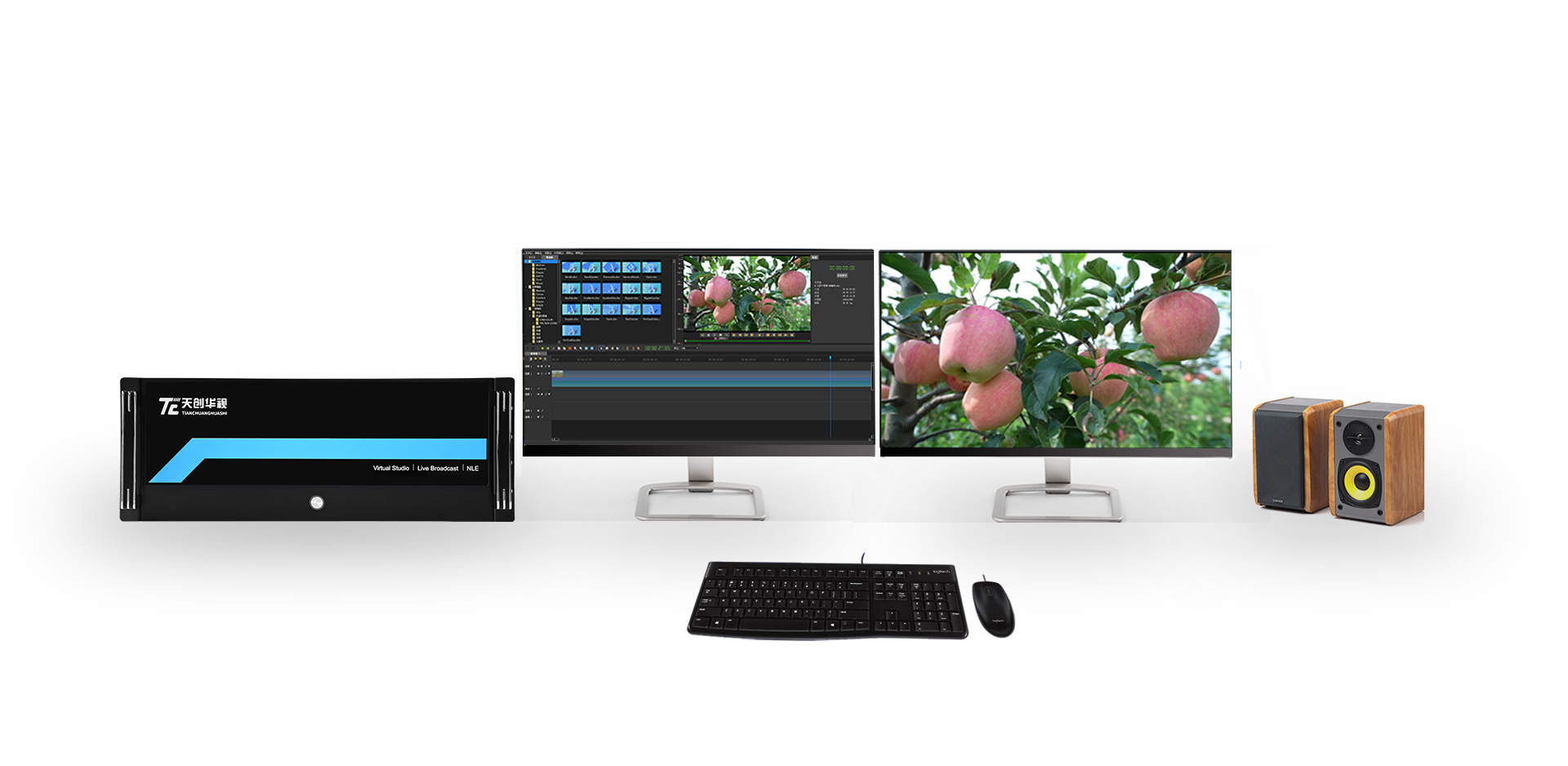
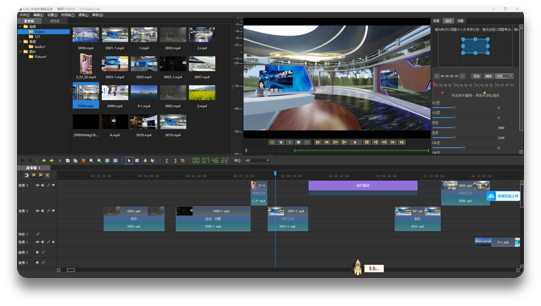
This non-linear editing system follows broadcast grade technical standards in its specification design, supports real-time preview and rendering of 4K/8K ultra high definition resolution videos, and is compatible with mainstream encoding formats such as H.264, H.265, ProRes, and RAW files. The system hardware architecture usually adopts high-performance GPU acceleration technology to ensure smoothness in multi track video overlay and complex special effects synthesis. At the software level, it complies with international broadcasting and television standards such as SMPTE and EBU, and supports various professional interface signal input and output such as SDI and HDMI. In addition, the system is equipped with rich transition effects, filter libraries, and audio processing modules, with comprehensive engineering file management functions, supporting multi person collaborative work and cloud material sharing, ensuring data security and version control, and providing a stable and reliable creative environment for professional editors.
When selecting a non-linear editing system, it is necessary to clarify whether the business scenario focuses on news timeliness or film and television artistry. If the main focus is on handling high-definition news clips, an entry-level configuration that emphasizes CPU single core performance and fast export capability is sufficient; If it involves movie grade color grading and 3D special effects synthesis, it is necessary to choose a workstation level AI non coding system equipped with high-end graphics cards and large memory. Compared with ordinary home editing software, professional non-linear editing systems have significant advantages in color space management, audio mixing accuracy, and hardware interface scalability, and can seamlessly integrate with studio recording equipment and broadcasting systems. Users should choose the appropriate combination of software and hardware based on the number of concurrent editing channels, storage throughput requirements, and subsequent expansion plans to avoid performance overload or bottleneck constraints.
When installing a non-linear editing system on Beijing Tianchuang Huashi, it is necessary to ensure the latest compatibility between the operating system version and the driver program. It is recommended to use RAID disk array storage to ensure the read and write speed and data redundancy security of large capacity video materials. In daily maintenance, cache files and temporary project data should be regularly cleared to maintain smooth system operation; Simultaneously establish a standardized material backup mechanism to prevent data loss caused by hardware failures. Common faults such as playback lag are often caused by insufficient decoding ability or storage bandwidth bottlenecks, which can be solved by reducing the proxy bitrate or upgrading the storage network. During long-term use, pay attention to the cleanliness of the cooling system and the stability of the power supply. Regularly check the software authorization status and plugin updates to maintain the optimal working state of the AI non coding system and extend the service life of the equipment.
AfterSalesService :
支持全国上门培训Key words:
More Products