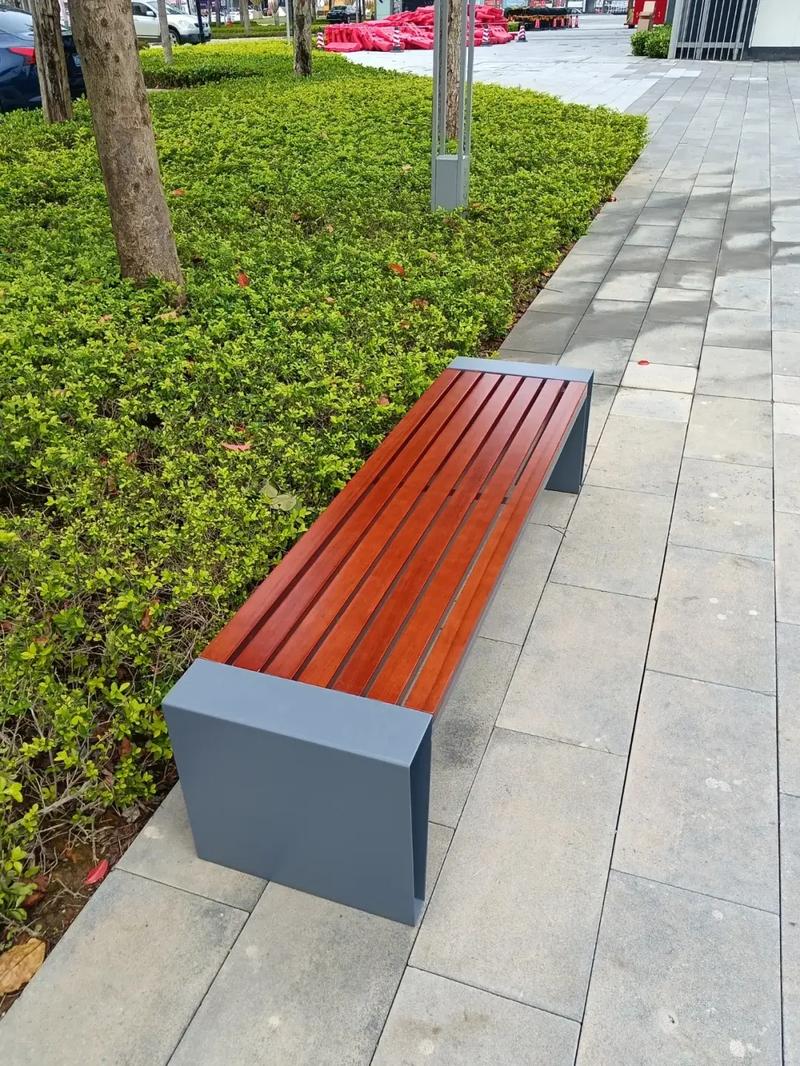

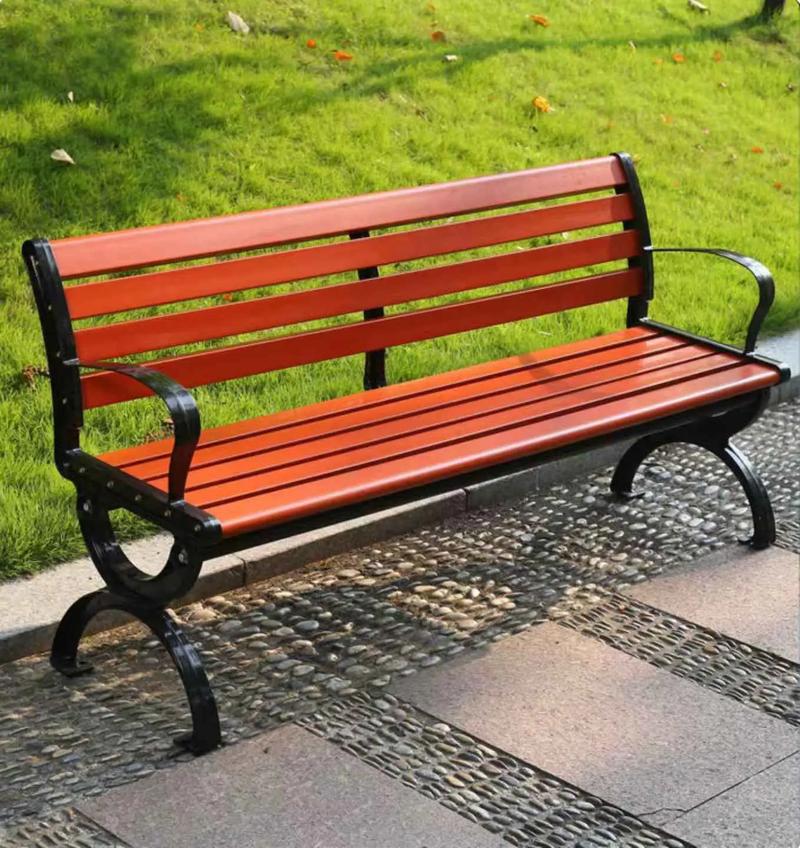
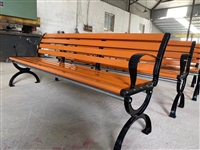
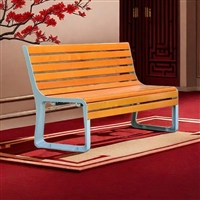
Outdoor stainless steel park chairs, corrosion-resistant and rust proof, public seats, scenic spots, squares, rest benches
Category:
Home Furnishings/Outdoor furniture/bench
Model:
06
Brand:
Boxin
Main material:
Stainless Steel
common grades :
304/201
Surface Treatment:
Drawing/Polishing
Applicable Scenarios:
Outdoor parks/squares/scenic spots
structural type:
Welding assembly
Rust proof grade:
excellent
load-bearing capacity:
≥300kg
Installation Method:
Anchor bolt fixation
Retail Price
10,000,000.00USD
重量
kg
- Product Description
-
Main material Stainless Steel
common grades 304/201
Surface Treatment Drawing/Polishing
Applicable Scenarios Outdoor parks/squares/scenic spots
structural type Welding assembly
Rust proof grade excellent
load-bearing capacity ≥300kg
Installation Method Anchor bolt fixation
Description :
Outdoor stainless steel park chairs are fixed or mobile rest facilities designed specifically for outdoor public environments, mainly to meet the leisure needs of tourists in public places such as scenic spots, squares, and streets. This category usually uses high-strength stainless steel as the main frame or overall structure, which has excellent weather resistance and corrosion resistance, and can adapt to harsh outdoor conditions such as sun and rain, large temperature differences, etc. A typical stainless steel park chair has a stable structure, strong load-bearing capacity, and a surface treated with wire drawing or mirror finish. It is not only beautiful and elegant, but also easy to clean and maintain. It is an important component of modern urban furniture and is widely used in public open spaces with high foot traffic.
In terms of specifications and materials, outdoor stainless steel park chairs often use 304 or 201 stainless steel pipes or plates. Among them, 304 stainless steel has better rust resistance due to its high nickel content, making it suitable for coastal or high humidity areas; 201 stainless steel has a higher cost-effectiveness and is suitable for inland dry areas. The common thickness of the pipe wall is between 1.0mm and 2.0mm to ensure structural strength. Surface treatment processes include wire drawing, polishing, sandblasting, etc. Some products may combine anti-corrosion wood, plastic wood, or stone seat surfaces to increase sitting comfort. The implementation standards usually refer to GB/T 3325-2017 "General Technical Conditions for Metal Furniture" and relevant weather resistance testing standards for outdoor furniture, to ensure that the product does not fade, deform, or rust during long-term outdoor use.
When selecting, it is necessary to clarify the usage scenario and environmental characteristics. For highly corrosive environments such as the seaside and near chemical plants, it is necessary to choose stainless steel park chairs with a grade of 304 or higher, and check whether the welds have been treated with anti-oxidation; For ordinary urban parks or residential areas, 201 stainless steel park chairs can meet the needs and have better costs. If comfort is important, it is recommended to choose a style with a backrest and a composite wood or plastic seat surface; If only for temporary stay or isolation purposes, a fully stainless steel hollow design can be selected, with good drainage and maintenance free. Please note that the all metal seat surface has poor tactile sensation during high temperatures in summer and low temperatures in winter. It is recommended to use a cushion layer or choose a non all metal contact surface design to enhance the user experience.
In terms of installation and maintenance, outdoor stainless steel park chairs are usually fixed to the ground with expansion bolts or embedded parts. It is necessary to ensure that the foundation is flat and solid to prevent the chair body from tilting or welding points from breaking due to foundation settlement. Daily maintenance only requires regular rinsing of surface dust and stains with clean water, avoiding the use of strong acid and alkali cleaning agents to damage the surface passivation film. Regularly check whether the screws and fasteners are loose, and whether there are cracks or rust spots in the welding parts. If slight rust is found, it can be repaired by wiping with stainless steel maintenance oil. A reasonable usage cycle can reach more than 10 years, and good maintenance can further extend its service life, maintaining the beauty and safety of public facilities.
AfterSalesService :
Key words:
More Products