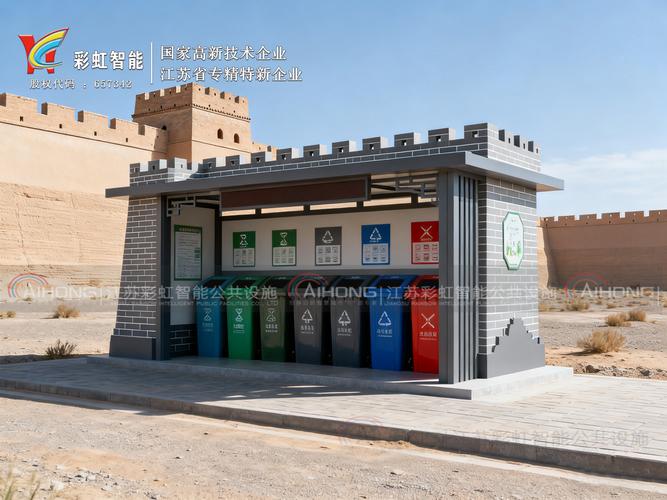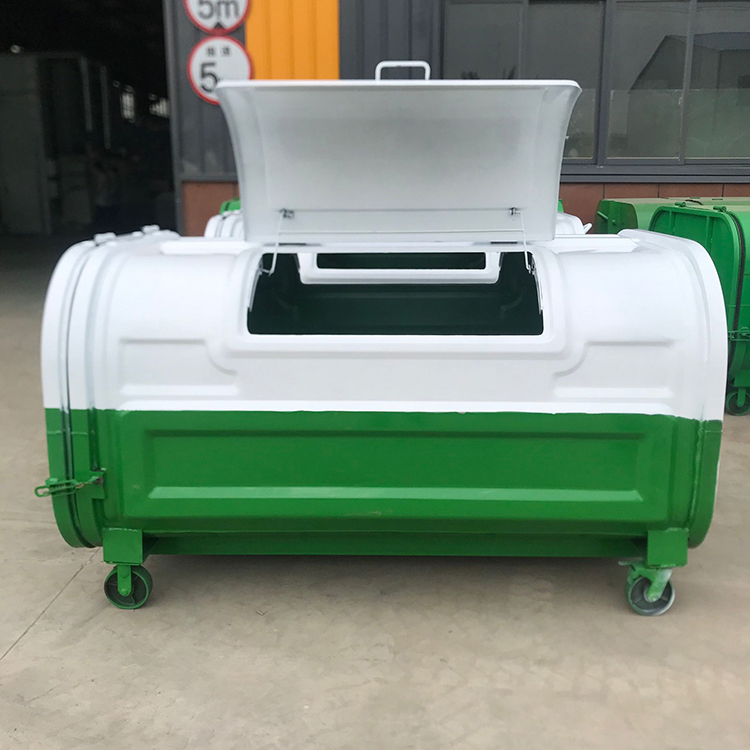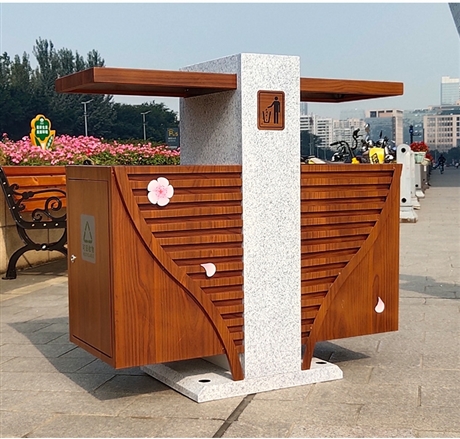

Outdoor anti-corrosion metal garbage bin, scenic area, park, double bin classification garbage bin
Category:
Environmental Protection/Public sanitation facilities/Sanitation waste bin
Model:
1000*420*950
Brand:
Boxin
Material:
Galvanized steel sheet/stainless steel
Surface Treatment:
electrostatic powder coating
capacity:
60-120L
Classification method:
Double bucket classification
Applicable Scenarios:
Scenic spots/parks/streets
fixation method:
Bottom expansion screw fixation
color:
Customizable
weather resistance:
Rainproof and sunproof
Retail Price
10,000,000.00USD
重量
kg
- Product Description
-
Material Galvanized steel sheet/stainless steel
Surface Treatment electrostatic powder coating
capacity 60-120L
Classification method Double bucket classification
Applicable Scenarios Scenic spots/parks/streets
fixation method Bottom expansion screw fixation
color Customizable
weather resistance Rainproof and sunproof
Description :
Outdoor trash cans are solid waste collection containers designed specifically for outdoor public environments, mainly solving the problem of garbage collection and classification in densely populated areas such as scenic spots, parks, and streets. This category usually has the characteristics of strong weather resistance, large capacity, and easy cleaning, and can adapt to harsh weather conditions such as sun and rain. Typical working conditions include urban green belts, tourist attraction rest areas, commercial pedestrian streets, and community public activity squares. Through reasonable structural design, outdoor garbage bins not only improve environmental hygiene levels, but also take into account landscape coordination, making them an important component of modern urban public facilities.
In terms of specifications, common outdoor trash cans are made of galvanized steel plates, stainless steel, or anti-corrosion wood combined with metal frames. The surface is treated with electrostatic spraying or high-temperature baking paint to enhance rust prevention and UV resistance. The standard size is usually 800-1000mm in height, with a single barrel capacity of 60-120 liters, and supports dual or multiple barrel classification combinations. The implementation standards refer to CJ/T 284-2008 "Plastic Garbage Can" or GB/T 19095-2003 "Classification Mark for Household Waste", and some high-end products have passed ISO9001 quality system certification. The bottom is often equipped with drainage holes to prevent water accumulation, and the top is equipped with a rain cover or ashtray device to ensure internal dryness and hygiene, extending the service life.
When selecting, the capacity and material should be determined based on the pedestrian flow and garbage generation type of the placement scene. It is recommended to use 304 stainless steel or aluminum alloy materials that have undergone special anti-corrosion treatment for high humidity seaside scenic spots to avoid salt spray corrosion; Ordinary parks can choose galvanized sheet spray coating, which is cost-effective and the color can be customized to blend into the environment. If dry wet separation or recyclables classification is required, a double bucket or multi compartment design with clear markings should be selected. Pay attention to distinguishing between indoor trash cans and outdoor trash cans. The latter must have stronger structural stability and anti-theft fixing design, such as reserving expansion screw holes at the bottom to prevent them from being blown down by the wind or manually moved.
In terms of installation and maintenance, outdoor trash cans should be fixed on hardened ground to ensure stability and prevent shaking. Daily maintenance only requires regularly emptying the inner container and rinsing the surface with clean water, avoiding the use of strong acid and alkali cleaning agents to damage the coating. Common faults include rusting of locks, pedal failure, or deformation of the inner liner. It is recommended to check the fastening of the connecting parts once every quarter. In cold regions during winter, it is important to note that plastic parts may become brittle and should be handled with care. A reasonable usage cycle is usually 5-8 years, and regular repainting or replacement of damaged parts can effectively extend their service life and maintain a good image of public facilities.
AfterSalesService :
Key words:
More Products