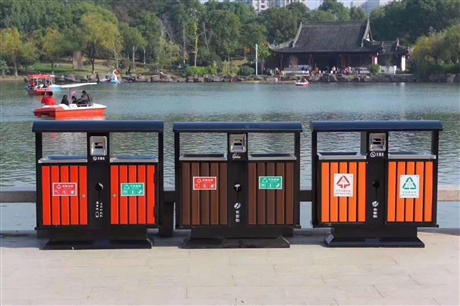

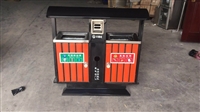
Outdoor stainless steel antique garbage bin, corrosion-resistant scenic area, park classification, fruit peel box
Category:
Environmental Protection/Public sanitation facilities/Sanitation waste bin
Model:
1000*360*1000
Brand:
Boxin
Material:
Stainless Steel
Surface Treatment:
Antique baked paint/brushed finish
Suitable for:
Scenic spots/parks/streets
structural characteristics:
With inner liner/bottom drainage
corrosion resistance grade:
Outdoor weather resistance level
Installation Method:
Ground fixed/ground mounted
Cleaning Method:
Water wash/neutral cleaner
Retail Price
10,000,000.00USD
重量
kg
- Product Description
-
Material Stainless Steel
Surface Treatment Antique baked paint/brushed finish
Suitable for Scenic spots/parks/streets
structural characteristics With inner liner/bottom drainage
corrosion resistance grade Outdoor weather resistance level
Installation Method Ground fixed/ground mounted
Cleaning Method Water wash/neutral cleaner
Description :
Outdoor stainless steel antique garbage bin is a public sanitation facility designed specifically for outdoor environments, mainly to solve the problem of garbage collection and classification storage in scenic spots, parks, and streets. This product combines the durability of stainless steel material with the artistic sense of antique appearance, and typical working conditions include high humidity, heavy rain, or crowded public places. Its core function is to provide stable garbage storage space, while incorporating retro styling into the surrounding landscape to avoid the visual abruptness caused by traditional metal trash cans. It is suitable for areas with high requirements for environmental hygiene and landscape coordination.
The main body of the outdoor garbage bin is usually made of 304 or 201 stainless steel plate, and the surface is treated with brushed, mirror or antique copper paint to enhance corrosion resistance and oxidation resistance. The common specification capacity is between 40L and 120L, and the thickness of the barrel body is generally in the range of 0.8mm to 1.2mm, ensuring that the structure is stable and not easily deformed. The implementation standards comply with relevant regulations for urban public environmental sanitation facilities, and some high-end models are equipped with inner liner designs for easy insertion and cleaning of garbage bags. There are drainage holes at the bottom to prevent rainwater from accumulating and causing odors or bacterial growth. The overall process focuses on polishing and rust prevention treatment of welding points to adapt to long-term outdoor exposure environments.
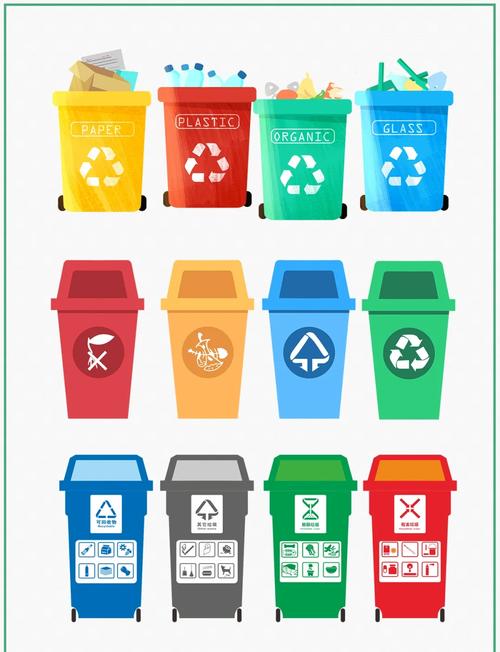
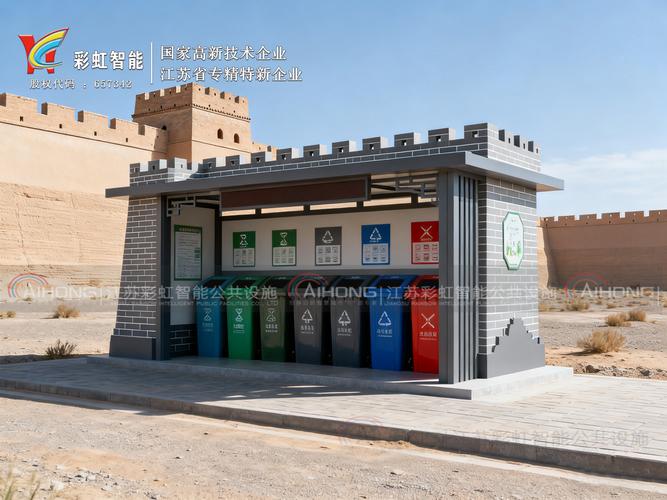
When selecting, the capacity size should be determined based on the flow of people in the placement scene. It is recommended to choose a dual bucket or multi bucket classification design in densely populated areas to improve delivery efficiency. If the environment is highly corroded by salt spray (such as at the seaside), stainless steel materials with a grade of 304 or higher should be preferred; Ordinary urban streets can use 201 material to control costs. Compared with plastic trash cans, stainless steel antique trash cans have higher fire resistance and impact resistance, but they are heavier and inconvenient to move, making them suitable for fixed point installation. Not suitable for places that require frequent movement or temporary activities, this type of scenario is more suitable for lightweight folding or plastic containers.
When installing outdoor stainless steel antique trash cans, it is recommended to use expansion screws to fix them to hardened floors to prevent them from being blown down by the wind or manually moved. Daily maintenance only requires regular rinsing of surface dust with clean water. If there are stubborn stains, neutral cleaning agents can be used to wipe them, avoiding the use of strong acid and alkali solvents to damage the surface coating. The typical service life can reach 5-10 years, depending on the material grade and maintenance frequency. Common faults include rusted locks or malfunctioning pedals. It is recommended to check the fastening of connecting components once a quarter. If welding points are found to be cracked or severely corroded, they should be repaired or replaced in a timely manner to maintain the cleanliness and safety of the facility.
AfterSalesService :
Key words:
More Products