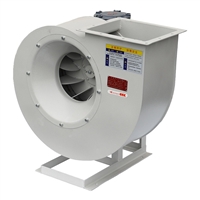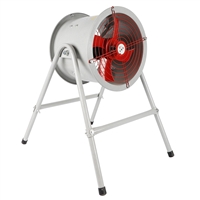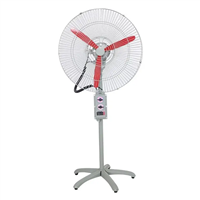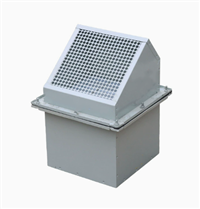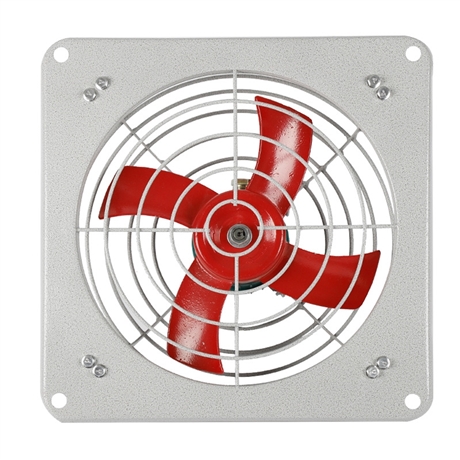

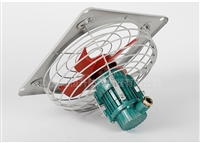
Industrial explosion-proof exhaust fan and strong ventilation equipment
Category:
Environmental Protection/Fan exhaust equipment/Explosion proof fan
Model:
can be customized
Brand:
Hengsheng Explosion proof
Explosion-proof rating:
ExdIIBT4/ExdIICT4
Protection level:
IP54/IP55
insulation class:
Grade F
rated voltage:
380V/50Hz
Impeller material:
Aluminum alloy/stainless steel
noise level:
≤75dB(A)
Applicable Medium:
Class II explosive gas/dust
Retail Price
10,000,000.00USD
重量
kg
- Product Description
-
Explosion-proof rating ExdIIBT4/ExdIICT4
Protection level IP54/IP55
insulation class Grade F
rated voltage 380V/50Hz
Impeller material Aluminum alloy/stainless steel
noise level ≤75dB(A)
Applicable Medium Class II explosive gas/dust
Description :
Explosion proof exhaust fan is a forced ventilation equipment designed specifically for flammable and explosive environments, mainly solving the problems of air replacement and heat dissipation in hazardous areas such as petroleum, chemical, and pharmaceutical industries. The device drives the impeller to rotate through a motor, generating airflow to expel harmful gases, dust, or high-temperature air from indoors, while introducing fresh air to ensure that the working environment meets safety standards. Its core lies in the design of explosion-proof structure, which can effectively isolate the electric sparks generated by the motor from the external explosive gas mixture, preventing accidents. Typical working conditions include gas stations, paint workshops, flour mills, and other areas with Class II explosive gases or dust, which are essential infrastructure for safe production.
In terms of specifications, explosion-proof exhaust fans usually use aluminum alloy or stainless steel materials to manufacture impellers and casings, which have good corrosion resistance and mechanical strength. The motor part must comply with explosion-proof standards such as ExdIIBT4 or ExdIICT4, with insulation level mostly at F level and protection level up to IP54 or IP55 to adapt to humid or dusty environments. Common diameter specifications range from 300mm to 1200mm, with air flow rates ranging from several thousand cubic meters to tens of thousands of cubic meters per hour, depending on blade design and speed. The execution standards usually refer to the GB3836 series electrical equipment standards for explosive environments, and pass the certification testing of the National Explosion proof Electrical Product Quality Supervision and Inspection Center to ensure stable and reliable performance indicators.
When selecting, it is necessary to clarify the category, level, and group of explosive media on site, such as whether it is gas or dust, IIA, IIB, or IIC, and which temperature group is T1-T6, in order to match the corresponding explosion-proof mark. If there are corrosive gases in the environment, stainless steel material or models that have undergone special anti-corrosion treatment should be selected; If high noise control requirements are needed, attention should be paid to the sound pressure level indicators, and if necessary, sound-absorbing devices should be installed. Compared with ordinary exhaust fans, explosion-proof exhaust fans have stricter requirements for junction boxes, motor sealing, and impeller balance, and cannot be replaced arbitrarily. For large space factories, it is recommended to calculate the required air volume and pressure based on pipeline layout to avoid selecting too small a size that may result in poor ventilation or too large a size that may cause energy waste.
During installation, ensure that the fan is securely fixed, the air inlet and outlet are unobstructed, and the grounding wire is reliably connected to eliminate the risk of static electricity accumulation. Daily maintenance includes regularly cleaning the dust and oil stains on the impeller, checking the lubrication of the bearings, and monitoring for any abnormal vibrations or noise during operation. If overheating or abnormal current is found in the motor, the machine should be stopped immediately to check the voltage of the circuit and the insulation condition of the winding. Common faults such as difficulty starting are often caused by capacitor damage or power phase loss, while a decrease in air volume may be due to blade deformation or air inlet blockage. It is recommended to conduct a comprehensive maintenance every six months, replace aging seals, ensure that the explosion-proof surface is intact, extend the service life of the equipment, and ensure continuous safe operation.
AfterSalesService :
质保1年Key words:
More Products