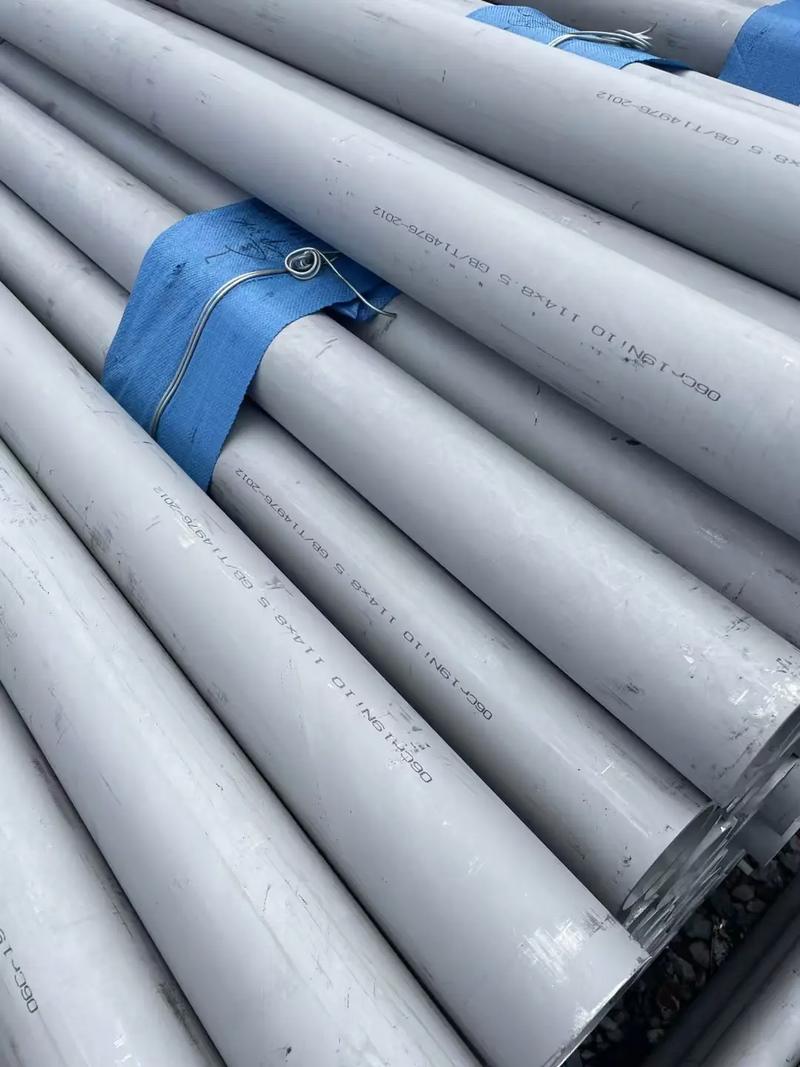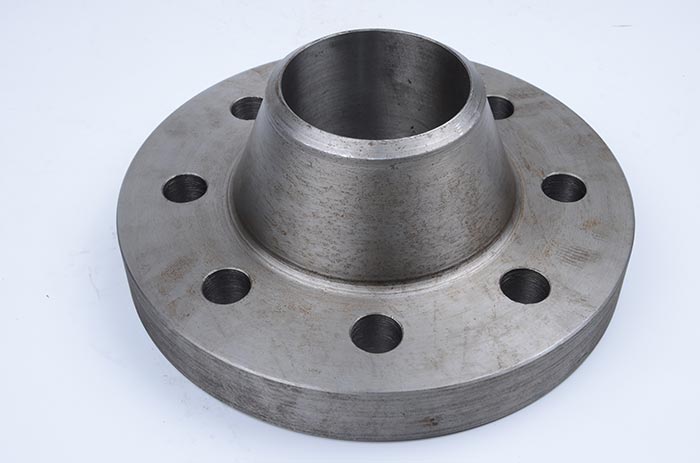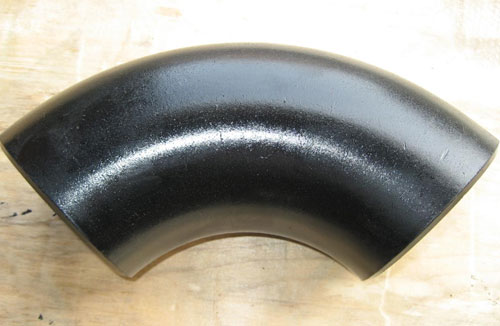

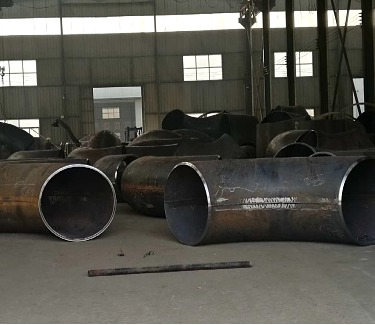
304 stainless steel elbow flange corrosion-resistant high-pressure pipeline connector industrial grade precision casting
Category:
building materials/Pipe fittings/elbow
Model:
twenty-five
Brand:
Yunxun Steel Industry
Material:
304/316L stainless steel
Nominal Diameter:
DN15-DN2000
pressure rating:
PN1.6-PN4.0MPa
Execution Standard:
GB/T12459/ASME B16.5
connection method:
Flange connection/butt welding
bending angle:
90°/45°/180°
Surface Treatment:
Acid pickling passivation/sandblasting
Operating temperature:
-20 ℃ to 450 ℃
Type of sealing surface:
RF/MFM/TG
Retail Price
10,000,000.00USD
重量
kg
- Product Description
-
Material 304/316L stainless steel
Nominal Diameter DN15-DN2000
pressure rating PN1.6-PN4.0MPa
Execution Standard GB/T12459/ASME B16.5
connection method Flange connection/butt welding
bending angle 90°/45°/180°
Surface Treatment Acid pickling passivation/sandblasting
Operating temperature -20 ℃ to 450 ℃
Type of sealing surface RF/MFM/TG
Description :
Stainless steel elbow flanges are key fittings used in pipeline systems to change fluid direction and achieve detachable connections. It combines the turning function of elbows with the docking advantage of flanges, mainly solving the problems of angle conversion and sealing connection in complex pipeline layouts. Typical working conditions include medium and high pressure fluid conveying systems in petrochemical industry, shipbuilding, food pharmacy, water treatment and other fields. This product is usually made of high-quality stainless steel material, which has excellent corrosion resistance and mechanical strength, and can adapt to high temperature, low temperature, and corrosive medium environments, ensuring the long-term stable operation and sealing reliability of the pipeline system.
In terms of specifications, stainless steel elbow flanges are usually manufactured in accordance with domestic and foreign standards such as GB, HG, SH, JB, or ASME B16.5. Common materials include austenitic stainless steel such as 304, 304L, 316, 316L, etc., with pressure ratings ranging from PN0.6 to PN42 or Class150 to Class2500. The size range varies from DN15 to DN2000, and the bending radius is mostly 1.5D or 1D (long or short radius). The manufacturing process often adopts precision casting, forging or push molding, and the surface is treated with acid pickling and passivation to ensure smooth inner walls without sand holes and crack free outer walls. The sealing surface can be selected from protruding surface (RF), concave convex surface (MFM) or mortise and tenon surface (TG) to meet different sealing requirements.
When selecting, it is necessary to clarify the characteristics of the medium, working temperature, pressure rating, and connection standards. For highly corrosive media, it is recommended to use 316L material; Under high temperature and high pressure conditions, it is necessary to verify the flange pressure temperature rating. Pay attention to distinguishing the structural differences between butt welded elbow flanges and flat welded elbow flanges. The former is suitable for high-pressure large-diameter flanges, while the latter is commonly used for low-pressure small-diameter flanges. If there is vibration or thermal expansion and contraction in the pipeline, it is necessary to consider the matching gasket material and bolt tightening scheme. Not suitable for environments with strong reducing acids or non oxidizing media, unless special alloy materials are selected. When purchasing, it is necessary to confirm the implementation of the standard version to avoid installation coordination issues caused by differences in standards.
Before installation, check whether the sealing surface of the stainless steel elbow flange is flat and undamaged, and remove oil stains and rust. Strong alignment is strictly prohibited during installation to avoid additional stress that may cause leakage or deformation. The bolts should be tightened symmetrically and evenly, and it is recommended to use a torque wrench to tighten them in stages. Daily maintenance requires regular inspection of the connection for signs of leakage and monitoring of the thinning of the flange neck and elbow back wall thickness. In corrosive environments, surface attachments should be regularly cleaned to maintain the integrity of the passivation film. Common faults are often damage to the sealing surface or loosening of bolts. If a leak is found, the machine should be stopped in a timely manner to replace the gasket or re tighten it. It is strictly prohibited to work under pressure to ensure operational safety and system integrity.
AfterSalesService :
Key words: