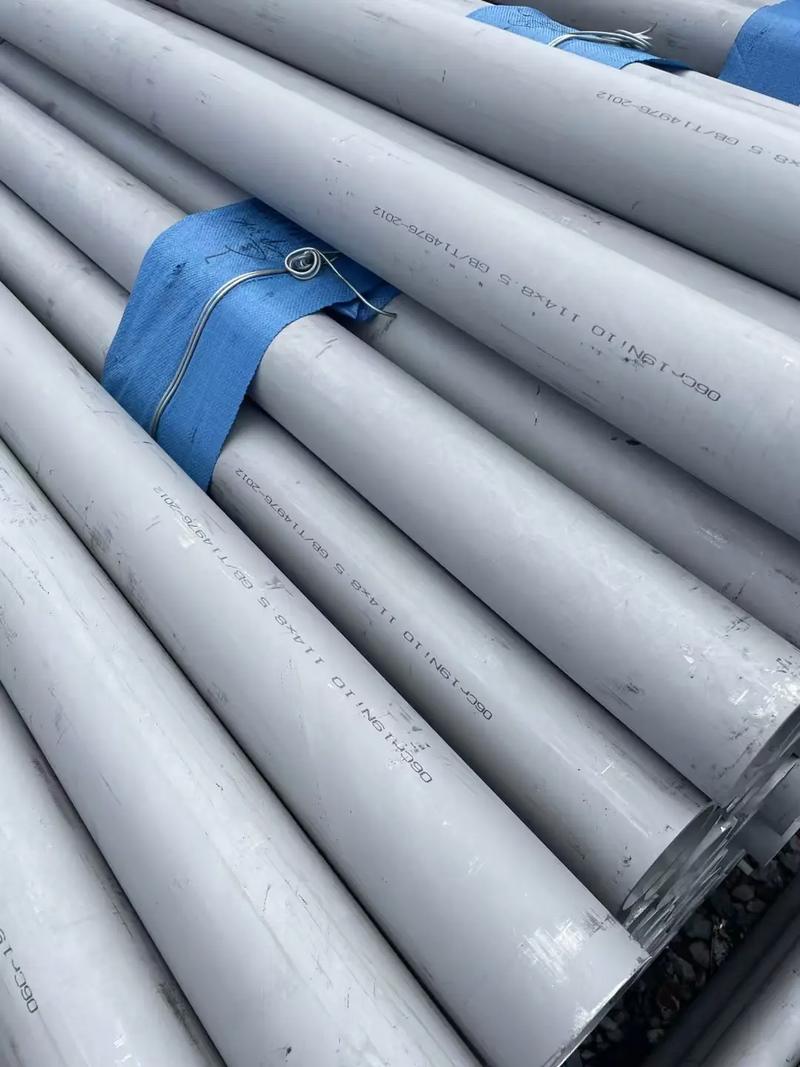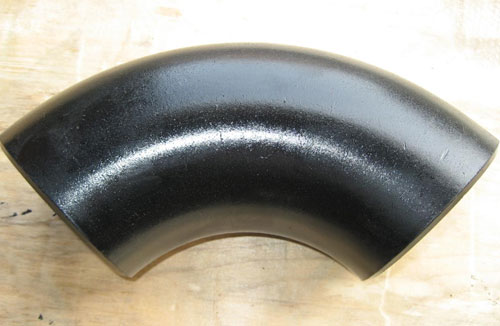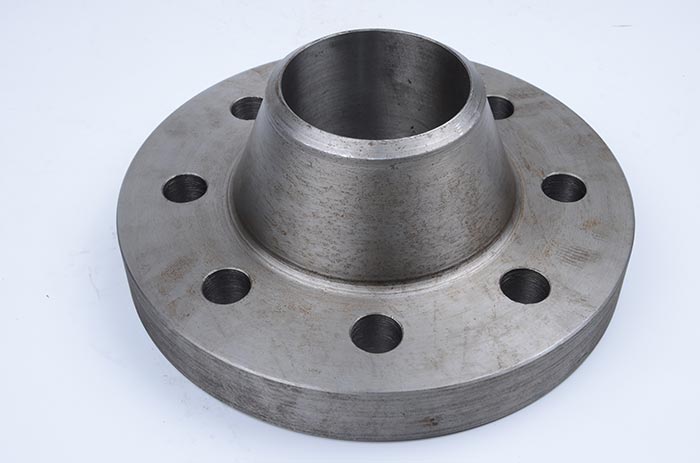

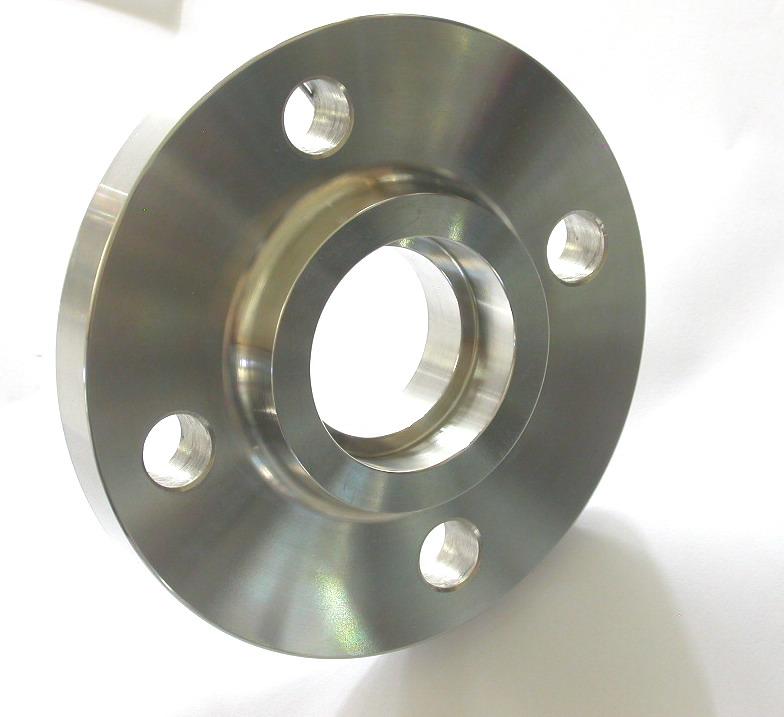
304/316L stainless steel flat welding flange, Ministry of Chemical Industry standard corrosion-resistant high-pressure pipeline connector
Category:
building materials/Pipe fittings/flange
Model:
15-500
Brand:
Yun Xun
Material:
304/316L stainless steel
Execution Standard:
HG/T 2059-2009
Nominal Diameter:
DN15-DN2000
pressure rating:
PN0.6-PN4.0 MPa
connection method:
Flat welding
Type of sealing surface:
RF/FF
Surface Treatment:
Polishing/Sandblasting
Operating temperature:
-20℃~450℃
Place of Origin:
Wenzhou, Zhejiang
Retail Price
10,000,000.00USD
重量
kg
- Product Description
-
Material 304/316L stainless steel
Execution Standard HG/T 2059-2009
Nominal Diameter DN15-DN2000
pressure rating PN0.6-PN4.0 MPa
connection method Flat welding
Type of sealing surface RF/FF
Surface Treatment Polishing/Sandblasting
Operating temperature -20℃~450℃
Place of Origin Wenzhou, Zhejiang
Description :
Flat welding flanges are common connecting components in chemical pipeline systems, mainly used to achieve reliable sealing connections between pipelines and valves, pumps, or other equipment. This product is designed and manufactured according to the standards of the Ministry of Chemical Industry, and is suitable for conveying corrosive media and high-temperature and high-pressure fluids in working environments. Made of high-quality stainless steel material, it has good acid and alkali corrosion resistance and mechanical strength, which can effectively prevent leakage and ensure production safety. Typical applications in pipeline systems in industries such as petroleum, chemical, pharmaceutical, and power, meeting various caliber requirements such as DN15-DN2000.
This product complies with the HG/T series flange standards of the Ministry of Chemical Industry. Common materials include 304 and 316L stainless steel. The surface has been polished or sandblasted, and the roughness is controlled within Ra3.2. The flange thickness is divided into multiple levels ranging from PN0.6MPa to PN4.0MPa according to different pressure levels. The bolt holes are evenly distributed, and the dimensional tolerance is strictly controlled within ± 0.5mm. The groove angle of the welding end is usually 30 ° -35 °, which is convenient for on-site butt welding. The product has undergone hydrostatic testing and non-destructive testing to ensure the absence of defects such as cracks and pores, and meets the requirements of relevant standards such as GB/T9119 and ASME B16.5.
When selecting, it is necessary to clarify the type of medium, working temperature, pressure rating, and outer diameter parameters of the pipeline. For environments with strong corrosive media such as hydrochloric acid and sulfuric acid, it is recommended to use 316L material; Ordinary water and steam media can use 304 material to reduce costs. Pay attention to distinguishing the application scenarios of flat welding flanges and butt welding flanges: Flat welding flanges are suitable for low-pressure, non severe cyclic working conditions, and are easy to install but slightly less rigid; If there is significant thermal expansion, contraction or vibration in the system, priority should be given to welding flanges. At the same time, it is necessary to confirm the specifications of the supporting bolts and gaskets to ensure the overall sealing of the connection system.
Before installation, it is necessary to clean the flange surface and pipeline ports of impurities to ensure that the welding area is dry and free of oil stains. During welding, the process of argon arc welding as the base and manual arc welding as the cover is adopted to control the interlayer temperature and avoid intergranular corrosion. During daily maintenance, it is necessary to regularly check whether there are signs of leakage at the flange connection, especially in working conditions with large temperature fluctuations. If aging gaskets or loose bolts are found, they should be tightened or replaced in a timely manner. It is recommended to conduct a stress test to ensure the reliability of the connection before restarting after long-term disuse. Avoid overpressure and overheating operation, and extend the service life of flat welding flanges.
AfterSalesService :
Key words: