
Sliding fluent shelf high-density storage first in first out warehousing solution
Category:
Transportation/Warehousing equipment/Storage shelves
Model:
Customizable
Brand:
Grainger
Storage principle:
First In First Out (FIFO)
Drive Type:
Gravity self sliding
Applicable goods:
Carton/turnover box/pallet
Retail Price
10,000,000.00USD
重量
kg
- Product Description
-
Storage principle First In First Out (FIFO)
Drive Type Gravity self sliding
Applicable goods Carton/turnover box/pallet
Description :
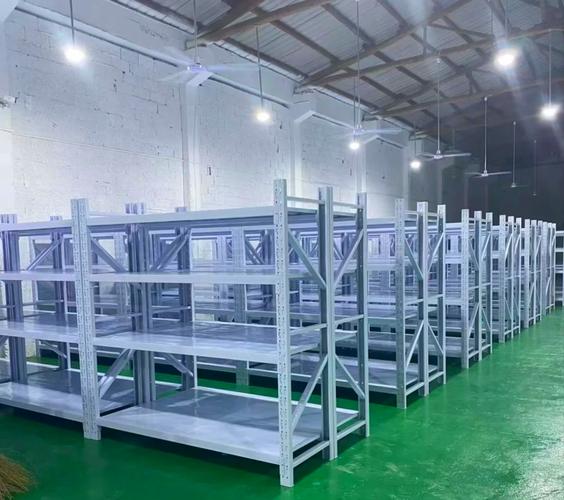
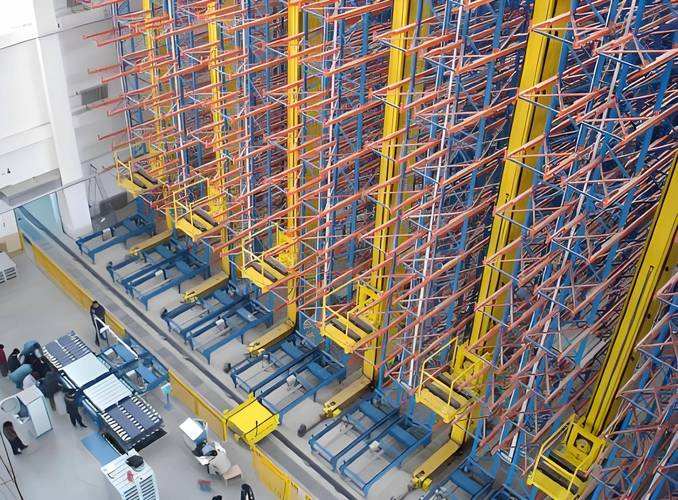
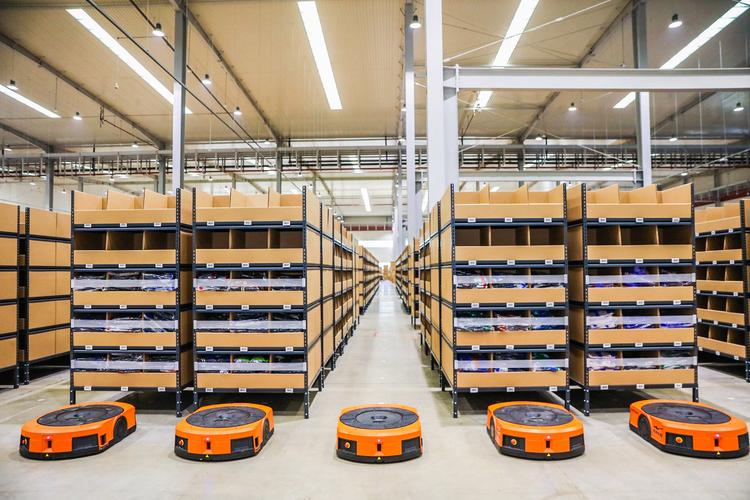
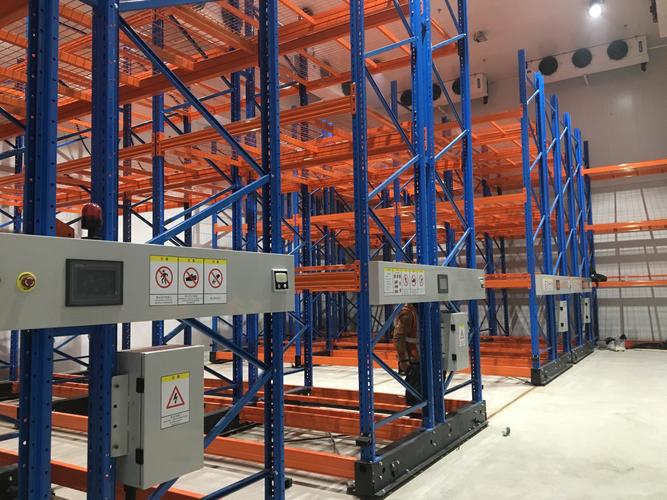
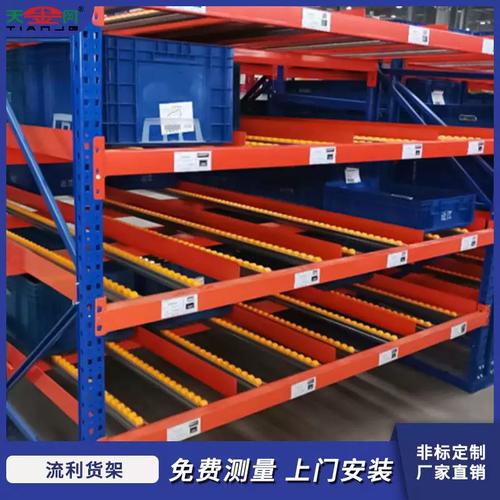
Sliding shelving is a high-density storage system that utilizes the self weight of goods to automatically slide from the inbound end to the outbound end. It mainly solves the problems of low space utilization rate, long picking path, and difficulty in strictly implementing the first in first out (FIFO) management principle of traditional crossbeam shelves. This category is particularly suitable for storage scenarios where the variety is relatively single, the turnover rate is high, and the goods are stored in bulk, such as food and beverage, pharmaceutical and chemical, cold chain logistics, and manufacturing parts warehouses. Through the action of gravity, goods slide smoothly on inclined tracks without the need for external power drive, reducing energy consumption and simplifying operational processes. It is one of the key equipment for improving operational efficiency in modern logistics centers.
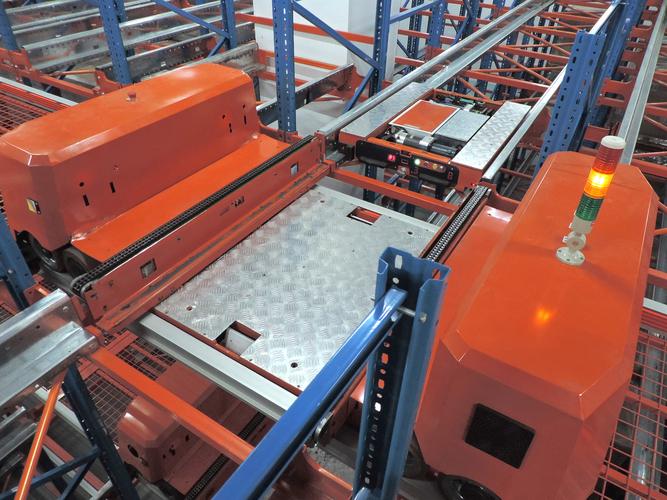
The core structure of a sliding shelf consists of column pieces, crossbeams, sliding tracks (fluent bars or rollers), dampers, and safety guardrails. The commonly used column specifications are 90 * 70 * 2.0mm or 100 * 80 * 2.5mm, and the material is mostly Q235B cold-rolled steel. The surface is treated with acid pickling, phosphating, and electrostatic spraying, which has excellent anti-corrosion and rust prevention performance. Sliding tracks are usually made of aluminum alloy or high-strength plastic, with an inclination angle generally designed between 3 ° and 5 ° to ensure smooth sliding of goods without impact damage. The carrying capacity varies depending on the design, with light weight reaching 50-100kg/㎡ and heavy weight reaching over 500kg/㎡. Implement the standard reference JB/T 8711-2006 "Classification and Code of Storage Shelves" and related steel structure design specifications to ensure structural stability and safety.
When selecting, it is important to consider the packaging form, weight and size, and turnover frequency of the goods. Sliding shelves are suitable for regular goods loaded in cardboard boxes, turnover boxes, or pallets. Irregular or fragile items should be carefully evaluated. Compared with through type shelves, sliding type shelves can strictly ensure first in first out, but the cost is slightly higher and the requirements for ground flatness are more stringent; When combined with an electronic tag picking system, it can significantly improve the accuracy of picking. If there is a significant difference in the weight of the goods, an adjustable damper should be installed to control the sliding speed. For ultra long, ultra wide or non rigid packaged goods, it is recommended to prioritize beam or shelf type shelves to avoid jamming or uneven loading, which may affect the stability of the system operation.
Before installing sliding shelves, it is necessary to ensure that the warehouse floor level error is within the allowable range, otherwise it may cause the goods to deviate or stagnate. In daily use, it is necessary to regularly check whether the flow bar is worn, deformed, or stuck by foreign objects, and whether the damper has failed and caused the sliding speed to be too fast. Overloading and stacking are strictly prohibited to avoid hitting the bottom of the column. Common faults include poor sliding of goods, often caused by insufficient inclination or dirty tracks, which need to be cleaned and adjusted in a timely manner; If the goods rush out of the end, the strength of the guardrail and the deceleration device need to be checked. Regularly tightening the connecting bolts and keeping the track clean can extend the service life of the sliding rack and ensure continuous and efficient operation.
AfterSalesService :
Key words:
More Products