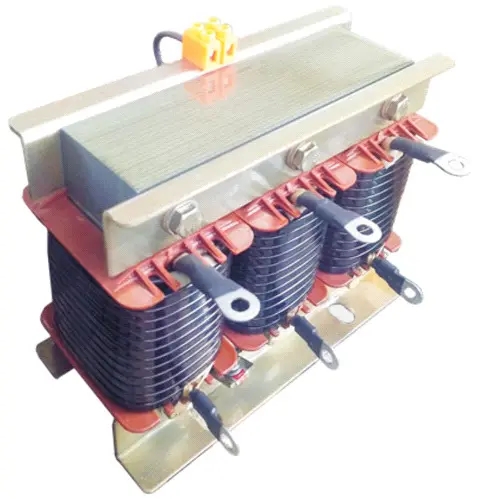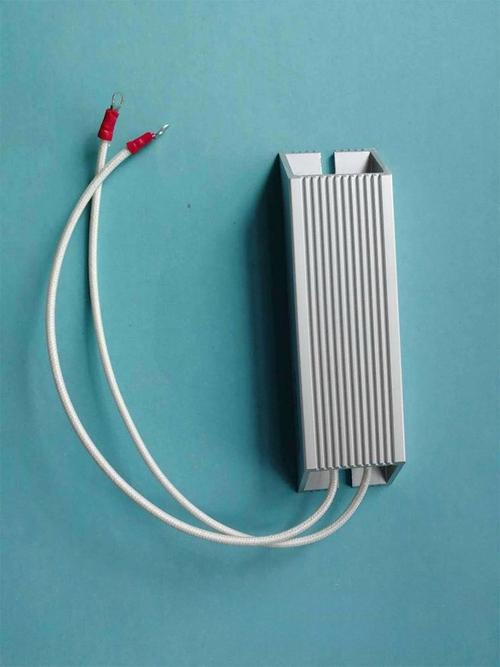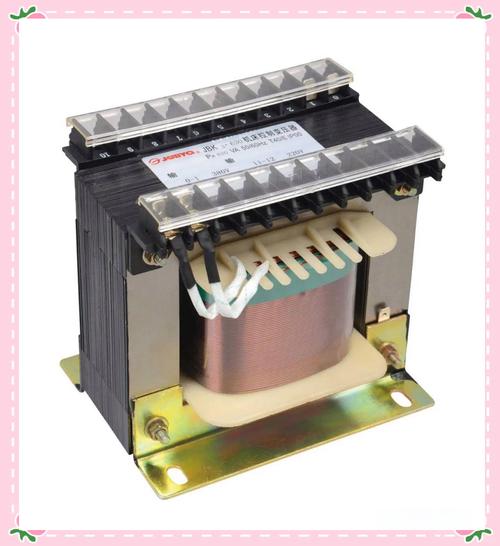

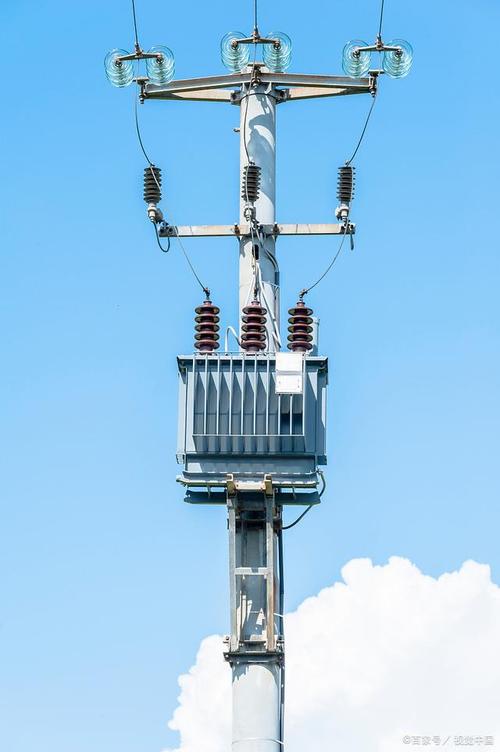
Three phase isolation transformer 380V to 380V industrial equipment supporting power isolation
Category:
energy/Transformers, inductors/Isolation transformer
Model:
dry-type transformer
Brand:
Hongkang Electric Appliances
rated frequency:
50Hz/60Hz
phase number:
three-phase
cooling method:
Dry self cooling/air-cooled
insulation class:
F-level/H-level
efficiency:
≥98%
Operating temperature:
-25℃~+45℃
altitude:
≤2000m
noise level:
≤55dB
Retail Price
10,000,000.00USD
重量
kg
- Product Description
-
rated frequency 50Hz/60Hz
phase number three-phase
cooling method Dry self cooling/air-cooled
insulation class F-level/H-level
efficiency ≥98%
Operating temperature -25℃~+45℃
altitude ≤2000m
noise level ≤55dB
Description :
A three-phase isolation transformer is a static electrical equipment used in power systems to achieve electrical isolation, mainly solving problems such as grid interference, voltage fluctuations, and equipment safety. It completely isolates the input side and output side circuits electrically through the principle of electromagnetic induction, effectively blocking common mode interference and ground loop current, and protecting the stable operation of precision instruments or automation control systems in the backend. This category is widely applicable to typical working conditions such as mechanical processing, medical equipment, laboratory testing, and export equipment matching, and is a key component for improving power supply quality.
The conventional three-phase isolation transformer adopts high-quality cold-rolled silicon steel sheet laminated iron core, combined with high-purity oxygen free copper winding, to ensure low loss and high efficiency. The common input/output voltage levels are 380V/380V, 380V/220V, or customized according to requirements, with a universal frequency of 50Hz/60Hz. The insulation level is usually F or H, and the protection level is IP20 or above, in accordance with national standards such as GB/T 14048.11. The structural design focuses on heat dissipation performance, often using natural or forced air cooling methods to ensure that the temperature rise is controlled within a reasonable range under rated load, and has strong overload capacity and resistance to short-circuit impact.
When selecting, it is necessary to clarify the rated capacity (kVA), input/output voltage ratio, wiring group (such as Dyn11), and installation environment requirements. If used for precision CNC machine tools or medical equipment, it is recommended to use shielded three-phase isolation transformers to enhance anti-interference effect; If used in humid or dusty environments, a higher protection level enclosed structure should be selected. Compared with ordinary autotransformers, three-phase isolation transformers, although slightly larger in size and higher in cost, provide true electrical isolation safety. It is strictly prohibited to replace autotransformers in situations where electrical isolation is required to avoid electric shock or equipment damage accidents.
When installing a three-phase isolation transformer, it should be ensured that the foundation is stable, the ventilation is good, the incoming and outgoing terminal connections are tight and meet the phase sequence requirements. Before use, it is necessary to check the insulation resistance and confirm that there are no short circuits or grounding faults before powering on. The focus of daily maintenance is to regularly clean the dust in the heat dissipation channel, check for signs of overheating and discoloration in the winding, and monitor for abnormal operating sound. Common faults include high temperature rise caused by overload or breakdown caused by insulation aging. It is recommended to conduct preventive tests every six months to monitor DC resistance and insulation performance to ensure long-term reliable operation.
AfterSalesService :
Key words: