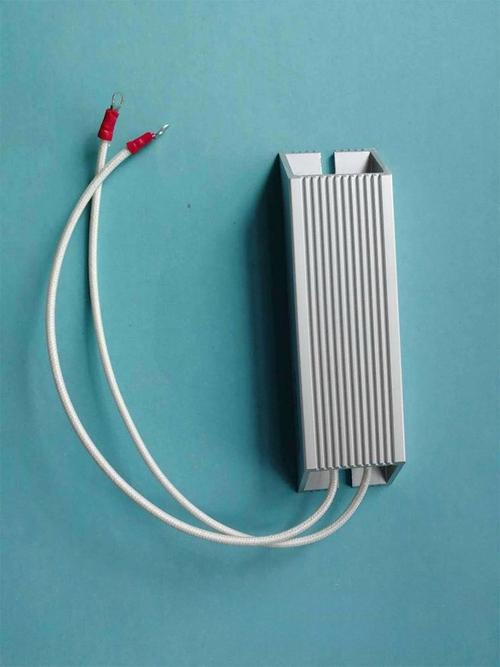

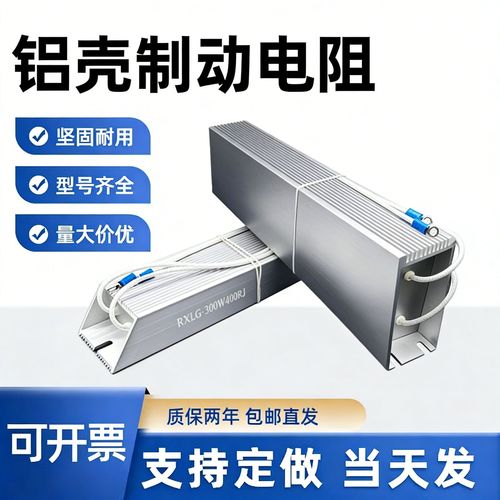
Aluminum shell resistor for braking load, high temperature resistance, good heat dissipation, high power
Category:
electron/Resistors and potentiometers/Through-hole resistor
Model:
resistance
Brand:
Hongkang
Shell material:
aluminum alloy
resistance tolerance :
±5%
temperature coefficient:
±200ppm/℃
insulation voltage:
≥2500VAC
Moisture resistance:
Relative humidity 95%
Load life:
1000 hours
Flame retardant rating:
UL94 V0
Installation Method:
Flange installation/screw fixation
Retail Price
10,000,000.00USD
重量
kg
- Product Description
-
Shell material aluminum alloy
resistance tolerance ±5%
temperature coefficient ±200ppm/℃
insulation voltage ≥2500VAC
Moisture resistance Relative humidity 95%
Load life 1000 hours
Flame retardant rating UL94 V0
Installation Method Flange installation/screw fixation
Description :
Braking aluminum shell resistor is a passive electronic component specifically designed to consume electrical energy, mainly solving the problem of regenerative energy feedback generated by frequency converters and servo drives during motor deceleration or stopping. By converting this excess energy into heat energy and dissipating it into the air, it prevents the DC bus voltage from being too high and damaging the equipment, ensuring the stable operation of the drive system. This category is typically used in heavy industrial scenarios that require frequent start stop, rapid braking, or the lowering of potential loads, such as cranes, elevators, centrifuges, and CNC machine tools. Its core function is to provide stable load impedance, with high power density and good instantaneous overload capability, making it an indispensable safety protection component in automation control systems.
The shell of this series of products is made of high-quality aluminum alloy material, and the surface is treated with anodizing or sprayed with high-temperature resistant paint, which has strong corrosion resistance and good heat dissipation performance. The internal resistor core is usually made of nickel chromium alloy or iron chromium aluminum alloy wire wound, and filled with thermal insulation materials such as magnesium oxide powder to ensure that heat can be quickly conducted to the surface of the aluminum shell. The common implementation standards comply with fixed resistor specifications such as IEC60115 or GB/T5729, and the protection level usually reaches IP20 or higher. Some customized models can reach IP54. The working temperature range is wide, and it can generally work stably for a long time in an environment of -55 ℃ to+150 ℃. It allows short-term overload multiples up to 5-10 times the rated power, depending on the pulse duration and duty cycle. It is suitable for use in harsh industrial environments.
When selecting a brake aluminum shell resistor, it is important to consider the accuracy of the resistance value, rated power, and installation method. The selection of resistance value should match the parameters of the braking unit of the frequency converter. If it is too small, it will cause the braking current to be too large and burn out the resistor. If it is too large, the braking effect will not be obvious; The power selection should be calculated based on the actual braking frequency and energy level, and it is recommended to leave a margin of 20% -30% to extend the service life. Compared with wire wound resistors, aluminum shell resistors have smaller volume, faster heat dissipation, and better non inductive characteristics, making them suitable for high-frequency pulse working conditions; Compared to corrugated resistors, it has higher mechanical strength and better seismic performance. If the application scenario involves outdoor or high humidity environments, it is recommended to choose models with flange mounting holes and special anti-corrosion treatment on the surface, and pay attention to distinguishing the differences between single resistors and series/parallel combination modules.
When installing the brake aluminum shell resistor, it is necessary to ensure sufficient heat dissipation space around it and avoid close contact with other heating elements. It is recommended to install it vertically to facilitate air convection. The wiring terminals should be crimped and fastened with copper noses to prevent excessive contact resistance from causing local overheating and breakage. In daily maintenance, it is necessary to regularly clean the dust and oil stains on the surface of the aluminum shell to prevent the covering layer from affecting the heat dissipation efficiency. At the same time, check whether the resistor has deformation, cracks, or discoloration, which are usually signs of long-term overload or poor heat dissipation. If the resistance deviation exceeds the allowable range (usually ± 5% or ± 10%), it should be replaced in a timely manner to prevent affecting the normal working logic of the braking unit and ensure the safety and reliability of the entire transmission system.
AfterSalesService :
Key words: