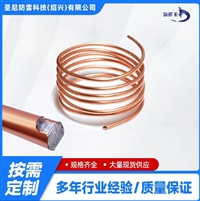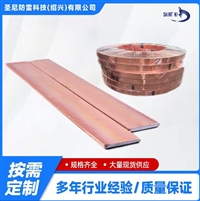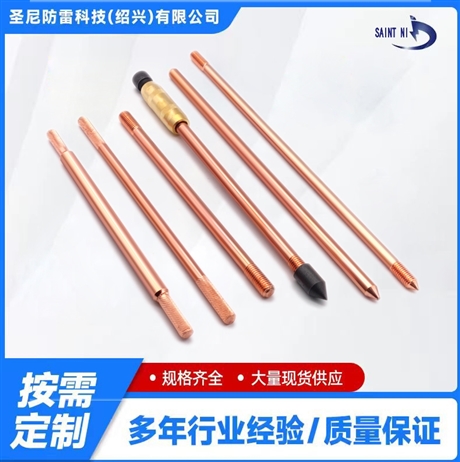

Saint Ni lightning protection copper-clad steel grounding rod, copper-clad steel grounding rod, copper-clad steel grounding rod, copper-clad steel grounding electrode
Category:
Security/Lightning protection and lightning protection products/Lightning protection and lightning protection products
Model:
14/16/18/14.2/15.8/17.2
Brand:
SAINT NI
Material Structure:
Copper clad steel composite
Copper layer adhesion:
Bend 180 degrees without falling off
electrical conductivity:
Excellent, low resistivity
Impact resistance:
Resist high current impact
Uniformity of copper layer:
evenly distributed
Corrosion resistance:
Strong and adaptable to harsh soil conditions
mechanical strength:
High, not easily deformed
Applicable standard:
ASTM B826/IEC 62305
Retail Price
10,000,000.00USD
重量
kg
- Product Description
-
Material Structure Copper clad steel composite
Copper layer adhesion Bend 180 degrees without falling off
electrical conductivity Excellent, low resistivity
Impact resistance Resist high current impact
Uniformity of copper layer evenly distributed
Corrosion resistance Strong and adaptable to harsh soil conditions
mechanical strength High, not easily deformed
Applicable standard ASTM B826/IEC 62305
Description :
Copper clad steel grounding rod is a lightning protection grounding material composed of a high conductivity copper layer and a high-strength steel core through a special process. It mainly solves the problems of high cost, low strength, and easy corrosion and short service life of traditional pure copper grounding bodies, as well as ordinary galvanized steel. This product is typically used in lightning protection and grounding engineering for power system substations, communication base stations, petrochemical facilities, and high-rise buildings, and can maintain stable electrical connections in harsh soil environments. Its core advantage lies in the combination of the mechanical strength of steel and the excellent conductivity of copper, which can withstand the huge impact force during construction and ensure the rapid leakage of lightning current or fault current into the ground, ensuring the safety of equipment and personnel. It is a highly cost-effective basic product in modern grounding engineering.
The manufacturing process of the copper-clad steel grounding rod ensures molecular bonding between the copper layer and the steel core, with uniform distribution and controllable thickness of the copper layer, usually in accordance with relevant international standards such as ASTM B826 or IEC 62305. Its significant feature is that after rigorous bending testing, the copper plating layer still adheres tightly after bending 180 degrees, without peeling or detachment, proving its extremely strong bonding force. The product has excellent resistance to high current impact, and will not cause the connection point to melt or the material structure to be damaged due to thermal effects when high-intensity lightning strikes or short-circuit currents pass through. In terms of conductivity, its surface resistivity is low, its current carrying capacity far exceeds that of galvanized steel of the same specification, and its corrosion resistance is superior. It can still maintain a long service life in acidic or alkaline soil, reducing the frequency of maintenance and replacement in the later stage.
When selecting copper-clad steel grounding rods, the specifications should be determined based on the grounding resistance requirements of the engineering design, soil corrosiveness, and mechanical strength requirements. Suitable for scenarios that require long-term stable operation and high grounding reliability, such as high-voltage transmission line tower foundations, data center grounding grids, etc. Not suitable for simple grounding scenarios that are extremely cost sensitive and temporarily used, alternatives such as galvanized angle steel can be considered. Compared with pure copper grounding rods, copper-clad steel grounding rods significantly reduce material costs and improve tensile strength while maintaining similar conductivity; Compared with galvanized steel, its corrosion resistance and conductivity have made a qualitative leap. When purchasing, special attention should be paid to the copper layer thickness index and bonding strength test report to ensure compliance with design specifications.
When installing copper-clad steel grounding rods, it is recommended to use a dedicated drive head in conjunction with a hydraulic hammer or impact drill to drive them vertically into the ground to avoid direct impact on the end causing deformation or damage to the copper layer. The connection should use exothermic welding or high-strength copper-clad steel connectors to ensure the continuity and low resistance characteristics of the electrical circuit. In daily maintenance, it is recommended to regularly check the grounding resistance value and inspect the exposed parts for signs of mechanical damage or severe corrosion. Common faults include increased contact resistance caused by oxidation of connection points, which can be solved by cleaning the connection surface and applying conductive paste. If soil settlement or exposure is found around the grounding rod, it should be backfilled and compacted in a timely manner to prevent fracture caused by stress concentration. Proper installation and maintenance can ensure that this category can stably perform its lightning protection and grounding function for decades.
AfterSalesService :
Key words: