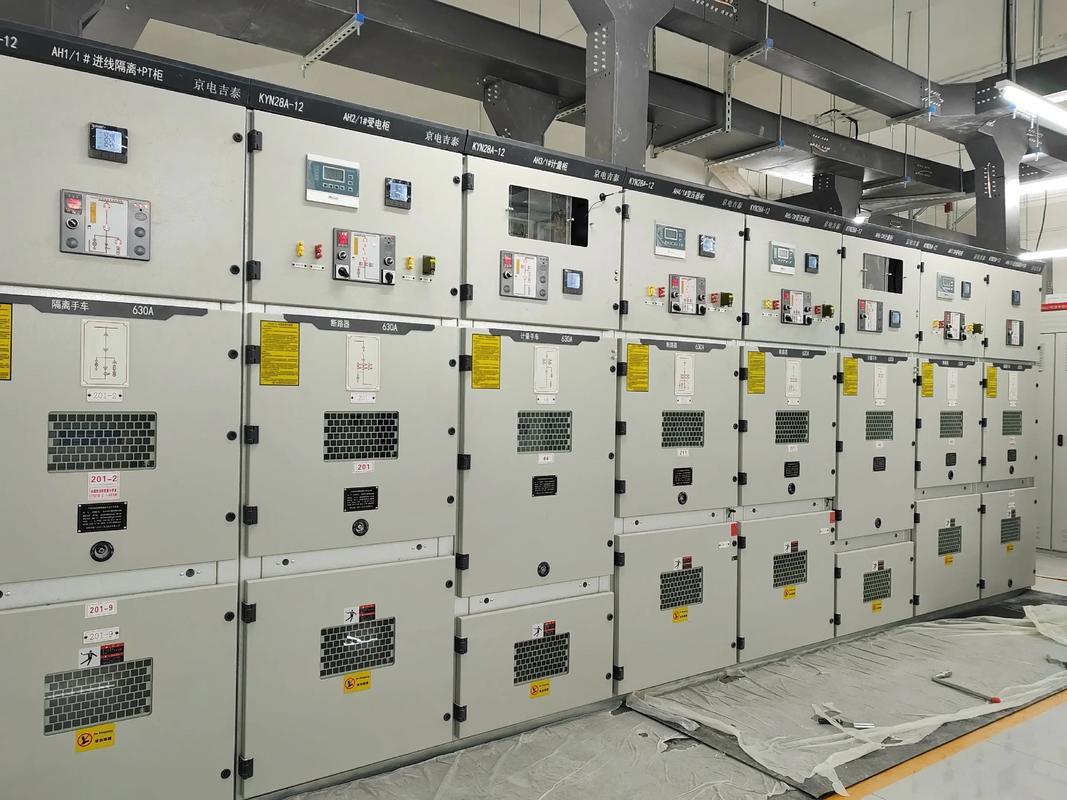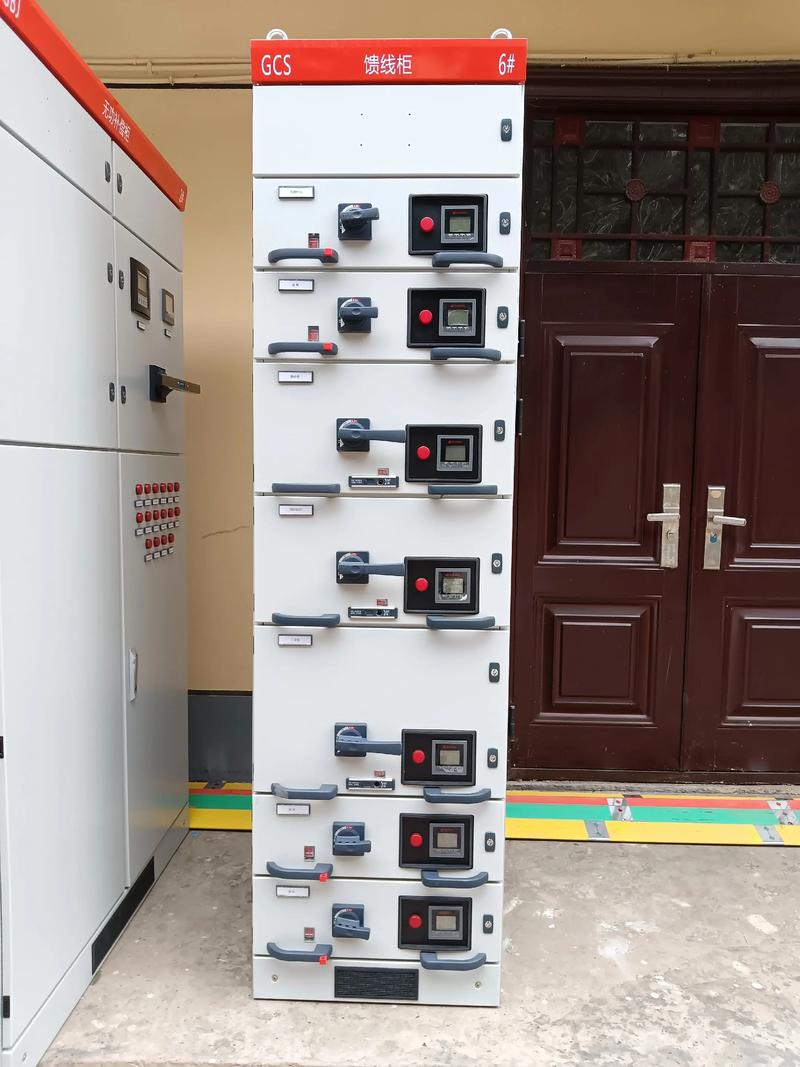

GCS low-voltage withdrawable switchgear fixed partition structure distribution system outgoing line control
Category:
Electrical Engineering/Low voltage electrical appliances/Low voltage switchgear
Model:
GCS
Brand:
Patriotic Electric
Rated insulation voltage:
660V
Rated working voltage:
380V
rated frequency:
50Hz
Rated current of horizontal busbar:
≤4000A
Rated current of vertical busbar:
1000A
Rated short-time withstand current:
50kA/1s
Protection rating:
IP30/IP40
Overall dimensions:
800×600×2200mm
Execution Standard:
GB7251.1
Retail Price
10,000,000.00USD
重量
kg
- Product Description
-
Rated insulation voltage 660V
Rated working voltage 380V
rated frequency 50Hz
Rated current of horizontal busbar ≤4000A
Rated current of vertical busbar 1000A
Rated short-time withstand current 50kA/1s
Protection rating IP30/IP40
Overall dimensions 800×600×2200mm
Execution Standard GB7251.1
Description :
GCS low-voltage outgoing cabinet is a low-voltage switchgear widely used in power plants, substations, and industrial and mining enterprise distribution systems. This device is mainly used in power systems with three-phase AC 50Hz and rated working voltage of 380V, as the core node for functions such as energy distribution, centralized control of motors, and capacitor compensation. The GCS low-voltage outgoing cabinet adopts a modular design, which can effectively solve the problems of complex wiring and difficult maintenance of traditional distribution cabinets. It is particularly suitable for large industrial sites that require high power supply continuity, a large number of circuits, and flexible expansion, ensuring the safe and stable operation of the power system.
The structural design of GCS low-voltage outgoing cabinet follows strict electrical safety standards. The cabinet body is usually made of high-quality cold-rolled steel plates bent and welded, and the surface is treated with electrostatic spraying, which has good anti-corrosion and rust prevention performance. The internal functional unit room, busbar room, and cable room are independently isolated from each other, with a protection level usually reaching IP30 or IP40, effectively preventing foreign objects from entering and personnel from accidentally touching live parts. The main busbar adopts high conductivity copper bars, and the connections are treated with tin plating or silver plating to reduce contact resistance. The layout of components inside the cabinet is reasonable, with the primary and secondary circuits separated, in compliance with national standards such as GB7251.1, ensuring the insulation performance and mechanical strength of the equipment under long-term high load operation.
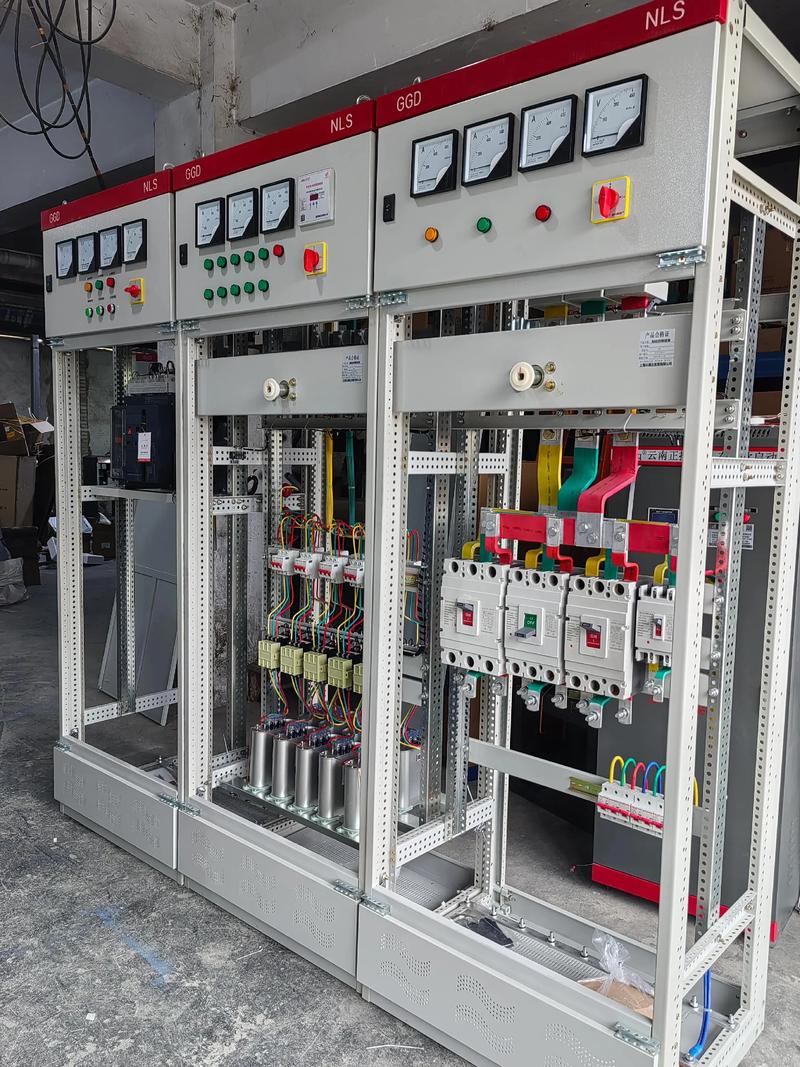
When selecting GCS low-voltage outgoing cabinets, it is important to consider the rated current, short-circuit breaking capacity, and size specifications of drawer units. This cabinet supports drawer units of different heights such as 8E, 16E, 24E, etc., and can be flexibly combined according to actual load requirements. The maximum current can reach over 4000A. Compared with traditional GGD fixed cabinets, the advantage of GCS low-voltage outgoing cabinets is strong drawer interchangeability, fast fault replacement speed, but relatively high cost; Compared with MNS cabinets, GCS has more advantages in localization and cost-effectiveness. If the on-site space is limited or there are few circuits, evaluate whether to choose a compact solution; If there are extremely high requirements for intelligent monitoring, it is necessary to confirm whether communication interfaces and installation positions for intelligent instruments are reserved.
The installation of GCS low-voltage outgoing cabinet must ensure that the levelness error of the foundation channel steel is within the allowable range, and the verticality and flatness of the panel after cabinet splicing must comply with the specifications. In daily maintenance, the contact condition of drawer connectors should be regularly checked, dust should be cleaned to prevent crawling, and the busbar connection bolts should be checked for looseness. The typical usage cycle can reach 15-20 years, and it is recommended to conduct power outage cleaning and insulation testing every six months. Common faults include drawers not being pushed in properly, poor contact of secondary plugs, etc. Operators should be familiar with the use of mechanical interlocking mechanisms, and it is strictly prohibited to forcefully operate drawers with electricity to ensure personal and equipment safety and extend the service life of GCS low-voltage outgoing cabinets.
AfterSalesService :
Key words:
More Products