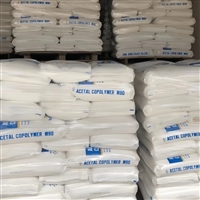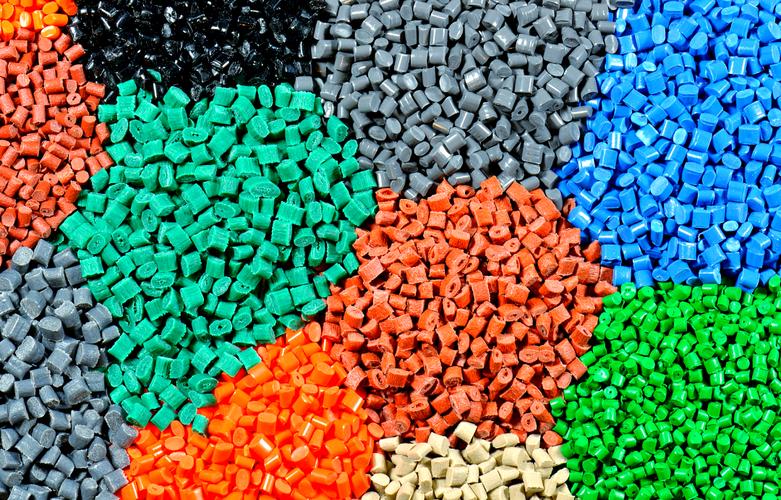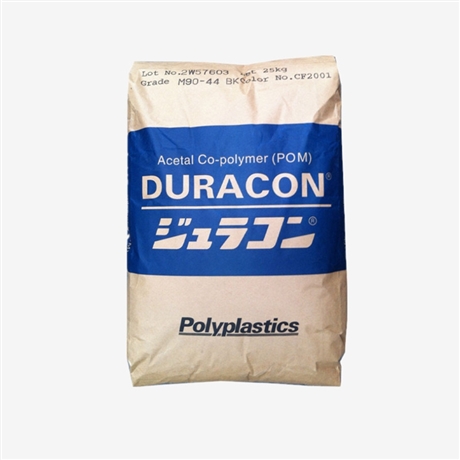


Japanese Baoli POM 90-44 high rigidity wear-resistant engineering plastic pellets in stock in Shanghai
Category:
Rubber and plastic/engineering plastic/POM
Model:
90-44
Brand:
Polyplastics Japan
density:
1.41 g/cm³
Melt Flow Index:
9 g/10min
tensile strength:
62 MPa
flexural modulus:
2800 MPa
water absorption rate:
0.25 %
Molding shrinkage rate:
2.0 %
Heat Deflection Temperature:
110 ℃
Flame retardant rating:
HB
Place of Origin:
Japan
Processing method:
injection molding
Retail Price
10,000,000.00USD
重量
kg
- Product Description
-
density 1.41 g/cm³
Melt Flow Index 9 g/10min
tensile strength 62 MPa
flexural modulus 2800 MPa
water absorption rate 0.25 %
Molding shrinkage rate 2.0 %
Heat Deflection Temperature 110 ℃
Flame retardant rating HB
Place of Origin Japan
Processing method injection molding
Description :
Japanese Baoli 90-44 is a high-performance polyoxymethylene (POM) copolymer engineering plastic particle, mainly used to solve the problems of service life and accuracy maintenance of mechanical components under high load and high wear conditions. This material has extremely high crystallinity, endowing it with excellent rigidity, hardness, and dimensional stability. It is typically used in industrial scenarios that require precision fitting and withstand repeated friction. As a commonly used injection molding material in circulation in Shanghai, it can effectively replace metal parts to achieve lightweighting while maintaining excellent mechanical strength. It is suitable for fields such as automotive parts, electronic and electrical structural components, and precision gear manufacturing, and is an ideal substrate for balancing the forming and durability of complex structural components.
The POM plastic particles exhibit excellent physical and mechanical properties, with a density typically around 1.41g/cm ³ and a moderate melt index, ensuring good fluidity and forming processing window. Its tensile strength can reach over 60MPa, and its bending modulus exceeds 2800MPa, demonstrating excellent creep resistance and fatigue resistance. The surface friction coefficient of the material is low, and it has good self-lubricating properties. It can work for a long time under dry friction conditions without the need for additional lubricants. The implementation standards comply with ISO and ASTM related engineering plastic testing specifications, and have passed environmental certifications such as RoHS to ensure compliance in various export electronic products and automotive interior parts. The quality stability between batches is high, making it suitable for automated continuous injection molding production.
When selecting, it is necessary to clarify that Japanese Baoli 90-44 belongs to unfilled homopolymer or copolymer base grades, suitable for scenarios where there are no special color requirements or subsequent coloring treatment can be carried out. If the working conditions involve extremely high temperatures (exceeding 100 ℃ for a long time) or strong acid environments, it is recommended to evaluate special modified grades with higher heat resistance or chemical corrosion resistance; If higher rigidity or thermal conductivity is required, the addition of fiberglass or carbon fiber reinforcement models should be considered. Compared with PA66, POM has more advantages in water absorption control and its size is less affected by humidity; Compared with ABS, it has better wear resistance and solvent resistance. When purchasing, it is necessary to confirm whether it is raw material to avoid the mixing of recycled materials that may affect the mechanical properties and appearance glossiness of the final product.
It is recommended to dry at 80-90 ℃ for 2-4 hours before use to remove surface moisture and prevent silver lines or bubble defects during injection molding. The temperature of the injection molding machine barrel is usually set between 190-210 ℃, and the mold temperature is controlled between 80-100 ℃ to achieve the best surface finish and crystallinity. In daily maintenance, attention should be paid to the sensitivity of POM materials to ultraviolet radiation. For outdoor use, stabilizers or coatings should be added for protection. Common faults such as product warping are often caused by uneven cooling or insufficient pressure holding, which can be improved by optimizing gate design and adjusting pressure holding time. When storing, it should be placed in a cool and dry place to avoid packaging damage that may cause moisture absorption or contamination. After opening, it should be used as soon as possible to ensure stable material properties.
AfterSalesService :
Key words: