
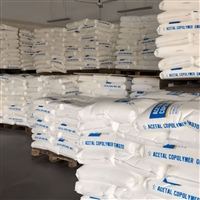
Yuntianhua POM plastic particles are high rigidity, wear-resistant engineering plastic raw materials
Category:
Rubber and plastic/engineering plastic/POM
Model:
twenty-five
Brand:
Yuntianhua
density:
1.41-1.43 g/cm³
water absorption rate:
0.2%-0.5%
tensile strength:
60-70 MPa
flexural modulus:
2800-3100 MPa
melting point:
165-175 ℃
Continuous use temperature:
-40-100 ℃
drying temperature:
80-90 ℃
Processing temperature:
190-210 ℃
Retail Price
10,000,000.00USD
重量
kg
- Product Description
-
density 1.41-1.43 g/cm³
water absorption rate 0.2%-0.5%
tensile strength 60-70 MPa
flexural modulus 2800-3100 MPa
melting point 165-175 ℃
Continuous use temperature -40-100 ℃
drying temperature 80-90 ℃
Processing temperature 190-210 ℃
Description :
POM plastic pellets are a high-performance thermoplastic engineering plastic, also known as polyoxymethylene. It mainly solves the problem of the service life of mechanical components under high load and high wear conditions, and is typically applied in the fields of automobiles, electronic appliances, and precision machinery. As a crystalline polymer, POM has extremely high rigidity and hardness, while maintaining excellent toughness. The POM raw materials produced by Yuntianhua have a good reputation in the industry, with a tight molecular structure that endows the material with excellent dimensional stability and creep resistance. This material can maintain stable physical properties over a wide temperature range and is an ideal choice for replacing metal manufacturing of transmission components such as gears, bearings, and camshafts. It can effectively reduce equipment noise and improve transmission efficiency.
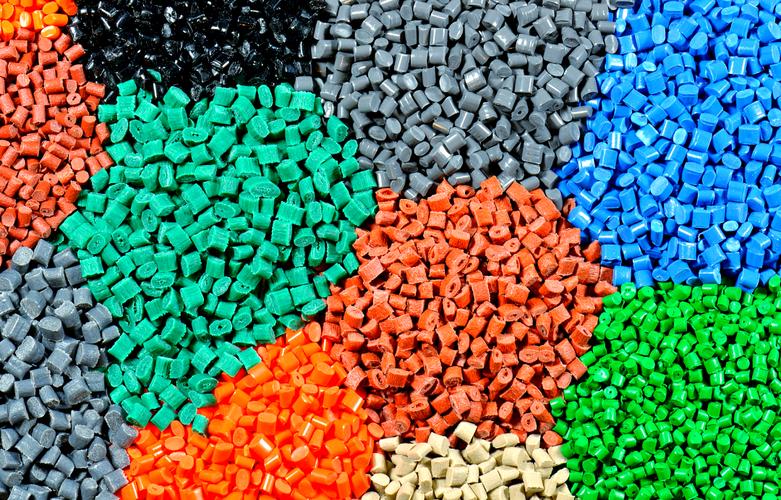
The appearance of POM plastic particles is usually natural colored or black cylindrical particles, with a smooth surface and no impurities. Its density is about 1.41-1.43g/cm ³, and its water absorption rate is extremely low, only 0.2% -0.5%. Therefore, it can still maintain excellent electrical insulation and dimensional accuracy in humid environments. The tensile strength of the material is usually between 60-70 MPa, and the bending modulus can reach 2800-3100 MPa, demonstrating extremely strong resistance to deformation. Low friction coefficient and good self-lubricating properties, allowing for long-term operation under dry friction conditions without the need for additional lubricants. The execution standard complies with GB/T 26712 or relevant industry standards, and has passed ISO9001 quality system certification. The melting point is generally between 165-175 ℃, and the continuous use temperature range is -40 ℃ to 100 ℃. It can withstand higher temperatures in the short term without significant performance degradation.
When selecting, it is necessary to clarify the requirements for strength, wear resistance, and chemical resistance in specific application scenarios. POM plastic particles are suitable for manufacturing high-precision, high load mechanical parts, such as fuel pump components, door and window pulleys, zipper teeth, etc. If the working conditions involve strong acids, strong oxidants, or high-temperature steam environments, it is not recommended to use standard grade POM. Modified varieties or replacement with more corrosion-resistant materials such as PPS and PEEK should be considered. Compared with nylon (PA), POM has lower water absorption and better dimensional stability, but slightly lower heat resistance; Compared with ABS, POM has better rigidity and wear resistance, but slightly weaker impact strength. When purchasing, attention should be paid to the melt flow rate (MFR) parameters. Different flowability grades are suitable for different processing techniques such as injection molding and extrusion to ensure the filling effect of the mold and the surface quality of the product.
It is recommended to dry POM plastic particles in a hot air dryer at 80-90 ℃ for 2-4 hours before use to remove surface moisture and avoid silver lines or bubbles during the injection molding process. The processing temperature is usually controlled between 190-210 ℃, and maintaining the mold temperature at 80-100 ℃ helps to improve the crystallinity and surface gloss of the product. In daily maintenance, attention should be paid to avoiding contact with strong acids, phenols, halogenated hydrocarbons and other solvents to prevent stress cracking. Common faults include product size deviation or rough surface, which are often related to insufficient drying or fluctuations in processing temperature. Regularly check the wear of transmission components. Although POM has excellent wear resistance, it is still necessary to pay attention to protection when working in media containing hard particles to extend the overall service life of the equipment.
AfterSalesService :
Key words: