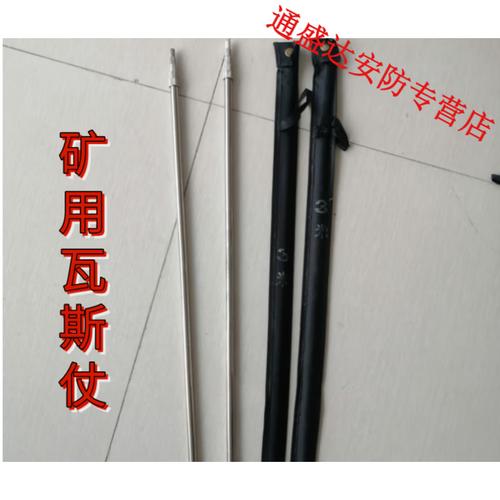

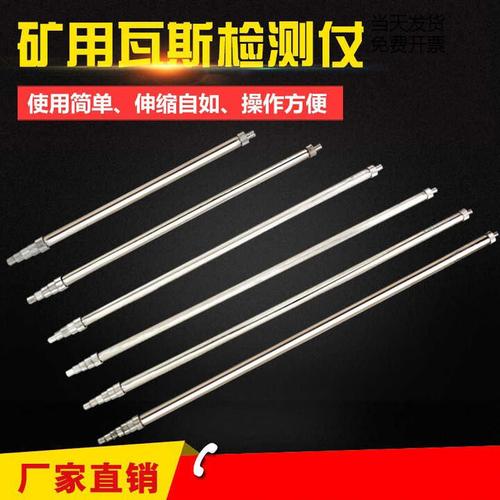
Mining gas inspection cane methane detection rod 1.5-meter-4-meter optional explosion-proof and lightweight
Category:
Medical maintenance/Health products/Crutches and canes
Model:
WZ-2
Brand:
Weiken
Product Model:
WZ-2
Optional length:
1.5 meters to 7 meters
main purpose:
Methane gas extension detection
Applicable Environment:
High roof/blind spot underground in coal mines
Material characteristics:
Lightweight, high-strength/insulated, anti-static
structural form:
Hollow through tube type
connection method:
Threaded or plug-in fixation
auxiliary equipment:
Portable gas detector
Retail Price
10,000,000.00USD
重量
kg
- Product Description
-
Product Model WZ-2
Optional length 1.5 meters to 7 meters
main purpose Methane gas extension detection
Applicable Environment High roof/blind spot underground in coal mines
Material characteristics Lightweight, high-strength/insulated, anti-static
structural form Hollow through tube type
connection method Threaded or plug-in fixation
auxiliary equipment Portable gas detector
Description :
Gas inspection cane is a specialized auxiliary tool in coal mine safety detection operations, mainly used to extend the detection distance and solve the problem of gas concentration sampling in areas that are difficult for personnel to directly reach, such as high ceilings and blind spots in tunnels. The WZ-2 gas inspection cane, based on the principle of physical extension, is used in conjunction with a portable methane detector or an optical interference gas detector to ensure that the detection probe can accurately reach the test point. Typical working conditions include high gas accumulation risk areas such as the return airway of the coal mining face, the top of the excavation head, and deep blind alleys, which are essential equipment to ensure the safety of miners and meet the testing requirements of the Coal Mine Safety Regulations.
The WZ-2 gas inspection cane is usually made of high-strength lightweight materials, such as aluminum alloy or insulated fiberglass, to ensure durability and safety in humid and corrosive mine environments. The product specifications cover two common lengths of 1.5 meters and 4 meters, meeting the detection needs of tunnels at different depths. The structure of the tube body is mostly hollow, and the sampling rubber tube can be inserted inside. The external surface has been treated with anti slip and anti-oxidation properties. The execution standard refers to the relevant specifications of mining rescue equipment, which has basic impact resistance and insulation performance. Some high-end models may require explosion-proof certification to ensure that no static sparks are generated when operating in flammable and explosive gas environments, ensuring intrinsic safety.
When selecting, the length should be determined based on the specific height of the mine tunnel and the detection blind zone range. The 1.5-meter specification is suitable for close range inspection of conventional tunnels and low working faces, with easy portability and flexible operation; The 4-meter specification is designed specifically for high roof tunnels, large chambers, or scenes that require remote detection to avoid personnel entering hazardous areas. If there is strong electromagnetic interference in the detection environment or strict explosion-proof measures are required, it should be confirmed whether the cane material is fully insulated non-metallic material. Compared with ordinary bamboo or metal poles, specialized gas inspection canes have more advantages in weight control, pipeline fixing methods, and ergonomic design of handles, which can significantly reduce fatigue during long-term operations.
In daily use, the WZ-2 gas inspection cane tube should be kept unobstructed, and residual coal dust or water vapor inside should be regularly cleaned to prevent blockages in the sampling pipeline from affecting the accuracy of detection data. The sealing of the connection needs to be checked to ensure that there is no leakage in the sampling gas path. When stored, it should be placed in a dry and ventilated place to avoid deformation under heavy pressure or scratching the surface insulation layer with sharp objects. When the rod body is found to be bent, cracked, or the connecting thread slips, it should be immediately stopped from use and replaced. It is strictly prohibited to weld or repair it without authorization to avoid damaging its insulation or mechanical strength. Regularly inspect the anti slip layer of the handle to ensure a stable grip and prevent slipping accidents caused by wet and slippery underground environments.
AfterSalesService :
Key words:
More Products