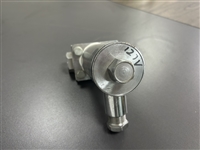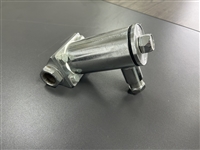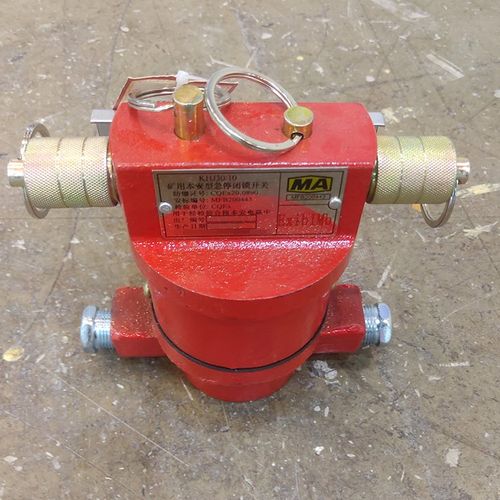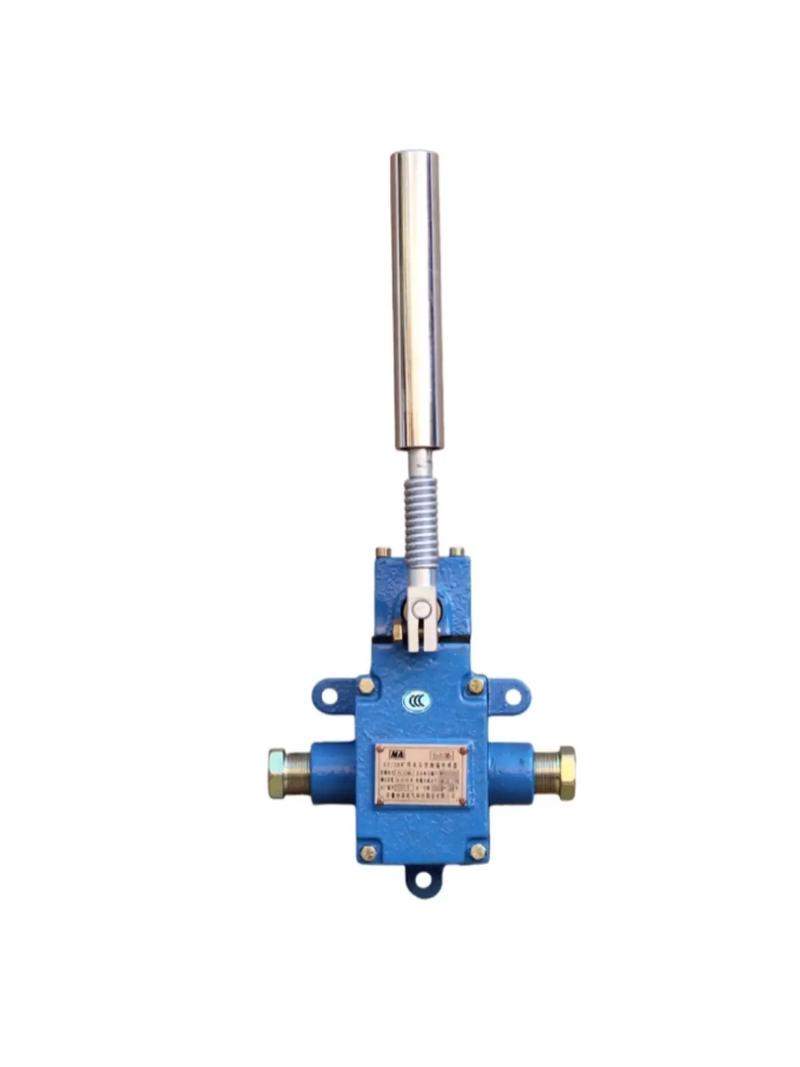

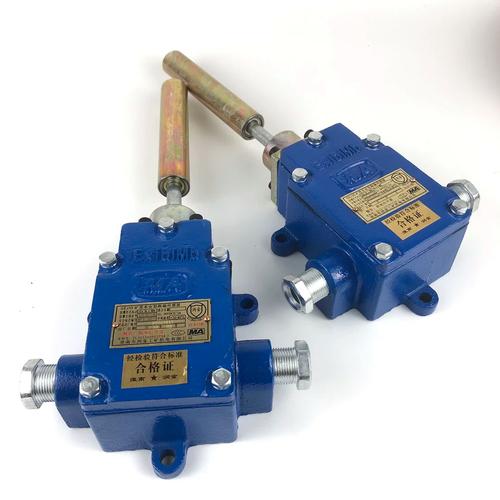
GEJ30 Mining Deviation Sensor Explosion proof Belt Conveyor Position Protection
Category:
electron/Sensors, sensitive components/Displacement sensor
Model:
GEJ30
Brand:
Weiken
Working voltage:
DC 12V/24V
output signal:
Passive contact/active level
Protection rating:
IP65
Explosion-proof marking:
Ex d I Mb
Action angle:
Level 1 10 °/Level 2 25 °
Operating temperature:
-20℃~+40℃
Shell material:
Cast steel/stainless steel
wiring method:
Cable entry device
Retail Price
10,000,000.00USD
重量
kg
- Product Description
-
Working voltage DC 12V/24V
output signal Passive contact/active level
Protection rating IP65
Explosion-proof marking Ex d I Mb
Action angle Level 1 10 °/Level 2 25 °
Operating temperature -20℃~+40℃
Shell material Cast steel/stainless steel
wiring method Cable entry device
Description :
The GEJ30 mining deviation sensor is a position protection device designed specifically for underground belt conveyors in coal mines. It is mainly used to detect whether the conveyor belt deviates from the centerline during operation. When the conveyor belt deviates slightly or severely, the equipment can promptly send an electrical signal, and the linkage control system will alarm or shut down to prevent material scattering, wear, and even fire accidents caused by deviation. It is suitable for mining environments with methane mixed gas and coal dust explosion hazards, and is a key component to ensure the safe and stable operation of the conveying system. It is widely used in bulk material conveying scenarios such as mines, power plants, and ports.
The GEJ30 mining deviation sensor adopts a sturdy metal shell packaging, which has excellent explosion-proof performance and complies with relevant safety standards for electrical equipment used in coal mines. Its internal core components usually include high-precision travel switches or proximity sensing modules, and the action angle is generally set at two levels of protection: a warning signal is issued when the first level deviates (such as 10 ° -15 °), and an emergency stop is triggered when the second level deviates (such as 25 ° -30 °). The working voltage is mostly DC 12V or 24V, and the output signal form is often passive contact or active level signal. The protection level reaches IP65 or above, which can adapt to harsh working conditions such as humidity and high dust underground, ensuring long-term reliability and stability.
When selecting the GEJ30 mining deviation sensor, it is important to confirm the spatial dimensions of the installation location and the operating speed of the conveyor belt. This model is usually suitable for various belt conveyors with a bandwidth of 800mm to 2000mm. If the on-site environment is highly corrosive, it is recommended to choose the version with a stainless steel shell material; If it is necessary to connect to the PLC control system, it should be checked whether the output signal type matches (such as NPN/PNP or dry contact). Compared with ordinary limit switches, GEJ30 is specially designed with a roller or vertical roller structure, which can more sensitively capture the edge displacement of the conveyor belt and reduce misoperation. Not suitable for non explosion proof areas or precision transmission applications that require extremely high response speed.
When installing the GEJ30 mining deviation sensor, it should be fixed on both sides of the conveyor frame to ensure that the detection roller maintains an appropriate gap (usually 50mm-100mm) with the edge of the conveyor belt, and to ensure that the roller rotates flexibly without obstruction. In daily maintenance, it is necessary to regularly clean the coal dust accumulation on the surface of the sensor and check the sealing of the junction box to prevent water and moisture. Common faults include signal interruption caused by contact oxidation, reset failure caused by mechanical structure deformation, etc. It is recommended to conduct action tests once every quarter to simulate deviation conditions and verify whether the signal output is normal, in order to ensure that the protective device is always in an effective working state and extend the service life of the equipment.
AfterSalesService :
Key words:
More Products