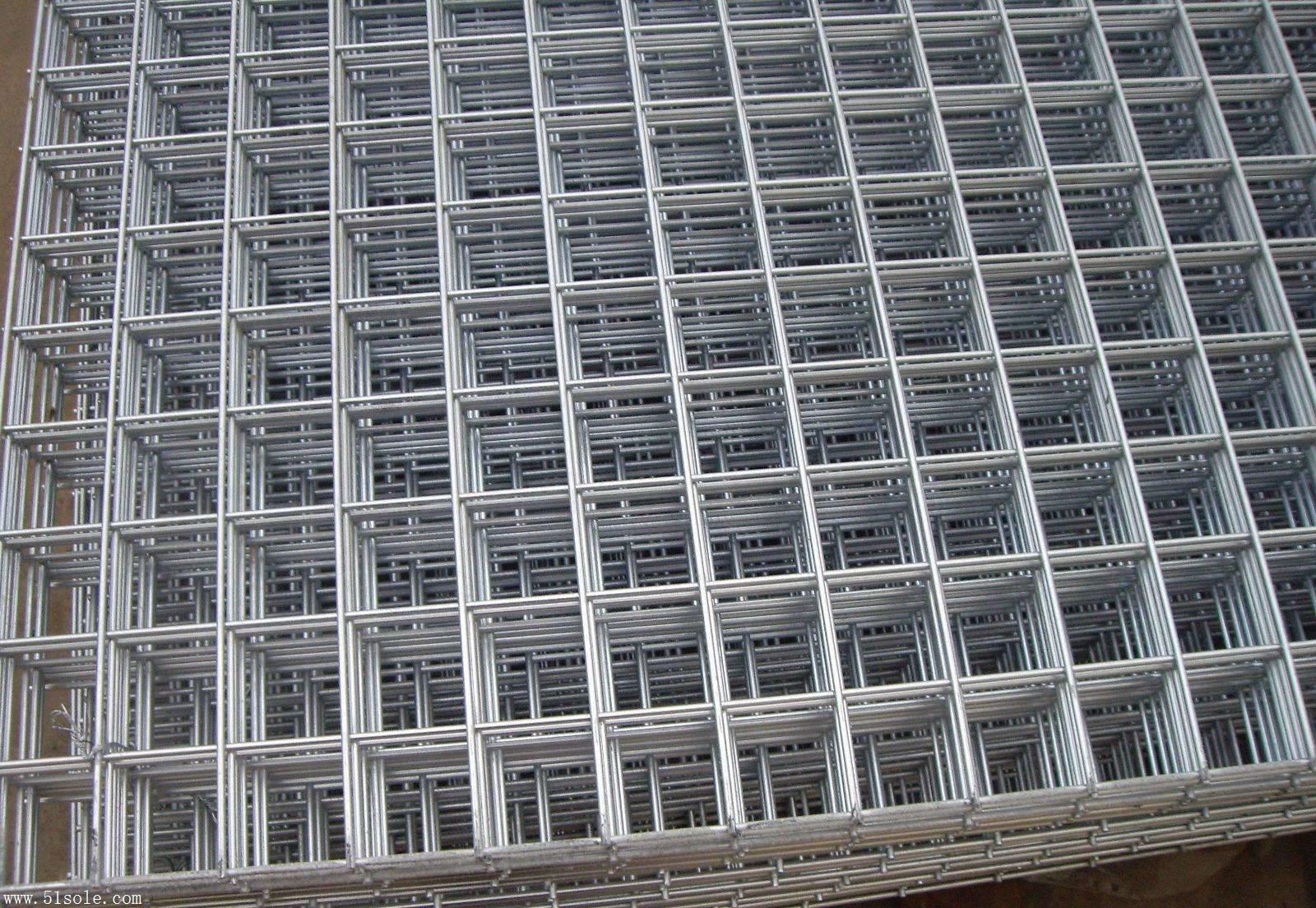

Customized steel mesh for construction sites
Category:
building materials/Special building materials/Special building materials
Model:
01
Brand:
Suicheng Metal
Wire diameter range:
2.3-6.0mm
mesh size:
100/150/200mm
Material:
Q235
welding process:
Resistance welding/automatic welding
Surface Treatment:
Black wire/galvanized/plastic dipping
Application Fields:
Ground reinforcement/Wall crack prevention/Road paving
customized service:
Support size customization
Product Features:
The solder joints are firm/the mesh surface is flat
Retail Price
10,000,000.00USD
重量
kg
- Product Description
-
Wire diameter range 2.3-6.0mm
mesh size 100/150/200mm
Material Q235
welding process Resistance welding/automatic welding
Surface Treatment Black wire/galvanized/plastic dipping
Application Fields Ground reinforcement/Wall crack prevention/Road paving
customized service Support size customization
Product Features The solder joints are firm/the mesh surface is flat
Description :
Steel mesh is a mesh building material made of high-quality low-carbon steel wire or cold drawn steel wire that is crisscrossed and welded by automated welding equipment. It mainly solves the construction pain points of low efficiency, uneven spacing, and loose nodes in traditional manual binding of steel bars, and is widely used in ground reinforcement, wall crack prevention, road paving, and protective fences in construction. This product has the characteristics of firm solder joints, smooth mesh surface, and stable structure, which can effectively improve the overall strength and crack resistance of concrete structures. It is an indispensable basic building material in modern construction engineering and is suitable for various civil buildings, industrial plants, and municipal road projects.
The wire diameter range of this series of steel mesh covers 2.3mm to 6.0mm, and different thickness specifications can be selected according to actual load-bearing needs; The mesh size provides various standard specifications such as 100mm, 150mm, 200mm, etc., to meet the requirements of different spacing of reinforcement. The product is manufactured using resistance welding technology, which has strong shear resistance at the welding points, is not easy to peel off, and has a small error in the flatness of the mesh surface, making it convenient for subsequent concrete pouring construction. The material is usually Q195 or Q235 low-carbon steel wire, and the surface can be galvanized to enhance anti-corrosion and rust prevention capabilities and extend the service life. The execution standards comply with relevant regulations in the construction industry, ensuring stable and reliable mechanical properties of each batch of products, and adapting to the needs of various complex working conditions.
When selecting, the combination of wire diameter and aperture should be determined according to the specific application scenario. The specifications of wire diameter 3.0-4.0mm and aperture 100-150mm are often used for ground reinforcement and floor construction to balance cost and strength; For wall plastering and crack prevention, fine wire diameter (2.3-3.0mm) small aperture mesh is often used to prevent mortar cracking; For heavy road surfaces or large-scale infrastructure construction, high-strength mesh with a coarse wire diameter of 5.0-6.0mm and a large aperture should be selected. If the standard specifications cannot meet the special construction dimensions, it is supported to customize the length and width dimensions as needed to avoid on-site cutting waste. It should be noted that for highly corrosive environments, it is recommended to use hot-dip galvanized or plastic immersed products. For ordinary indoor dry environments, black wire welded mesh can be used to reduce costs.
When installing steel mesh, it should be ensured that the base is flat and clean. The mesh should be laid horizontally, and the overlap length should generally not be less than one grid size. It should be fixed with wire ties or welding to prevent displacement during concrete pouring. In terms of daily maintenance, unused mesh sheets should be stored in a dry and ventilated place to avoid rusting caused by rain and moisture. When stacking, they should be raised off the ground to prevent deformation under pressure at the bottom. If local welding points are found to be detached or severely corroded, they should be repaired or replaced in a timely manner to avoid affecting structural safety. During the construction period, attention should be paid to protecting the mesh surface, avoiding dents caused by heavy objects, ensuring that the thickness of the concrete protective layer meets the design requirements, and thus achieving the best reinforcement effect of the steel mesh.
AfterSalesService :
Key words: