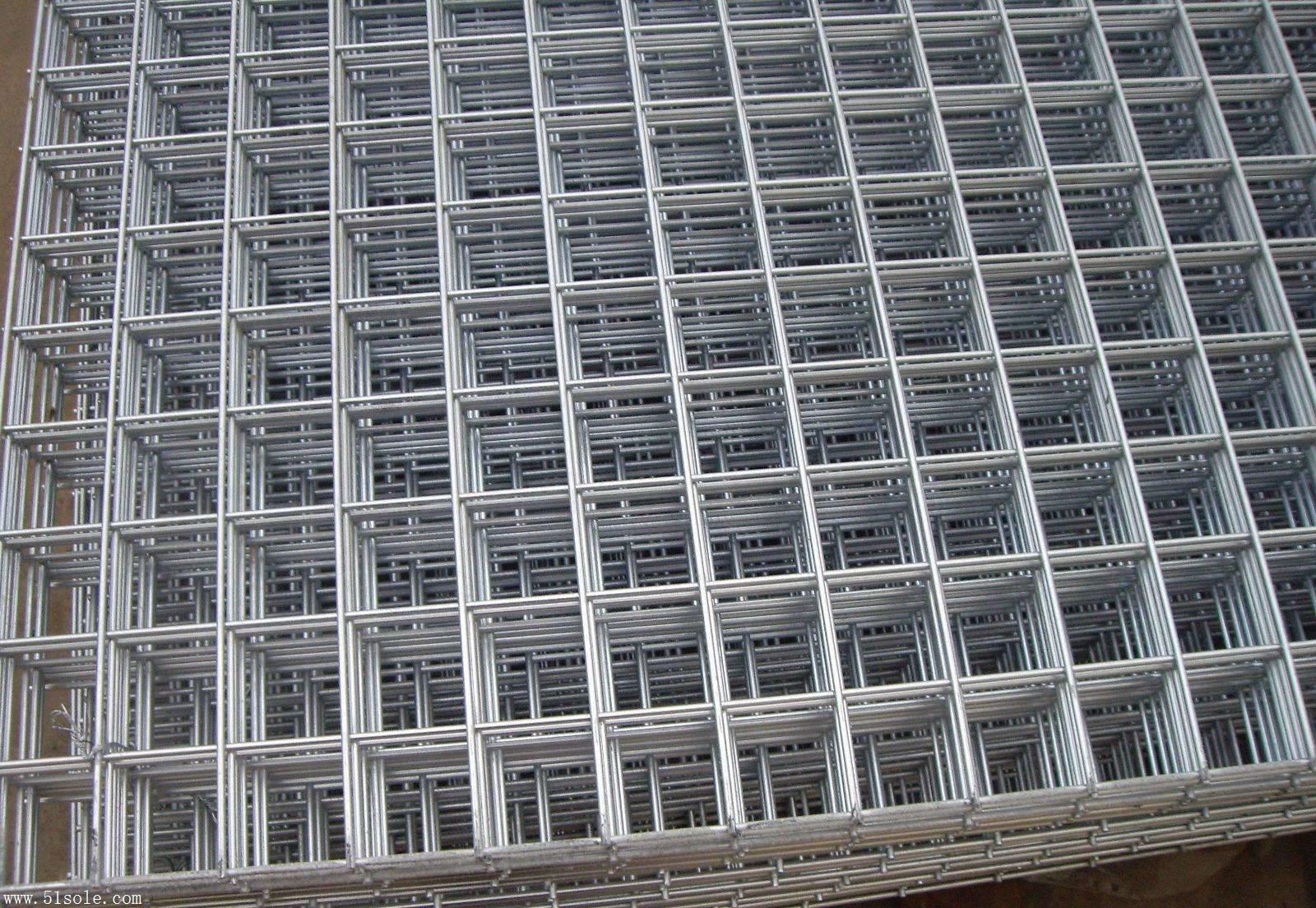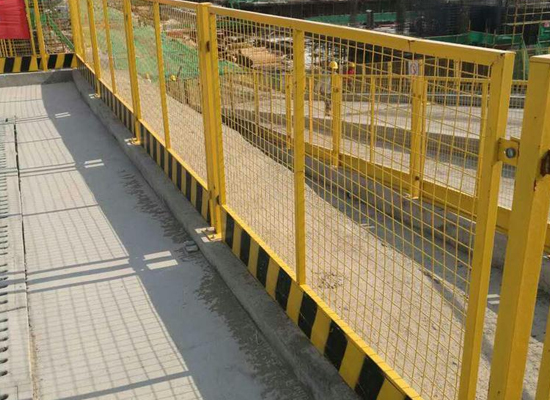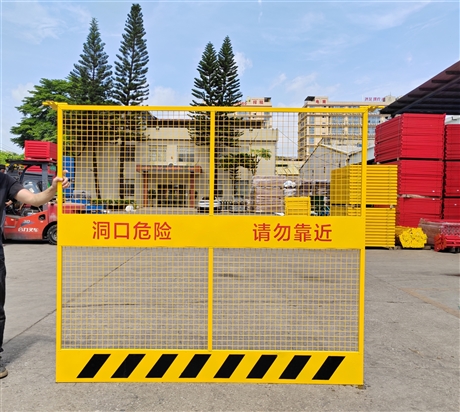

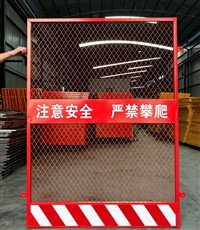
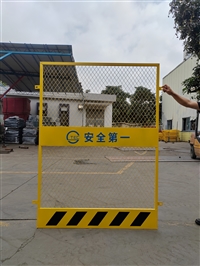
Construction site elevator shaft entrance protective fence, foundation pit edge safety fence, customizable assembled guardrail
Category:
building materials/Building decoration construction/Building guardrails
Model:
01
Brand:
Suicheng
Material:
Q235 square/round tube
Surface Treatment:
Electrostatic spraying/galvanizing
Common height:
1.2m-1.8m
Warning color:
Yellow black/red white alternation
connection method:
Bolt fixation/plug-in assembly
Applicable Scenarios:
Construction site elevator shaft/edge protection
Kickboard height:
≥180mm
Product Features:
Detachable/reusable/strong warning function
Retail Price
10,000,000.00USD
重量
kg
- Product Description
-
Material Q235 square/round tube
Surface Treatment Electrostatic spraying/galvanizing
Common height 1.2m-1.8m
Warning color Yellow black/red white alternation
connection method Bolt fixation/plug-in assembly
Applicable Scenarios Construction site elevator shaft/edge protection
Kickboard height ≥180mm
Product Features Detachable/reusable/strong warning function
Description :
Elevator shaft guardrail is a safety protection facility used in hazardous areas such as elevator shafts and floor edges on construction sites. It mainly solves the risk of falling from heights and ensures the safety of construction personnel. Typical working conditions include elevator shaft openings in construction projects such as high-rise residential buildings, commercial complexes, and industrial plants. This type of product is usually composed of columns, mesh or horizontal bars, forming a stable isolation barrier to prevent personnel or materials from accidentally falling. As an important component of standardized and civilized construction on construction sites, elevator shaft guardrails need to have sufficient strength and stability to cope with the complex working environment on site. Its design must comply with the construction safety inspection standards to ensure that it does not break or collapse when impacted, providing a reliable safety boundary for on-site operations.
In terms of specifications, the height of common elevator shaft guardrails is generally between 1.2 meters and 1.8 meters, and the width can be customized according to the actual size of the shaft. The common single fan width is 1.5 meters or 2 meters. The material is mostly made of Q235 square or round tubes, with a wall thickness usually ranging from 1.0mm to 2.0mm. The surface is treated with electrostatic spraying or hot-dip galvanizing, and the colors are mostly yellow black or red white, serving as a warning. The connection method often adopts bolt fixation or plug-in assembly, which is convenient for quick installation and disassembly. The implementation standards refer to the "Technical Code for Safety of High Altitude Operations in Construction" JGJ80 and the "Safety Inspection Standards for Construction" JGJ59. Some high-end products will be equipped with kickboards with a height of no less than 18cm to prevent small objects from falling and injuring people. The overall structure needs to undergo rust and corrosion prevention treatment to adapt to outdoor storage and construction environments.
When selecting, it is necessary to clarify the specific dimensions (length x width) of the wellhead and the installation method (embedded parts, expansion screws or fasteners for fixation). For turnover projects that require frequent disassembly and assembly, it is recommended to choose standardized elevator shaft guardrails that are assembled and reusable; For long-term fixed protection needs, welding or thicker customized styles can be chosen. Attention should be paid to distinguishing the differences between elevator shaft guardrails and ordinary foundation pit guardrails. The former focuses more on the vertical anti fall ability and the firmness of the combination with the shaft wall. If the size of the wellhead is non-standard, drawings need to be provided in advance for non-standard customization. Not applicable scenarios include finished shafts with installed formal elevator doors, or permanent building decorative fences in non construction areas. When purchasing, attention should be paid to the wall thickness of the pipe and the quality of the welding points, avoiding the use of thin-walled and easily deformed products.
Before installation, it is necessary to clean up the debris around the wellhead and confirm that the fixing points are solid and reliable. When using expansion bolts for fixation, it is necessary to ensure that the drilling depth matches the diameter and that the tightening torque meets the standard; If pre embedded parts are used, they need to be positioned in advance during the civil engineering phase. In daily maintenance, it is necessary to regularly check whether the connecting bolts are loose, whether the welding points are cracked, and whether the surface coating is peeling or rusting. If deformation or damage is found, it should be replaced in a timely manner, and it is strictly prohibited to continue using it after forced correction. When the tower crane lifts materials above the wellhead, attention should be paid to avoiding collision with the guardrail. After the construction is completed, the detachable elevator shaft guardrails should be classified and stacked to avoid deformation due to heavy pressure, so as to facilitate their use in the next project. Keep the warning colors clear and visible, and if necessary, repaint to ensure that the guardrail is always in good working condition.
AfterSalesService :
Key words: