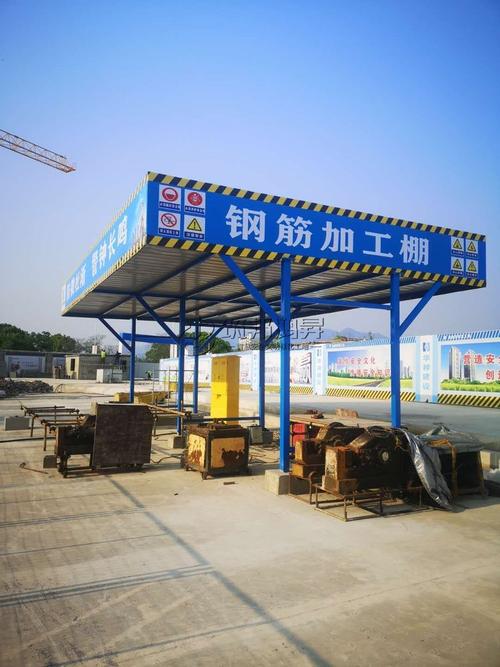

Prefabricated steel processing shed, standardized protective shed, construction site safety passage shed
Category:
building materials/Engineering machinery, construction machinery/Steel bar processing machinery
Model:
01
Brand:
Suicheng Metal
Main structural material:
Q235 square steel
Column specifications:
100*100mm/120*120mm
Ceiling protection form:
Double layer protection/color steel tile
Surface treatment process:
Electrostatic spraying/hot-dip galvanizing
Common length specifications:
6m/9m/12m
Common width specifications:
3m/4.5m/6m
connection method:
Bolt assembly
Applicable Scenarios:
Construction site/bridge construction
Retail Price
10,000,000.00USD
重量
kg
- Product Description
-
Main structural material Q235 square steel
Column specifications 100*100mm/120*120mm
Ceiling protection form Double layer protection/color steel tile
Surface treatment process Electrostatic spraying/hot-dip galvanizing
Common length specifications 6m/9m/12m
Common width specifications 3m/4.5m/6m
connection method Bolt assembly
Applicable Scenarios Construction site/bridge construction
Description :
Steel processing shed is a standardized temporary protective facility used on construction sites for centralized steel cutting, bending, welding and other processing operations. It mainly solves the problems of outdoor operations being greatly affected by weather, high risk of falling objects from high altitude, and disorderly stacking of materials on site, providing a relatively enclosed and safe operating space for construction personnel. Typical working conditions include high-rise residential construction, bridge construction, large factory building construction, and other scenarios that require a large amount of prefabricated steel bars. By building a steel processing shed, it is possible to effectively standardize on-site civilized construction, meet the mandatory safety protection requirements of the safety supervision department, extend the service life of processing equipment, and reduce material loss caused by rainwater corrosion.
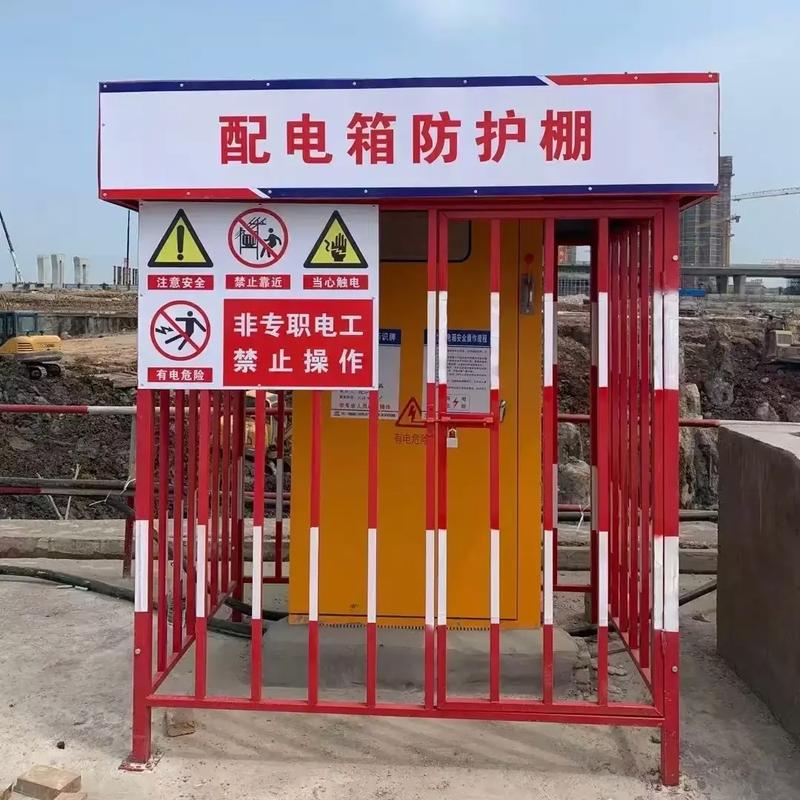
Steel processing sheds usually adopt standardized steel structure design, with main columns mostly made of 100 * 100mm or 120 * 120mm square steel, and crossbeams and truss structures ensuring overall stability. A double-layer protective layer is laid on the top, with a lower layer made of formwork or color steel tiles, and a permanent buffer layer on the upper layer to resist the impact of falling objects from high altitude. Some high-end models are equipped with rainproof eaves. Common sizes include 6 meters long, 9 meters long, 12 meters long, etc. The width is generally between 3 meters and 6 meters, and the height is controlled between 3 meters and 4.5 meters to ensure sufficient internal workspace. The surface is treated with electrostatic spraying or hot-dip galvanizing, which has rust and corrosion prevention capabilities. The colors are mostly red and white or blue and white, which meets visual warning standards. The structural connections are mostly assembled with bolts, making it easy to disassemble and transport repeatedly.
When selecting a steel processing shed, the size specifications should be determined based on the available site size and daily steel processing volume. If the site is narrow, a single span compact design can be chosen; If the processing volume is large and there are many equipment, a double span or multi span continuous row structure should be selected. Attention should be paid to distinguishing between ordinary sunshades and specialized steel processing sheds. The latter must meet the requirements of impact resistance and fire prevention, and the use of flammable materials as ceiling coverings is strictly prohibited. For typhoon prone areas, the wall thickness of columns and the stability of foundation embedded parts shall be mainly investigated, and slant support shall be added if necessary. In addition, it is necessary to confirm whether lighting line interfaces and ventilation windows are reserved to meet the operational needs of night construction or high temperature seasons, in order to avoid blindly pursuing low prices and neglecting structural safety.
Before installing the steel processing shed, it is necessary to level the ground and pour concrete foundation to ensure that the verticality error of the columns is within the allowable range. During use, it is strictly prohibited to stack sundries or hang heavy objects on the roof of the shed. Regularly check whether the connecting bolts are loose, especially after heavy storms. Daily maintenance includes cleaning up accumulated water and debris on the top to prevent structural deformation caused by poor drainage, and timely repainting of damaged paint surfaces to prevent rust and corrosion. Common faults such as roof leakage are often caused by aging sealant at the lap joint, and the sealing strip needs to be replaced regularly; If the column is found to be tilted, the operation should be stopped immediately and the reinforcement should be recalibrated to ensure that the entire steel processing shed remains stable and reliable throughout its service life, ensuring the safety of personnel and equipment.
AfterSalesService :
Key words: