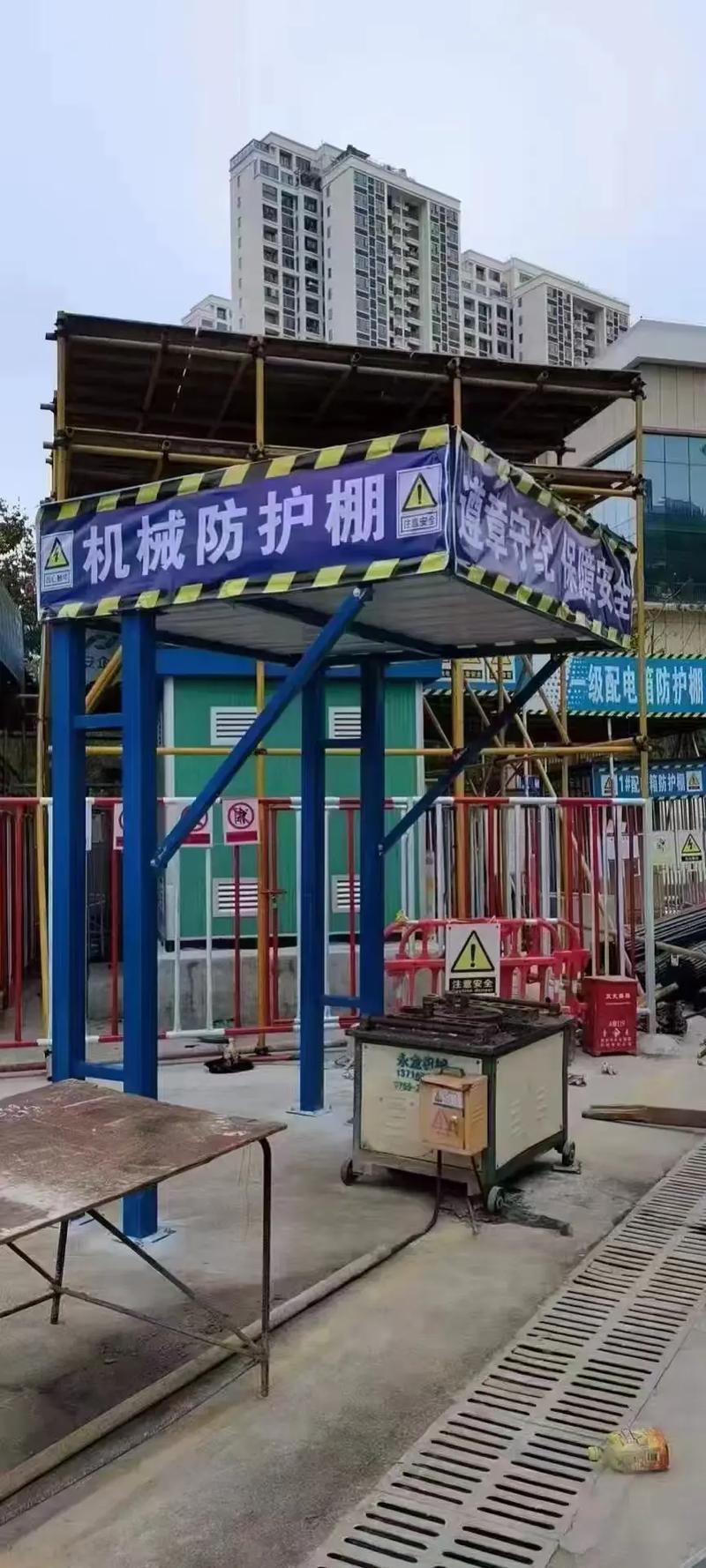

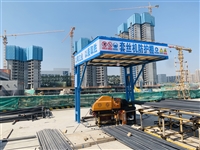
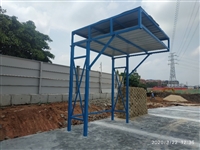
Simple small mechanical shed, outdoor equipment, sunshade and rain shelter, steel structure movable work shed
Category:
building materials/Roof material/Awning
Model:
01
Brand:
Suicheng
main structure:
Q235B steel pipe/C-shaped steel
Top material:
Color steel profiled plate
Column wall thickness:
1.5mm-2.5mm
Surface Treatment:
Electrostatic spraying/galvanizing
connection method:
Bolt assembly/welding
Applicable span:
6m-15m
drainage method:
Organized gutter drainage
wind resistance rating:
Level 8-10
Installation cycle:
3-7 days
Retail Price
10,000,000.00USD
重量
kg
- Product Description
-
main structure Q235B steel pipe/C-shaped steel
Top material Color steel profiled plate
Column wall thickness 1.5mm-2.5mm
Surface Treatment Electrostatic spraying/galvanizing
connection method Bolt assembly/welding
Applicable span 6m-15m
drainage method Organized gutter drainage
wind resistance rating Level 8-10
Installation cycle 3-7 days
Description :
A small mechanical shed is a temporary or semi permanent building structure designed specifically to protect small and medium-sized mechanical equipment, vehicles, or materials. It mainly solves the problems of equipment corrosion, aging, and exposure to sunlight and rain caused by outdoor storage, and is suitable for working conditions such as construction sites, factory areas, farms, and logistics transfer stations. This category usually uses light steel structure as the skeleton, combined with color steel tiles or tarpaulins as the enclosure material, which has the characteristics of fast construction, controllable cost, and high space utilization. Small mechanical sheds can not only effectively extend the service life of mechanical equipment, but also provide shelter space for daily maintenance and repair. They are the infrastructure for optimizing asset management in various enterprises and institutions.
In terms of specifications and processes, Q235B high-frequency welded steel pipes or C-shaped steel are commonly used for the main frame of small mechanical sheds. The common specifications for column sections are 75mm * 75mm or 100mm * 100mm, with wall thicknesses typically between 1.5mm and 2.5mm to ensure the stability and wind resistance of the overall structure. The top covering material often uses color steel profiled plates with a thickness of 0.3mm-0.5mm, and some models support the installation of insulation layers. The connection methods are mostly bolt assembly or on-site welding, and the surface is treated with rust removal and electrostatic spraying to enhance corrosion resistance. According to the standard reference "Technical Specification for Steel Structures of Light duty Buildings with Gabled Frames", conventional design needs to meet local basic wind pressure and snow load requirements to ensure structural safety in adverse weather conditions.
When selecting, it is important to consider the wind load, snow load, and equipment size of the usage scenario. For areas with strong wind, it is recommended to select truss structure or add small mechanical shed strengthened by slant support; If long-term fixed use is required, it is recommended to use concrete foundation embedded parts connection instead of simple expansion screw fixation. Compared with large steel structure factories, small mechanical sheds pay more attention to flexibility and economy, and are suitable for space needs with spans between 6 meters and 15 meters. If storing precision instruments, it is recommended to choose enclosed walls and rolling shutter doors around the perimeter; If only used for shielding large agricultural or construction machinery, a three sided open or single slope drainage design can be chosen to facilitate ventilation, heat dissipation, and vehicle entry and exit.
Before installing a small mechanical shed, it is necessary to level the site and confirm that there is no pipeline interference underground. The foundation levelness error should be controlled within 5mm. In daily maintenance, it is necessary to regularly check whether the column base is corroded or loose, whether the self tapping nails of the roof color steel tiles have fallen off, and whether the drainage gutter is blocked. Before typhoon or rainstorm season, it is recommended to check the fastening of the overall structure. Common faults include roof leakage and structural shaking. The former is often caused by aging sealant or misalignment of lap joints, and requires timely repair of sealant or replacement of gaskets; The latter usually originates from loose connection nodes and requires re tightening of bolts. The reasonable service life can reach more than 10 years, and regular anti-corrosion maintenance can further extend the service life.
AfterSalesService :
Key words: