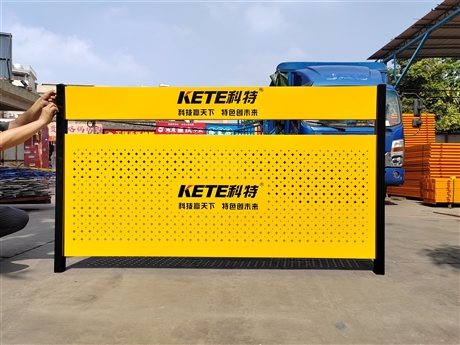

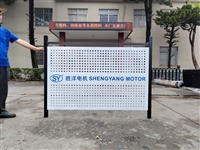

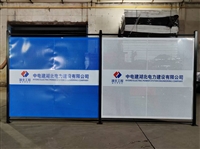
Workshop punching fence, metal isolation net, factory area division, protective fence
Category:
building materials/Construction materials/Construction enclosure
Model:
01
Brand:
Suicheng Metal
Material:
Cold rolled steel sheet/galvanized sheet
Surface Treatment:
electrostatic powder coating
plate thickness:
0.8-1.5mm
aperture:
5-10mm
Column specifications:
40 * 40mm square tube
Common height:
1.5-2.5 meters
color:
Blue/White/Yellow
connection method:
Screw/buckle fixation
Retail Price
10,000,000.00USD
重量
kg
- Product Description
-
Material Cold rolled steel sheet/galvanized sheet
Surface Treatment electrostatic powder coating
plate thickness 0.8-1.5mm
aperture 5-10mm
Column specifications 40 * 40mm square tube
Common height 1.5-2.5 meters
color Blue/White/Yellow
connection method Screw/buckle fixation
Description :
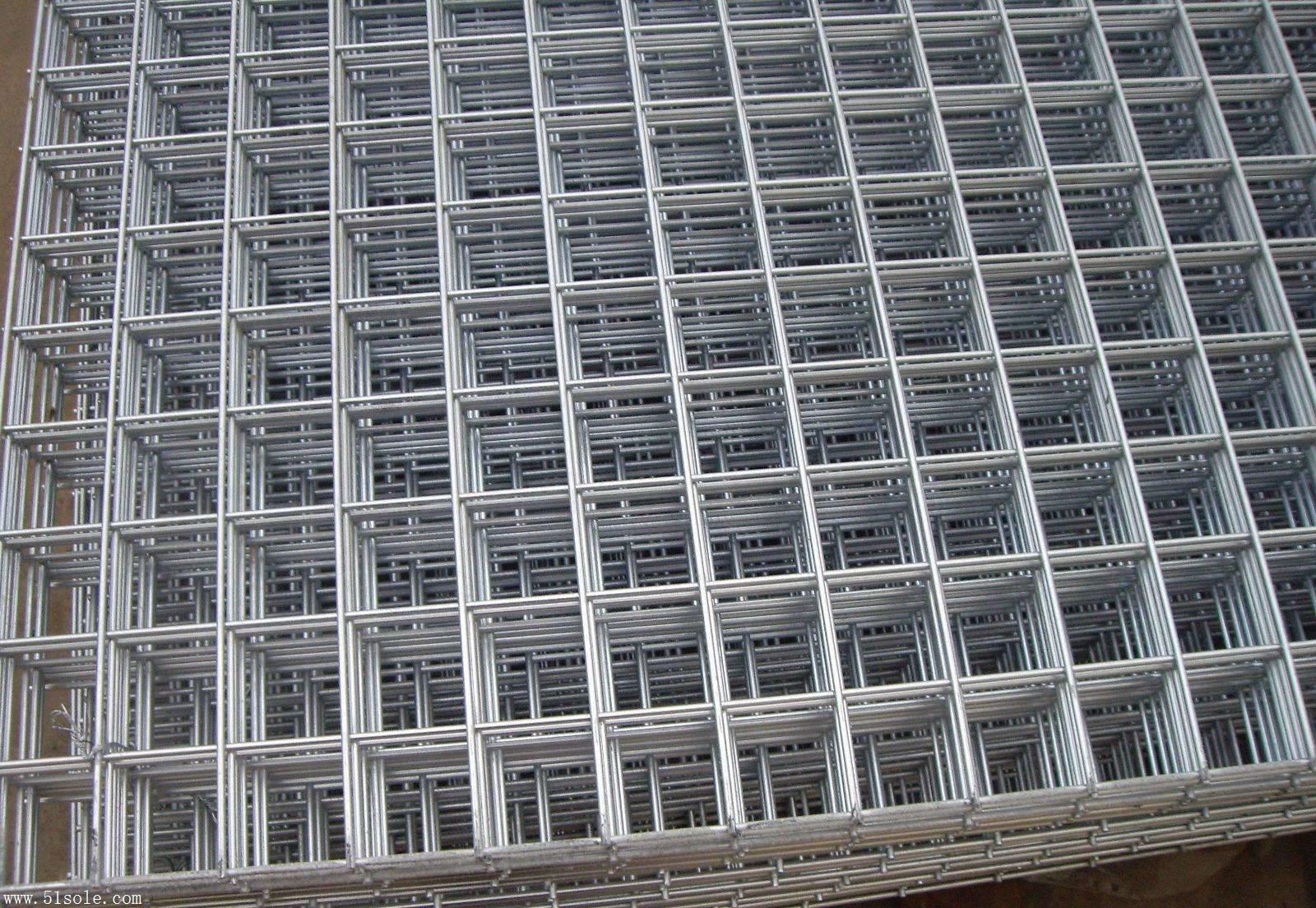
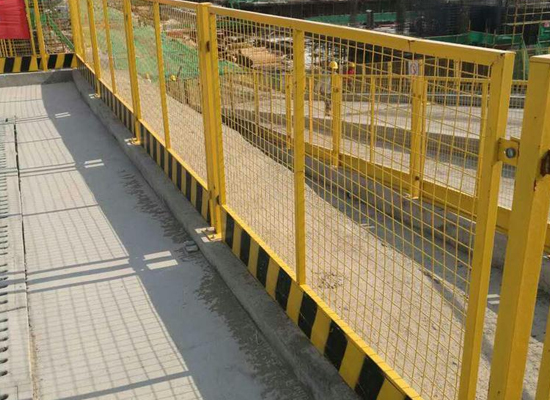
Workshop punching fence is a metal isolation facility specifically designed for dividing the internal areas of industrial plants, mainly to solve the problems of disorderly production sites, mixed flow of people and logistics, and safety hazards. It is made by punching high-strength metal sheets, with good transparency and visual warning function. Typical working conditions include mechanical processing workshops, assembly lines, storage area isolation, and safety protection rings around equipment. This product not only effectively isolates hazardous areas physically, but also maintains air circulation and light penetration in the workshop, avoiding the oppressive feeling caused by traditional physical walls. It is the basic hardware infrastructure for modern factory 5S management and visual management, and is suitable for various industrial scenarios that require clear boundary management.
The punching enclosure is usually made of high-quality cold-rolled steel or galvanized steel as raw materials, and the surface is treated with electrostatic spraying or immersion to enhance corrosion resistance and aesthetics. The common aperture is a circular hole, with a diameter range of 5mm to 10mm. The hole spacing can be adjusted according to needs, ensuring both structural strength and light and air permeability. The thickness of standard plates is mostly in the range of 0.8mm to 1.5mm, and columns are mostly made of 40 * 40mm or 50 * 50mm square tubes with a wall thickness of 1.2mm or more to ensure the stability of the overall structure. The implementation standard refers to the general specifications for metal fences used in construction. The surface coating has strong adhesion, acid and alkali resistance, moisture resistance, and is suitable for complex environments such as oil stains and dust that may exist in the workshop. The conventional colors are blue, white, or yellow, which meet the requirements of industrial safety color codes.
When selecting, the size of the enclosure should be determined based on the actual height and safety level of the workshop. Generally, the height is between 1.5 meters and 2.5 meters. If high-risk equipment isolation is involved, it is recommended to install top bending or grid densification treatment. Compared to barbed wire fences, perforated fences have a more cohesive and aesthetic feel, and are less prone to deformation; Compared with solid brick walls, it is flexible to install, detachable and reusable, and does not occupy too much space. Not suitable for scenarios that require complete sound insulation or absolute visual shielding, solid partitions should be considered in such cases. When purchasing, attention should be paid to the spacing between columns, usually between 2 and 3 meters. If it is too wide, it will cause the panel to shake, and if it is too dense, it will increase costs. For areas with forklift access, reinforcing ribs or anti-collision foot cups should be installed at the bottom to prevent accidental collisions from causing tipping.
When installing the punching enclosure in the workshop, the ground needs to be leveled first, and the column base should be fixed with expansion screws to ensure verticality and levelness. The panel should be fixed in the column groove with buckles or screws, and the connection should be tight without looseness. Daily maintenance mainly involves regularly cleaning surface dust and oil stains, checking for loose connections, especially fasteners near areas of frequent vibration. If the surface coating is found to be damaged, it should be repainted in a timely manner to prevent the spread of rust. The typical service life can reach 5-10 years, depending on the degree of environmental corrosion and maintenance frequency. Common faults include panel depression and column tilt, which are often caused by external impact. When repairing, damaged panels can be replaced separately without the need for overall dismantling. The maintenance cost is low and convenient, ensuring continuous safety protection.
AfterSalesService :
Key words: