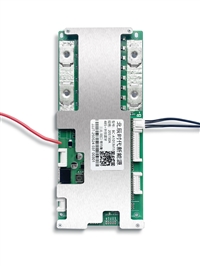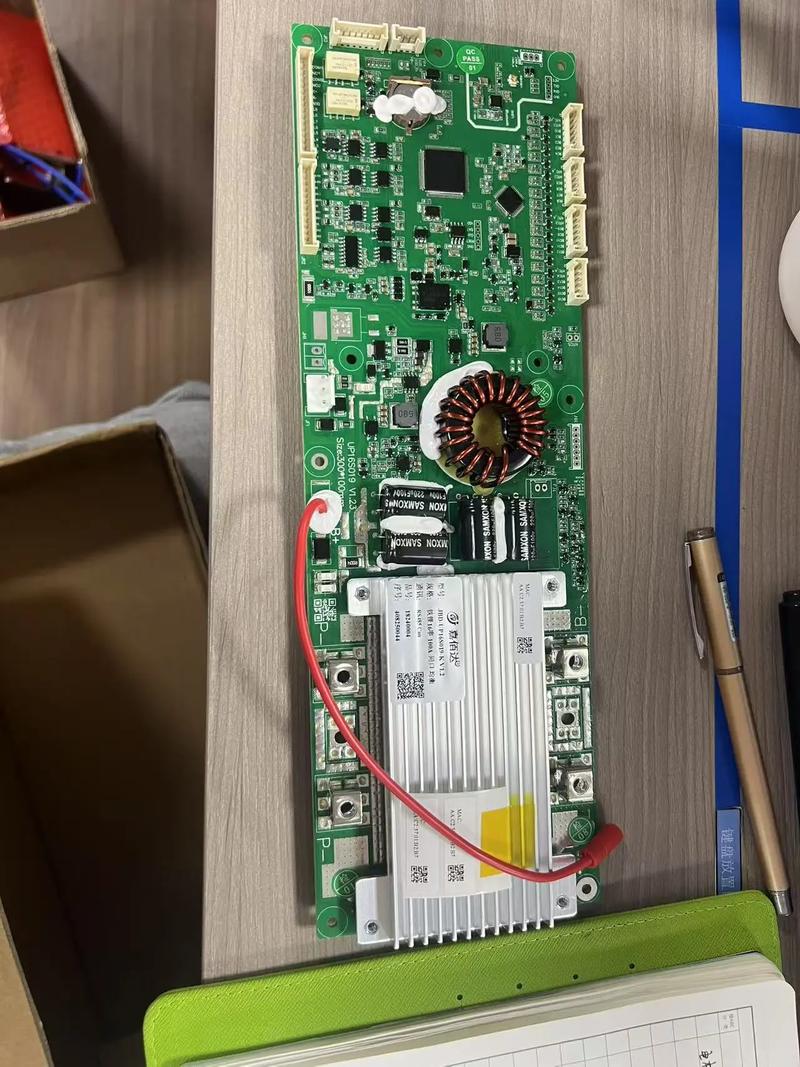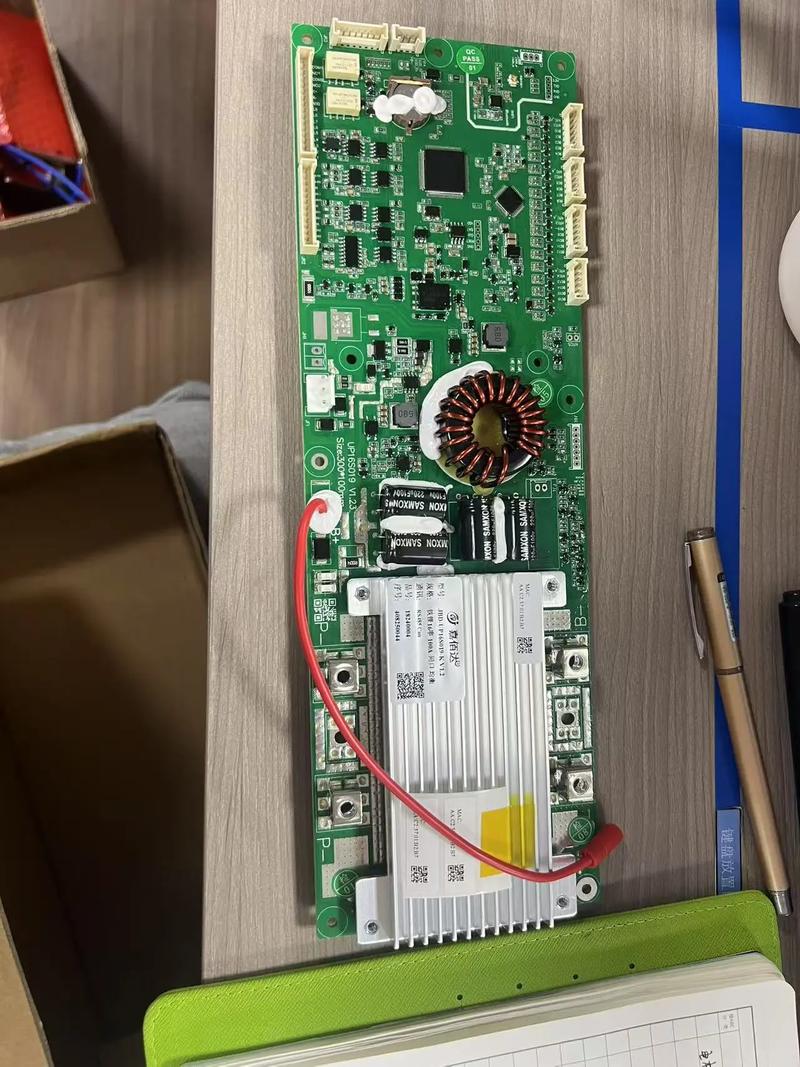

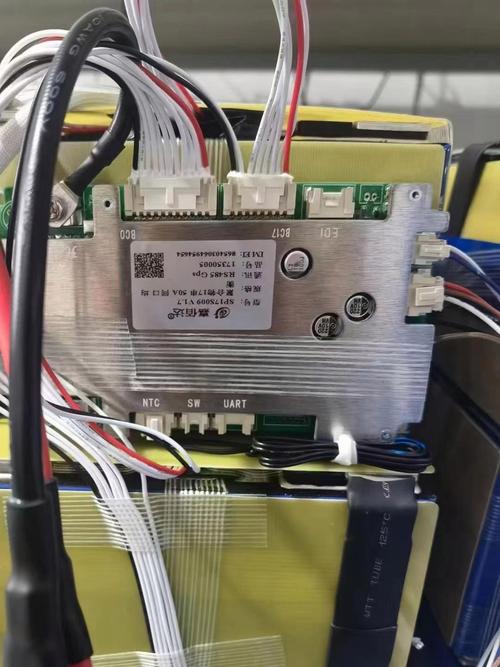
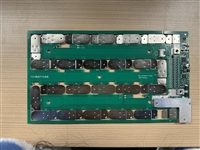
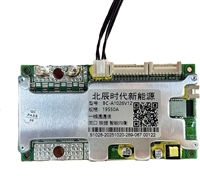
48V lithium battery BMS protection board supports lead to lithium Bluetooth communication customization
Category:
Electrical Engineering/battery/lithium battery
Model:
BC-1020
Brand:
Figo
Applicable battery types:
Lithium iron phosphate/ternary lithium
Rated voltage:
12V 24V 36V 48V 60V 72V 96V
functional type:
Battery Swap/Lead to Lithium/Bluetooth/Home Storage
Communication Methods:
Bluetooth/UART/CAN/485/1-wire communication
Protection function:
Overcharge/overdischarge/overcurrent/short circuit/temperature control
Balanced approach:
passive balancing
Operating temperature:
-20℃~60℃
brand:
Figo
Retail Price
10,000,000.00USD
重量
kg
- Product Description
-
Applicable battery types Lithium iron phosphate/ternary lithium
Rated voltage 12V 24V 36V 48V 60V 72V 96V
functional type Battery Swap/Lead to Lithium/Bluetooth/Home Storage
Communication Methods Bluetooth/UART/CAN/485/1-wire communication
Protection function Overcharge/overdischarge/overcurrent/short circuit/temperature control
Balanced approach passive balancing
Operating temperature -20℃~60℃
brand Figo
Description :
The lithium battery protection board is the core component of the battery management system (BMS), mainly used to monitor and manage the charging and discharging process of the lithium battery pack, prevent overcharging, overdischarging, overcurrent, and short circuit, thereby extending the battery life and ensuring safe use. This product covers various types such as battery swapping protection boards, lead-acid to lithium battery specific protection boards, intelligent protection boards with Bluetooth communication function, and standard 48V household energy storage protection boards. It is suitable for electric bicycle battery swapping cabinets, upgrading old lead-acid battery vehicles, home energy storage systems, and various customized lithium battery pack scenarios, solving the pain points of traditional battery management, low safety, and data invisibility.
This series of lithium battery protection boards adopts high-precision acquisition chips and low-power MOSFET solutions, supporting voltage balancing and current control of multiple string lithium battery packs (commonly corresponding to 48V systems such as 13 string/14 string/16 string). The implementation standard complies with GB/T 34131-2017 "Technical Specification for Lithium ion Battery Management System for Electrochemical Energy Storage Power Station" and relevant industry safety regulations. Equipped with multiple protection mechanisms such as overvoltage protection, undervoltage protection, charging overcurrent protection, discharging overcurrent protection, short circuit protection, and temperature protection. The Bluetooth protection board version supports mobile app connection, allowing real-time viewing of individual voltage, total voltage, current, remaining battery life, and historical fault records, facilitating remote monitoring and maintenance by users.
When selecting, different versions should be distinguished based on actual application scenarios: the battery protection board focuses on high rate discharge capability and communication protocol matching (such as UART/CAN), suitable for shared battery swapping scenarios with high-frequency charging and discharging; The lead to lithium protection board has built-in boost or compatibility logic, which can directly replace the original lead-acid battery interface without changing the charger and circuit, making it suitable for retrofitting old cars; The standard 48V home storage protection board focuses on long-term floating stability and balance effect, and is suitable for home photovoltaic energy storage or backup power supply; If the existing models cannot meet the special size, communication protocol, or protection threshold requirements, customized services can be chosen to provide targeted BMS solutions, but attention should be paid to the customization cycle and minimum order quantity limitations.
When installing the lithium battery protection board, it is necessary to first connect the wiring (collection line) and then connect the main circuit to ensure the correct wiring sequence and avoid reverse connection and burning out the circuit board. The wiring terminals should be tightened without looseness, and it is recommended to use copper wires with sufficient wire diameter for high current paths to reduce heat generation. In daily use, it is recommended to regularly check whether there are burn marks on the appearance of the protective board, and confirm the balance of the battery pack through Bluetooth APP or indicator light status. If there is an inability to charge, discharge or APP connection failure, the sampling line should first be checked for open circuit, MOS tube breakdown or fuse blown. Keep the protective board dry and ventilated, avoid long-term work in high temperature and high humidity environments, to ensure continuous and stable operation.
AfterSalesService :
Key words:
More Products