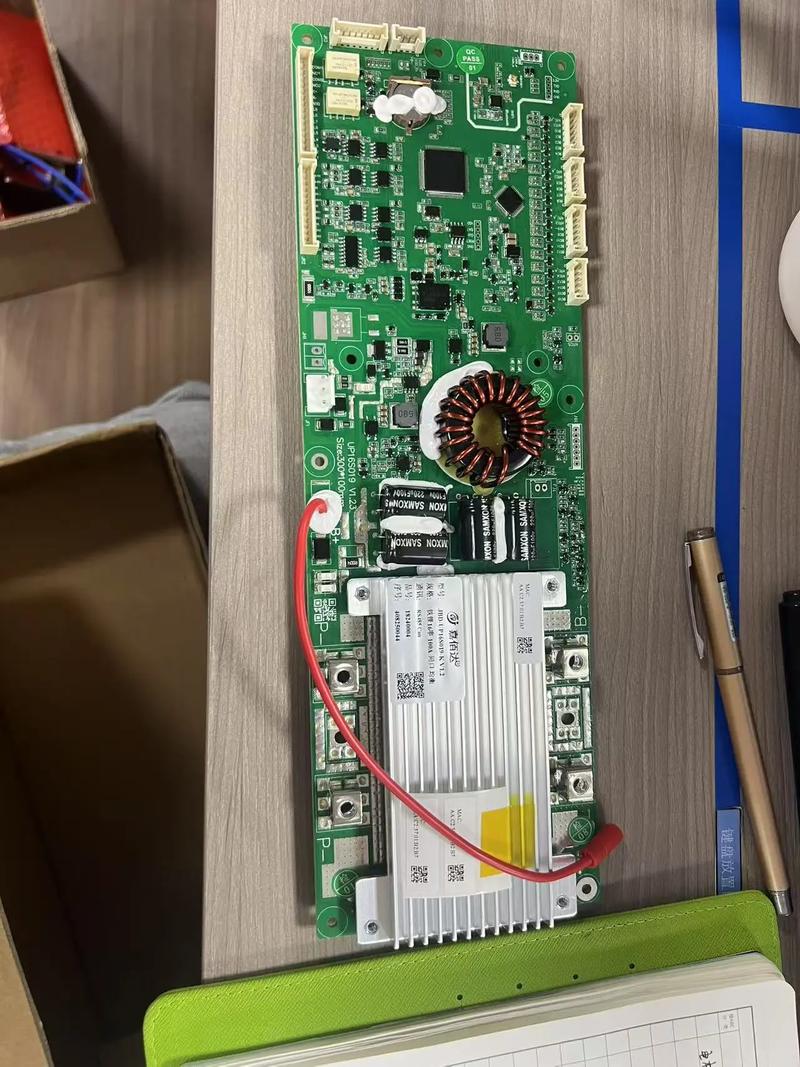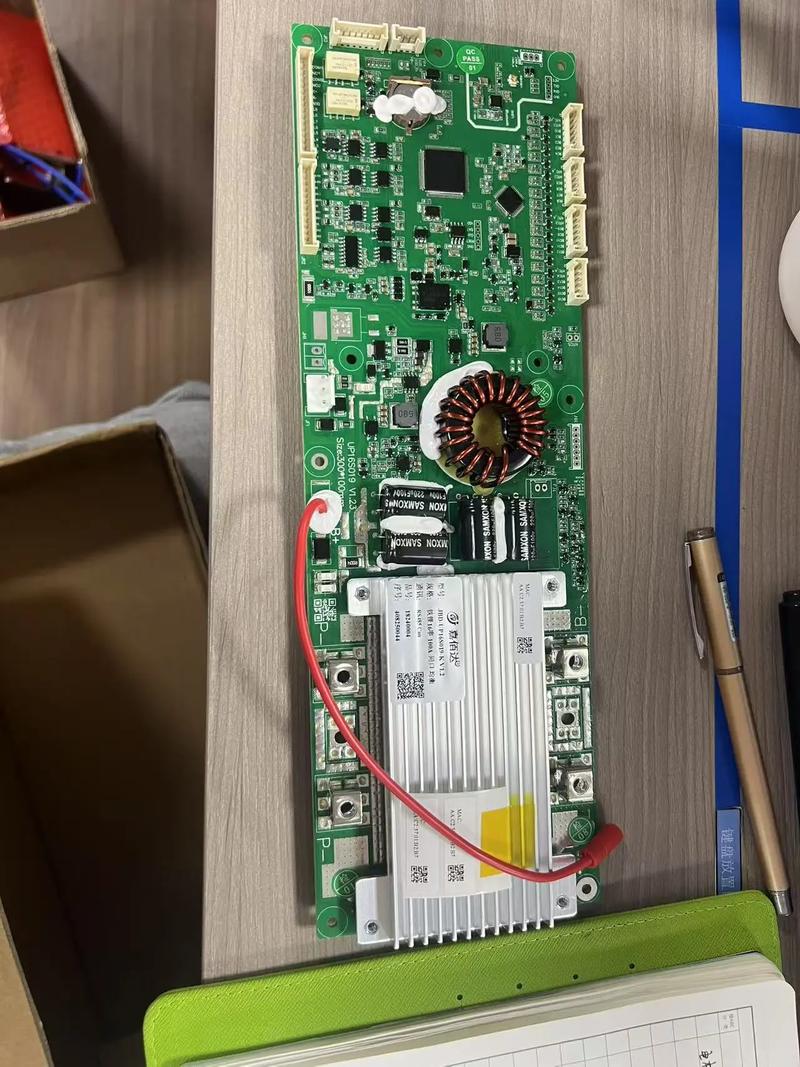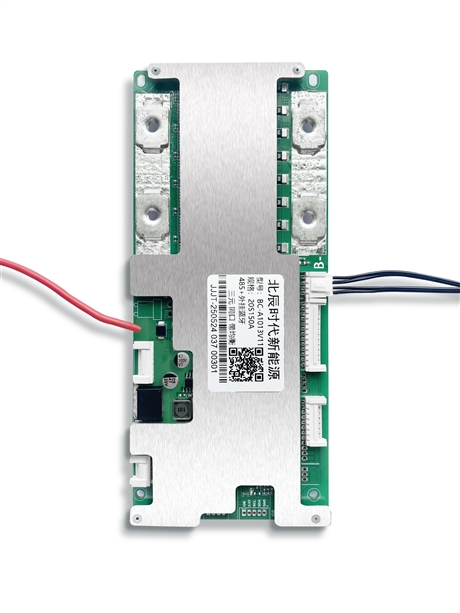

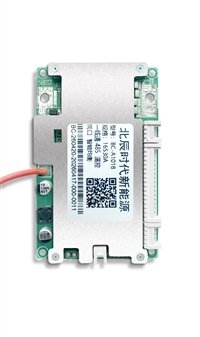
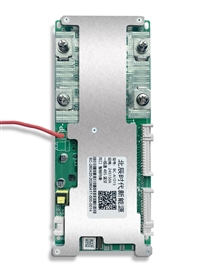
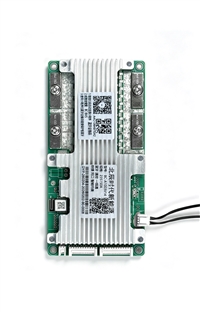
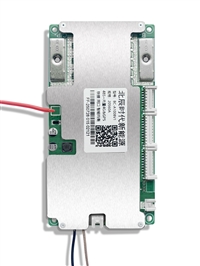
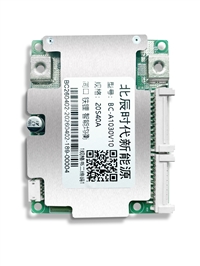
Two wheeled three wheeled electric vehicle lithium battery intelligent BMS protection board Bluetooth battery swapping
Category:
Electrical Engineering/battery/lithium battery
Model:
BC-1003 series
Brand:
Beichen Era
Applicable battery types:
Lithium iron phosphate/ternary lithium/sodium battery
communication method:
Bluetooth/RS485/CAN/One Wire Communication/4G Module
Main functions:
Overcharge, over discharge, current short circuit protection
Application Scenarios:
Two wheeler/tricycle/battery swapping cabinet/offline Bluetooth battery swapping
customized service:
Support customized BMS solutions
Type of renovation:
Lead acid to lithium battery dedicated
user group:
Commercial B-end/Civil C-end
Retail Price
10,000,000.00USD
重量
kg
- Product Description
-
Applicable battery types Lithium iron phosphate/ternary lithium/sodium battery
communication method Bluetooth/RS485/CAN/One Wire Communication/4G Module
Main functions Overcharge, over discharge, current short circuit protection
Application Scenarios Two wheeler/tricycle/battery swapping cabinet/offline Bluetooth battery swapping
customized service Support customized BMS solutions
Type of renovation Lead acid to lithium battery dedicated
user group Commercial B-end/Civil C-end
Description :
Lithium battery protection board is a core battery management system component used in two wheeled electric vehicles, three wheeled vehicles, and battery swapping cabinets. It mainly solves the problems of overcharging, overdischarging, overcurrent, and short circuit protection during the charging and discharging process of lithium batteries, ensuring the safe operation of battery packs and extending their service life. This type of product is widely used in lead-acid to lithium battery upgrades, commercial B-end battery swapping operations, and daily civilian C-end cycling scenarios. By real-time monitoring of battery cell voltage and temperature, precise control of battery status is achieved, which is a key component to ensure the safety of electric travel.
This series of protection boards supports multiple communication protocols and hardware interfaces, with common specifications covering different voltage platforms such as 3 to 24 strings. The continuous current range is from 30A to over 100A, meeting the needs of high-power motor driving. The product integrates a Bluetooth module and supports mobile app connection to view battery SOC, SOH, and historical data, making it easy for operation and maintenance personnel to remotely monitor. The implementation standards comply with relevant specifications such as GB/T 36972 for lithium-ion batteries for electric bicycles, and have process certifications such as high-temperature aging testing and salt spray testing. The PCB board is made of flame-retardant materials, and industrial grade automotive grade chips are used for components to ensure stability under harsh working conditions such as vibration and humidity.
When selecting, it is necessary to clarify the number of series connections of the battery pack (such as 13, 16, 20, etc.) and the maximum continuous operating current, and distinguish the logical differences between lead to lithium special boards and ordinary lithium boards. The former needs to be compatible with the original car charger signal or have a specific wake-up mechanism. For commercial battery swapping scenarios, a BMS that supports RS485/CAN communication should be selected to interface with the backend of the battery swapping cabinet; For civilian scenarios, priority should be given to versions with Bluetooth functionality for users to self check. If the original battery is modified with a lead-acid structure, attention should be paid to the matching of installation space dimensions and terminal types to avoid physical interference or electrical incompatibility caused by direct replacement.
Before installation, it is necessary to confirm the wiring sequence. Connect the ribbon cable first and then the main circuit. Live operation is strictly prohibited to prevent short circuit and burning of MOS tubes. It is recommended to regularly check the appearance of the protective board for burn marks and loose connecting wires during daily use, and calibrate the battery display through the APP to eliminate accumulated errors. Common faults include inability to charge, discharge, or Bluetooth connection failure, usually caused by wiring errors, excessive cell voltage differences, or communication module interference. When troubleshooting, priority should be given to measuring the voltage balance of each string of cells. Keeping the surface of the protective board clean and dry, avoiding direct erosion of the circuit board area by mud and water, can effectively reduce the failure rate.
AfterSalesService :
12-24月质保,24小时响应Key words:
More Products