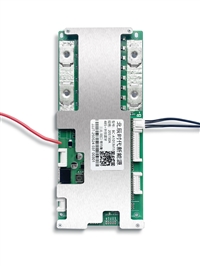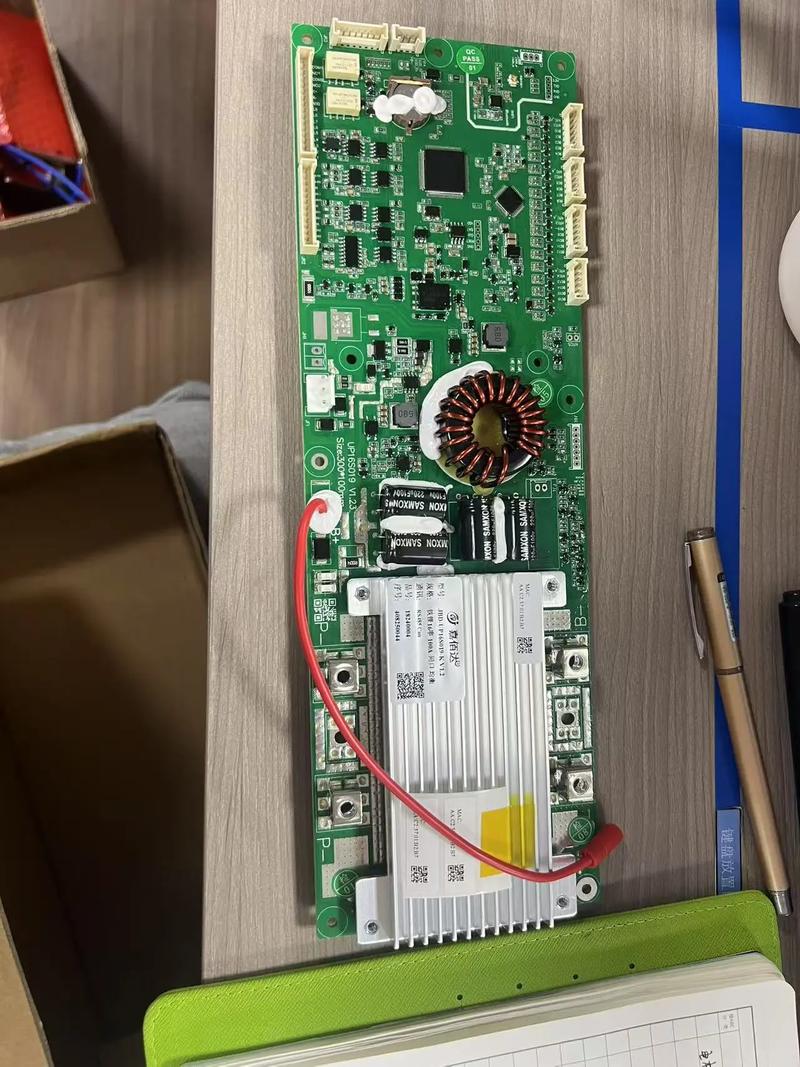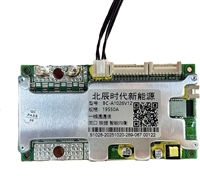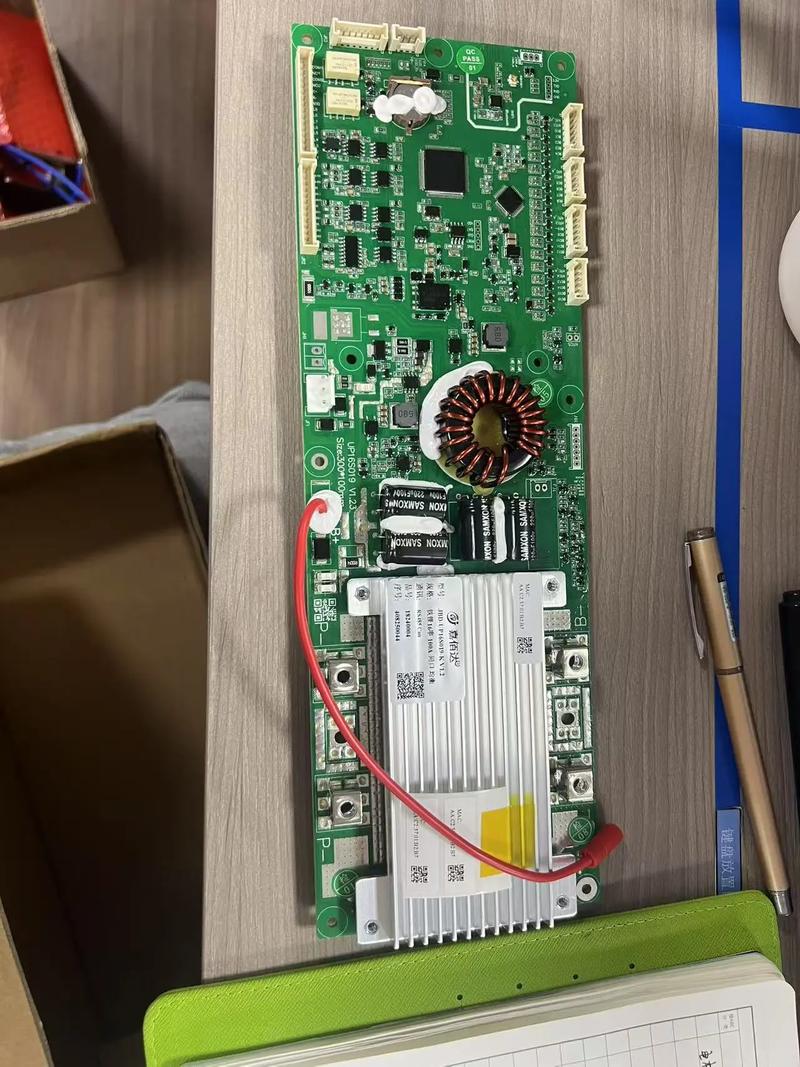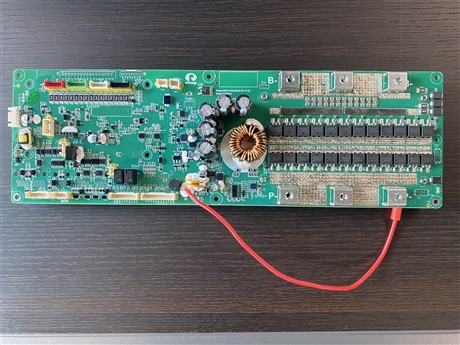

Home Storage 48100 and 48200 Standard Protective Plates
Category:
Electrical Engineering/battery/lithium battery
Model:
BC-J1001
Brand:
Beichen Era
Applicable battery types:
Lithium iron phosphate/ternary lithium
communication method:
Bluetooth/UART
Voltage sampling accuracy:
±5mV
Working temperature range:
-20℃~60℃
Protection rating:
IP65 (after coating)
Balanced approach:
passive balancing
Application Scenarios:
Two wheeled/three wheeled/battery swapping cabinet
customized service:
Support customized BMS solutions
Retail Price
10,000,000.00USD
重量
kg
- Product Description
-
Applicable battery types Lithium iron phosphate/ternary lithium
communication method Bluetooth/UART
Voltage sampling accuracy ±5mV
Working temperature range -20℃~60℃
Protection rating IP65 (after coating)
Balanced approach passive balancing
Application Scenarios Two wheeled/three wheeled/battery swapping cabinet
customized service Support customized BMS solutions
Description :
The lithium battery protection board is the core control unit of the battery pack for electric two wheelers and three wheelers, mainly solving safety problems such as overcharging, overdischarging, short circuit, and abnormal temperature, and extending the service life of the battery. This product is widely used in lead-acid to lithium battery upgrade scenarios, as well as in battery management systems for commercial B-end battery swapping cabinets and civilian C-end personal vehicles. Real time monitoring of battery cell voltage and current status to ensure stable operation of the battery pack under complex working conditions is a key component in building efficient and safe power battery systems, suitable for various lithium battery applications that require precise power management and safety protection.
This series of products supports multiple communication protocols and hardware interfaces, with typical specifications covering mainstream voltage platforms such as 48V, 60V, 72V, etc. The continuous current can be customized according to the cell configuration, with a common range from 30A to 100A or more. Equipped with a high-precision AFE chip, the voltage sampling accuracy can reach ± 5mV, and it has Bluetooth communication function, making it easy to read parameters, upgrade firmware, and diagnose faults through a mobile app. The execution standard complies with relevant specifications such as GB/T 36972 for lithium-ion batteries used in electric bicycles. It has passed EMC electromagnetic compatibility testing and high and low temperature aging testing to ensure normal operation in ambient temperatures ranging from -20 ℃ to 60 ℃. The PCB board is made of flame-retardant materials and meets UL94-V0 grade.
When selecting, it is necessary to clarify the number of battery strings (such as 13 strings, 16 strings, 20 strings, etc.) and the maximum continuous operating current, and distinguish the interface differences between the lead to lithium special version and the native lithium battery version. For commercial battery swapping scenarios, it is necessary to choose a B-end dedicated board that supports Bluetooth battery swapping protocol, has remote locking and identity authentication functions; In civilian scenarios, emphasis is placed on cost-effectiveness and basic protection functions. If the original car is modified with lead-acid batteries, it is necessary to confirm whether the protective board has anti reverse connection and wide voltage starting functions to avoid mismatch with the original charger or controller. The pin definitions may vary between different models. Before replacement, it is necessary to check the line sequence diagram. It is strictly prohibited to directly mix different brands or specifications of protective boards.
Before installation, it is necessary to check the consistency of the battery cells to ensure that the voltage difference is within the allowable range (usually less than 0.05V). When wiring, connect the busbar first and then the main positive and negative poles to prevent spark erosion of the interface. In daily use, it is advisable to avoid prolonged exposure of the battery to extreme high temperatures or humidity. Regularly check the voltage balance of individual cells through the Bluetooth app. If the vehicle is found to be unable to charge or the power output is interrupted, first check whether the protection board has entered the protection state, which can be restored through reset operation or charging activation. Common faults include false positive overvoltage/undervoltage caused by virtual connection of sampling lines. It is necessary to regularly check the tightness of the connection points, keep the surface of the circuit board clean and dry, and prevent dust accumulation from causing short circuits.
AfterSalesService :
Key words:
More Products